
Recovering From Wildfires: Steps for Communities and Individuals Post-Disaster
By Space Coast Daily // November 20, 2023

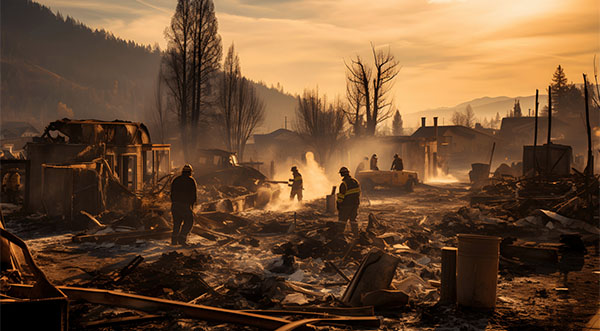
Wildfires wreak havoc, leaving behind a trail of destruction that profoundly impacts both communities and individuals.
As communities grapple with the aftermath, the urgency of strategic planning, infrastructural rebuilding, and fostering support systems becomes apparent.
Recovering from such a disaster involves a multifaceted approach that requires collective and individual action. Authorities, communities, and individuals must navigate the daunting task of moving forward. But they don’t necessarily have to start from scratch.
In this article, we’ll discuss the steps involved in post-wildfire recovery, offering a roadmap toward rebuilding lives and communities amidst the devastation.
- Assessment and Planning
Comprehensive assessments encompass evaluating structural damage, environmental impact, and the socio-economic fallout. For instance, a report from Moody’s Analytics estimates that the Maui wildfires—the worst in more than a century—resulted in at least USD$ 4 billion in losses from property damage and business disruptions.
Post-disaster assessment and planning activities entail collaborating with environmental experts, urban planners, and community leaders to create a detailed recovery blueprint. Authorities consider physical damage and the psychological toll on those affected. This information could help strategize recovery efforts, allocating resources where they’re most needed and guiding future preventive measures.
- Infrastructure Restoration
Rebuilding infrastructure stands pivotal in restoring normalcy. Communities must focus on restoring and upgrading infrastructure. It’s not merely about reconstructing what was lost but fortifying against future disasters. It encompasses not only roads and buildings but also utilities and essential services.
This may involve implementing more stringent fire-resistant building codes and retrofitting existing structures to withstand future fire hazards. Investments in advanced technologies to monitor and detect fires early could help boost infrastructure resiliency against future risks and disasters.
- Support Systems
Establishing robust support systems is crucial for aiding affected individuals and communities through emotional and physical recovery. This involves setting up community centers offering a range of services, from mental health counseling to medical aid and resource allocation.
These community-driven initiatives provide a safe space for affected individuals to share experiences, access support services, and receive guidance on navigating the complexities of insurance claims and government assistance programs. These support networks become a cornerstone in rebuilding shattered lives, fostering a sense of community resilience.
- Economic Recovery
Post-wildfire economic recovery includes immediate financial aid but also long-term revitalization strategies. Financial assistance must be provided to businesses and individuals to jumpstart local economies.
Beyond immediate relief, efforts must also foster sustainable economic growth, for instance, by creating job opportunities and investing in industries integral to community livelihoods. This collaborative effort must be made between government bodies, financial institutions, and local businesses to restore economic stability.
- Environmental Restoration
Recovering from wildfire extends beyond human structures; it involves restoring the natural environment. Reforestation, habitat rehabilitation, and wildlife conservation efforts are pivotal.
Initiatives to replant trees, rehabilitate ecosystems, and protect biodiversity can be launched to mitigate the impact of further disasters. Educational programs emphasize sustainable land management practices, aiming to prevent future disasters and ease the impact of global warming by promoting a harmonious relationship between communities and the environment.
Individual Recovery Measures
At the same time, affected individuals must perform steps focused on safety, documentation, health, rebuilding, and community engagement for faster recovery.
- Safety First
Prioritizing personal safety before returning to affected areas is crucial. Following official guidance on re-entry and using protective gear during cleanup efforts are imperative.
- Physical and Mental Health
Seeking medical attention for injuries and addressing mental health needs are paramount. Affected individuals must access medical aid and counseling services to cope with trauma and stress.
- Documentation and Claims
Meticulously documenting damages is crucial for insurance claims and seeking government assistance. During the aftermath of the 2019-2020 Australian wildfires, individuals maintained detailed records of losses for potential reimbursements.
Seeking Legal Help
In cases where wildfires result from potential negligence or insurance coverage denial, seeking legal assistance becomes essential. Whether it involves inadequate fire prevention measures or negligence in land management, legal avenues may provide recourse for affected individuals and communities. Legal experts specializing in environmental law or property damage can also offer guidance on pursuing claims and seeking compensation for losses incurred due to negligence.
- Rebuilding and Restoration
Commencing the rebuilding process involves obtaining necessary permits and considering fire-resistant materials. Individuals must integrate fire-resistant elements into their reconstruction efforts to minimize future risks.
- Community Engagement
Participating in community-led efforts, volunteering, and accessing available resources aid in long-term recovery. Engaging with local initiatives and support networks fosters a sense of communal solidarity and support.
Concluding Thoughts
Recovering from a wildfire requires a concerted effort from communities and individuals. While the steps outlined provide a roadmap, the process is neither swift nor easy for everyone. Yet, within these challenges lies the resilience and determination to rebuild lives and communities from the ashes.
By combining community-wide support, individual resilience, and the pursuit of justice through legal channels in cases of negligence, the path toward recovery becomes clearer—a testament to human strength amid adversity.















