
How to Plan and Budget for a Concrete Installation Project in NC
By Space Coast Daily // August 30, 2024
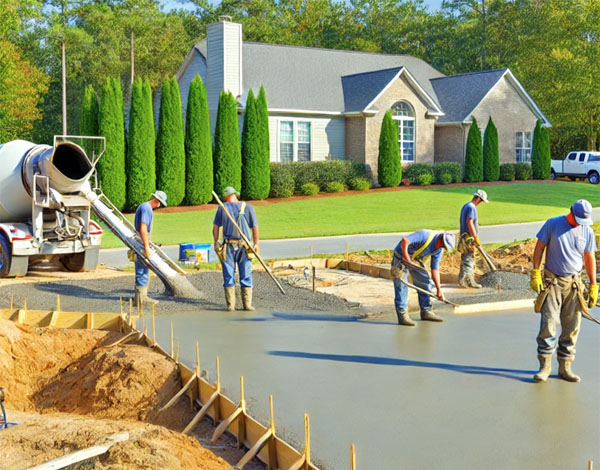
Planning a concrete installation project in North Carolina requires careful budgeting and thoughtful project planning.
The cost of concrete in North Carolina ranges between $110 and $165 per yard, which is close to the national average. These costs can vary depending on project specifics, such as the size and complexity of the installation.
Urban and suburban settings in North Carolina often enjoy moderate weather, aiding in efficient project completion and lower labor costs. Services such as concrete installation projects offer a range of solutions, including driveways, patios, and retaining walls, making it easier to plan effectively. Always set a realistic budget to avoid financial strain and ensure the project’s success.
For specific tasks like walkway or patio installation, expect to pay around $6 per square foot, with some variability. Consider using tools like cost calculators to get an accurate estimate for your project, and seek quotes from local contractors to compare prices and services.
Planning Your Concrete Installation Project
Effective planning is critical to ensure a successful concrete installation project. This involves understanding the project scope, design considerations, selecting the right materials, and preparing the site properly.
Understanding Project Scope and Size
The first step involves determining the project’s size and complexity. Knowing whether it is for residential driveways, commercial patios, or foundational structures helps in allocating the necessary resources and time.
Key Elements:
- Project Size: The scope should outline the dimensions and total area to be covered.
- Purpose: Define if it’s a residential or commercial project, such as a driveway or patio.
- Timeline: Establish a clear timeline, including the start and completion dates.
Consulting with professionals who have extensive experience and a solid reputation can offer invaluable insight into achieving efficiency and quality.
Design and Aesthetics
Design and aesthetics play a pivotal role in customer satisfaction and the project’s overall success. Concrete offers a wide range of design possibilities including stamped, stained, and decorative finishes.
Design Considerations:
- Type of Finish: Options such as stamped concrete and stained concrete can enhance aesthetic appeal.
- Color Choices: Consider using colored concrete to match existing landscaping or structures.
- Durability and Maintenance: Choose designs that align with the project’s environmental conditions and expected wear.
Incorporating unique elements and finishes can significantly enhance the property’s value and longevity.
Selecting the Right Concrete and Materials
Choosing the appropriate concrete mix and supplementary materials like rebar and wire mesh is critical for the durability and stability of the project.
Material Selection:
- Concrete Mix: The mix should be appropriate for the project’s specific needs and environmental considerations.
- Reinforcements: Use materials like rebar and wire mesh to strengthen the concrete.
- Quality: Ensure all materials meet industry standards to guarantee the structure’s longevity.
Consulting with suppliers for high-quality materials and considering the project’s long-term durability will offer substantial benefits.
Site Preparation and Environmental Considerations
Proper site preparation is vital for the project’s success. It includes activities like excavation, grading, and addressing environmental factors.
Key Preparatory Steps:
- Excavation and Grading: Ensure the site is adequately prepared, including grading the land for proper drainage.
- Environmental Factors: Consider local environmental conditions such as temperature and humidity, which can affect curing times and concrete stability.
- Safety Measures: Implement rigorous safety measures to protect workers and surroundings.
Prioritizing site preparation and considering environmental impacts are crucial steps to ensure the project’s smooth execution and longevity.
Budgeting and Cost Management
Effective budgeting and cost management for a concrete installation project is essential to ensure the project stays within financial constraints while meeting high-quality standards. It involves estimating costs, choosing a contractor, and accounting for additional expenses.
Estimating Project Costs
Accurate cost estimation is crucial in North Carolina for both commercial construction and residential projects. Estimating costs involves considering the price per square foot or yard, which typically ranges between $3 to $10 per square foot.
Labor costs should also be factored in. Skilled labor is essential for quality, with labor costs contributing significantly to the total budget. Delivery and reinforcement expenses, like rebar for added strength, should be included as well.
A detailed budget must account for potential additional expenses such as excavation, removal, and site preparation. Using an affordable concrete service with transparent pricing helps in managing the anticipated expenditures.
Choosing Your Concrete Contractor
Selecting a reliable concrete contractor is vital for successful project completion. Homeowners and businesses in NC should look for contractors with extensive experience and strong testimonials.
Contractors offering a wide range of concrete services, including pouring, finishing, and reinforcement, add value to the project. Reliable contractors provide accurate estimates and offer robust customer service, ensuring that all project specifications are met.
Verifying the contractor’s previous work can give insight into their reliability and expertise. Accessing customer reviews and testimonials will help gauge their proficiency and reliability. A contractor with a proven track record in commercial and residential projects in North Carolina is ideal.
Concrete Installation and Additional Expenses
Concrete installation involves multiple steps, including site preparation, formwork setup, pouring, finishing, and reinforcement. For projects like residential driveways or commercial floors, each step needs meticulous planning and execution.
Additional expenses may include concrete delivery costs and potential repairs or custom designs. Timely concrete delivery ensures the project progresses without delays, directly affecting labor and other time-related costs.
Potential removal and repair costs should be considered, particularly for renovations or replacements. Engaging with concrete repair services early can help mitigate unexpected expenses. By preparing for these contingencies, homeowners and businesses can effectively manage project budgets and maintain control over the financial scope of their construction projects.














