Topic: How Sustainable Fashion Is Reshaping Local Economies
By Space Coast Daily // October 3, 2024
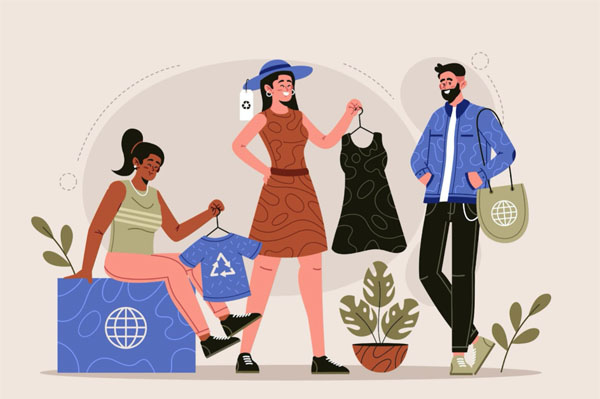
The environmental harm we (humans) have caused is impossible to reverse in a day. However, we can certainly start somewhere, right? We can, for example, start with sustainable fashion.
As consumers become increasingly aware of how their choices impact our habitat, sustainable fashion is a compelling alternative because it prioritizes eco-friendly materials and ethical practices.
Sustainable fashion doesn’t solely focus on reducing waste. It also transforms local economies, supports small businesses, and attracts a new wave of eco-conscious tourists eager to make a positive impact through their shopping habits.
Here are five ways sustainable fashion reshapes local economies.
Integrating Technology in Sustainable Fashion
As demand for sustainable fashion increases, several eCommerce platforms are stepping up to support eco-conscious brands and provide a space where consumers can easily find ethical options.
These platforms are doing more than connecting consumers to sustainable products and amplifying the reach of small, local designers committed to green practices. One such platform is Trendyol, which is known for showcasing a diverse selection of sustainable brands and helping customers make responsible fashion choices.
Platforms like Trendyol and others that make sustainable fashion more accessible to a broader audience strengthen local economies.
Boosting Small Businesses through Local Production
Instead of outsourcing labor and materials to cut costs, sustainable brands are prioritizing local sourcing and manufacturing. This change in tact reduces the carbon footprint inherent to conventional shipping and distribution while providing much-needed support to local artisans and small business owners.
For example, communities known for their unique textiles, such as the weaving industries in India or the leather artisans in Italy, have seen a resurgence as brands collaborate directly with these skilled craftspeople.
Small businesses experience an economic boost by keeping production local and fostering the preservation of traditional skills and cultural heritage for future generations.
Encouraging Sustainable Tourism
Modern-day tourists who are now more conscious of the impact of their spending often seek out eco-friendly experiences that align with their values. Regions that integrate sustainable fashion practices can attract these eco-conscious visitors by offering curated shopping experiences centered on sustainability.
For instance, Florida’s Space Coast has embraced sustainable fashion by promoting local boutiques and designers who use eco-friendly materials and ethical production methods.
With initiatives like eco-fashion shows and sustainable marketplaces, the Space Coast draws in tourists looking to support responsible shopping practices. This generates income for the local economy while creating a unique selling point for the region’s tourism.
Promoting Fair Labor Practices
Sustainable fashion is all about ethical practices, focusing on fair wages, safe working conditions, and respectful treatment of workers. Adherence to these principles benefits local economies by fostering job creation and skill development.
Unlike traditional fashion supply chains that often exploit cheap labor, sustainable fashion brands collaborate directly with local communities to ensure a positive economic impact.
As more brands adopt these practices, they empower local artisans by giving them control over their production, a fair share of profits, and raising the overall standard of living within the community.
Revitalizing Traditional Crafts and Techniques
Sustainable fashion is also driving a resurgence in traditional craftsmanship. Techniques like hand-weaving, natural dyeing, and embroidery, which were at risk of extinction due to the fast-fashion boom, are now in high demand.
For example, traditional beadwork and fabric weaving in rural African communities have gained new value through partnerships with sustainable fashion brands.
This approach provides employment and empowers artisans by giving them the platform to showcase their culture to a global audience. As a result, these communities are witnessing economic revitalization as interest in authentic, handmade products grows.
Conclusion
As we have seen from our discussion, sustainable fashion can reshape local economies in unimaginable ways. That’s why every purchase, brand, and decision we make should contribute to a fashion industry that cares about the people and communities behind them.