WATCH: NOAA Launches Summer Beach Safety Campaign to Prevent Injury or Death
By Space Coast Daily // June 27, 2025
the majority of U.S. beach fatalities occur during the months of June and July
ABOVE VIDEO: NOAA Launches New Blue IQ Beach Safety Campaign to Prevent Injury or Death This Holiday

BREVARD COUNTY • FLORIDA — The National Oceanic and Atmospheric Administration is launching a new video series, Know Your Blue IQ, in partnership with the Ocean Positive Foundation and Smithsonian Institution, aimed at boosting safety ahead of the peak of this summer’s beach season.
The National Ocean Service plays a vital role in beach safety, providing resources to keep beachgoers safe throughout the year. These resources include information on the latest tides and currents, harmful algal blooms, and dangerous marine debris in coastal waters.
The video producers aim to raise the ‘Blue IQ’ of beachgoers by educating them about some of the most common threats in coastal waters.
From 2014 to 2024, there were 878 fatalities connected to beach hazards such as rip currents and high surf. Most victims of beach or surf zone hazards are male, and between the ages of 10 and 29, with the majority of U.S. fatalities occurring during June and July.
The videos address the disconnect between ocean conditions and what people think they know about beach safety and their swimming strength.
“Beaches are special places where families make memories each summer season across the country,” said Nicole LeBoeuf, director of NOAA’s National Ocean Service. “But data shows that people often overestimate their ability to swim in ocean waves so education and preparation are key elements of beach safety.”
The videos build on previous NOAA campaigns to communicate with a new generation of swimmers about beach hazards. The National Weather Service officially categorizes surf zone fatalities caused by three types of hazards. Rip currents are powerful, channeled currents of water flowing away from shore that can occur at any beach with breaking waves, including the Great Lakes.
Sneaker waves are large waves that suddenly swamp the beach and sweep people into the water. High surf can also be dangerous and even deadly.
“Before visiting the beach, check all weather information, including wave and surf zone forecasts,” said Ken Graham, director of NOAA’s National Weather Service. “Know before you go! It’s key to staying safe and ensuring a fun experience at the coast.”
“Beaches are fun, but there can be hidden dangers, even on sunny, storm-free days. The safest beach day begins with preparation,” said Bruckner Chase, CEO of Ocean Positive Foundation. “Coastal visitors may travel to the beach only once or twice a year, making them unfamiliar with local wave dynamics and currents.”
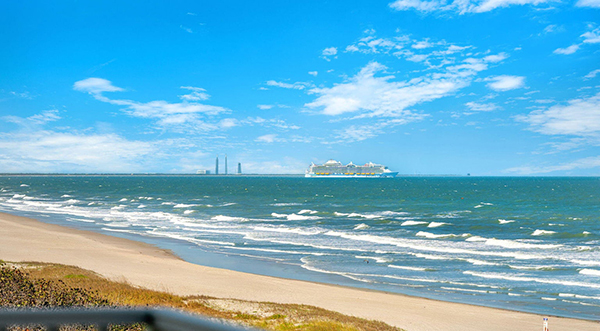
Many beach visitors underestimate how hard it can be to swim in waves, as compared to their pool swimming strength, for example. This is particularly a problem for young adults, who may be more likely to overestimate their ocean swimming fitness.
Visit the National Weather Surf Zone Forecasts for the latest forecast information for coastal locations and the National Weather Service Beach Forecasts, for forecast information on rip currents, waves, weather, water temperature and links to local radar, and the ultraviolet index as well as beach preparedness and safety information.
 Related Story:
HOT OFF THE PRESS! June 16, 2025 Space Coast Daily News – Brevard County’s Best Newspaper