
What’s the Cost of Tearing Off and Replacing a Roof in Utah?
By Space Coast Daily // June 16, 2025
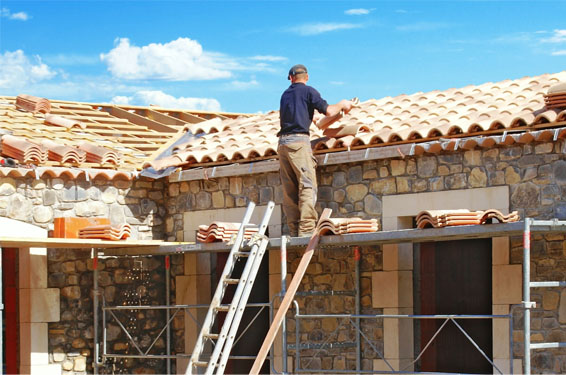
Replacing a roof in Utah is a considerable investment for any homeowner, with prices influenced by factors like material, size, and local regulations. On average, tearing off and replacing a roof in Utah costs between $6 and $9 per square foot for asphalt shingles, though costs can rise for larger homes, steep designs, or higher-end materials. These expenses cover labour, disposal of old materials, and installation, all of which are impacted by the unique climate challenges and requirements of the region.
Every home is different, so it’s essential to budget accurately and plan for the specific needs of your property. Working with quality roofing service provider in Salt Lake City, ensures the work meets both budget and local building standards. In the face of numerous variables, it is imperative to choose trusted professionals in order to protect your investment.
Key Takeaways
- Average roof replacement costs in Utah vary based on size and materials.
- Choosing the right roofing materials affects durability and expense.
- Working with experienced contractors protects your investment.
Average Roof Replacement Costs in Utah
The average cost to tear off and replace a roof in Utah ranges widely depending on factors like the roof’s size, pitch, and material. Most homeowners can expect their total roofing costs to sit between $10,600 and $30,000 for a standard project.
Factors Affecting Roof Replacement Costs
Several factors directly impact the final roof replacement cost in Utah. One major factor is roof size as larger roofs require more materials and labour, driving up both installation and disposal fees. The roof pitch and complexity matter as well—steeper or more complex roofs can increase both time and costs due to safety concerns and extra handling.
Material choice also plays a key role. Asphalt shingles, the most common option, remain more affordable, while premium materials like metal or tile increase the total roofing cost. The age and current state of the old roof may also introduce complications with removal or repairs, contributing additional expenses. Labour availability and demand in Utah can cause costs to fluctuate. Seasonal conditions, regional labour rates, and contractor experience levels factor into labour costs, which often account for a significant part of the overall expense.
Cost Breakdown: Labour and Materials
The total roofing cost for a Utah home includes both material and labour. Labour costs for asphalt shingle installation typically run between $200 and $300 per square (100 square feet), while materials range from $80 to $250 per square. The average cost to tear off the old roof alone is between $1 and $3 per square foot, depending on the number of layers and roof condition.
Material selection—like architectural shingles or metal—can push costs higher than the average. The most affordable replacements use basic asphalt shingles, but architectural or specialty shingles are more expensive. Contractors in Utah may charge higher prices during busy periods or for more complex roof designs. Disposal fees for old roofing materials add to the total. These charges depend on roof material type, project size, and waste removal methods. Homeowners pay more if the project requires extra debris removal or recycling services, which are sometimes mandated by local regulations.
Choosing Roofing Materials and Working with Contractors
Selecting the right roofing material, finding a trustworthy contractor, and understanding local permit requirements all play critical roles in achieving a successful roof replacement in Utah. Cost, durability, and reputation all come into play, and navigating these factors can prevent issues during and after installation.
Hiring a Reputable Roofing Contractor
A reputable roofing contractor is essential for a quality installation and the longevity of a new roof. Homeowners should verify licensing and insurance to protect against accidents or damage during the job. Checking references and seeking recommendations from neighbours or online reviews is recommended. Written estimates should detail the scope of roof installation, including any roof repairs, replacement of roof decking, installation of drip edge, and gutter replacement if needed. Clear contracts also specify warranty coverage, maintenance terms, and payment schedules.
Ask about experience with specific roof materials like luxury shingles, architectural shingles, and flat roof systems. Contractors familiar with products like GAF Timberline Solar or GAF Timberline HDZ can offer guidance on the latest home improvement options. Tips from professionals include scheduling jobs in the offseason for better pricing and confirming that warranties cover both materials and workmanship.
Permits, Inspections, and Local Requirements
Utah municipalities require permits for most roof tear-off and installation projects. The cost and process depend on city or county rules, so contacting local building departments before starting a job is essential. Permits ensure adherence to code requirements, which commonly cover proper flashing, insulation, and material selection. An inspection occurs after installation to confirm code compliance and safety standards. Missing this step can cause headaches when selling a home or filing insurance claims.
Homeowners should confirm their roofing contractor will handle the process and secure all necessary paperwork. Local requirements may mandate specific drip edge detail, ventilation upgrades, or stricter installation methods for certain roof materials, especially for flat roofs and heavy tiles.
Conclusion
Roof tear-off and replacement costs in Utah range widely, influenced by materials, roof size, and local labour rates. Homeowners typically see prices from $7 to $25 per square foot for tile roofs and $6,700 to $25,000 for average-sized homes, based on current estimates.
Material choices such as asphalt shingles or concrete tiles, as well as the home’s roof design, can affect the final amount. Labour costs in Utah may differ from national averages, so it’s advisable to request local estimates.














