
Step-by-Step Guide to Sponsoring a Spouse for a Green Card
By Space Coast Daily // September 2, 2025
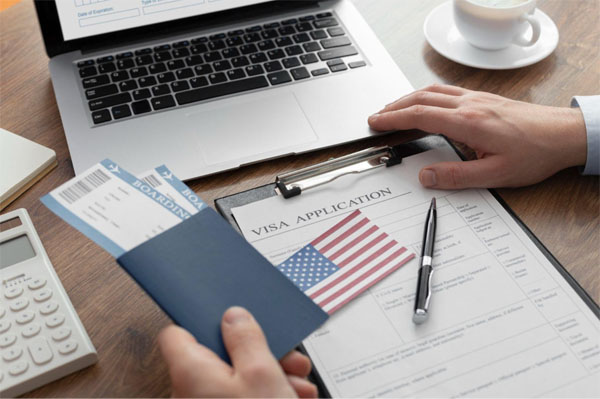
Sponsoring a spouse for permanent residency in the United States is one of the most common family-based immigration processes. While it may appear simple, the path involves several forms, strict deadlines, and thorough evidence requirements. Understanding each step ahead of time prevents unnecessary delays and helps couples move forward with greater confidence.
Many couples turn to a sponsor spouse for green card services during this process. These services provide structure, assist with form preparation, and explain how to organize supporting evidence. Knowing the sequence of steps ensures that spouses meet the eligibility requirements and avoid mistakes that could result in denials.
Step 1: Confirming Eligibility
Before beginning, the sponsoring spouse must confirm that they are a U.S. citizen or lawful permanent resident. U.S. citizens can sponsor a spouse without limits on visa numbers, whereas permanent residents face annual caps that sometimes result in waiting lists.
The couple must also prove that the marriage is legally valid and genuine. Civil marriage certificates, joint accounts, and shared living arrangements help establish eligibility. Without sufficient evidence, the petition risks rejection.
Step 2: Filing the Petition
The first official action involves submitting Form I-130, Petition for Alien Relative. This form establishes the relationship between the U.S. sponsor and the foreign spouse. It requires accurate biographical details, marriage information, and supporting evidence such as photographs and affidavits.
Once filed, the petition is reviewed by U.S. Citizenship and Immigration Services (USCIS). Approval of the petition does not automatically grant a green card, but it allows the case to proceed to the next stage of processing.
Step 3: Addressing Financial Requirements
The sponsoring spouse must demonstrate that they can support their partner financially. According to Form I-864, Affidavit of Support, the sponsor’s income is 125 percent of the federal poverty threshold. Proof of employment includes employment letters, tax returns, and pay stubs.
If the sponsoring spouse’s income is not sufficient, a joint sponsor may be used. This ensures that the immigrant spouse will not become dependent on public assistance. Meeting financial standards is critical for approval.
Step 4: Choosing Adjustment or Consular Processing
Where the immigrant spouse lives determines the path forward. If already in the United States with lawful entry, the spouse may apply for adjustment of status using Form I-485. This allows them to remain in the country while the case is processed.
If the spouse lives abroad, the case proceeds through consular processing. After petition approval, the National Visa Center coordinates with the U.S. consulate in the spouse’s home country. The spouse attends an interview before receiving an immigrant visa.
Step 5: Completing Medical and Biometric Requirements
Every applicant needs to be examined by a qualified medical professional. This test verifies a person’s general eligibility for admission to the US as well as their medical history and vaccination records.
Additionally, USCIS schedules a biometrics appointment, during which applicants provide fingerprints, photographs, and signatures. These records enable the government to conduct background checks and verify identities. Attending both appointments is mandatory.
Step 6: Attending the Immigration Interview
An essential part of the procedure is conducting interviews. The pair goes to the interview jointly at a USCIS office for adjustment of status cases. The immigrant spouse is interviewed at the U.S. embassy or consulate overseas for consular procedures.
The officer asks questions about the marriage, daily life, and shared experiences. The goal is to confirm that the relationship is genuine. Consistent answers, well-prepared documentation, and honesty are crucial for a successful outcome.
Step 7: Receiving Conditional or Permanent Residency
If the immigrant spouse’s marriage is less than two years old at the time of the green card issuance, they are awarded conditional permanent residency. This card has a two-year validity period. A ten-year card and the removal of conditions require the pair to submit Form I-751 thereafter.
If the marriage is more than two years old, the spouse receives a standard ten-year permanent resident card immediately. Understanding this distinction helps couples prepare for future requirements.
Common Challenges During the Process
Delays often occur due to incomplete documentation, inconsistencies in forms, or the absence of financial proof. Requests for Evidence (RFEs) extend timelines and increase stress. Couples should carefully review all submissions before sending them to USCIS.
Other challenges include prior immigration violations, criminal records, or long periods of separation between spouses. Addressing these issues with substantial evidence or legal guidance improves the chances of success.
Key Takeaway on Sponsorship Steps
Learning each stage of the process makes sponsoring a spouse more manageable. From filing the petition and meeting financial obligations to completing interviews and receiving residency, every step requires accuracy and preparation. Using a sponsor spouse for green card services or carefully following official instructions ensures smoother progress and fewer setbacks. Couples who stay organized, collect strong evidence, and meet deadlines place themselves in the best position for approval.















