Hernia Surgery: When Is It Necessary and What to Expect
By Space Coast Daily // December 8, 2025

A hernia develops when there’s a protruding of a fatty tissue or organ along a weak spot in the surrounding connective tissue or muscle, known as fascia. The most common types include inguinal (inner groin), hiatal (upper stomach), umbilical (belly button), and incisional (resulting from an incision).
While a hernia itself isn’t always a medical emergency, it’s a mechanical problem that typically requires surgical intervention to resolve. Understanding when surgical repair is required and what the process entails is crucial for effective treatment and recovery.
This article delves into when hernia surgery is necessary and what to expect from the procedure.
When Is Hernia Surgery Medically Necessary?
Beyond symptomatic hernias, certain conditions make surgery an urgent necessity rather than an elective choice. A healthcare provider will typically recommend prompt surgical intervention in the following scenarios:
- Incarceration: This occurs when herniated tissue becomes confined in the abdominal wall and cannot be pushed back into the abdomen. While not immediately life-threatening, an incarcerated hernia is painful and carries a high risk of progressing to a more dangerous condition.
- Strangulation: This is a surgical emergency. It happens when the blood supply to the incarcerated tissue is cut off. Without blood flow, the tissue can become gangrenous (die), leading to severe infection, sepsis, and potentially death. Symptoms of a strangulated hernia include sudden, serious pain, redness or darkening of the skin over the bulge, nausea, vomiting, fever, and an inability to have a bowel movement. Immediate medical attention is required.
Elective surgery is almost always recommended for symptomatic hernias because they tend to enlarge and become more painful over time. The risk of complications like incarceration increases with time, making earlier repair a safer and often simpler procedure. Furthermore, for residents seeking expert care, consulting the best hernia surgeons in California or similar locations offers access to advanced diagnostics.
Preoperative Evaluation and Choosing a Surgical Approach
Before surgery, a comprehensive evaluation is conducted. This includes a physical examination, often accompanied by a cough or strain test, and may involve imaging studies, such as an ultrasound or CT scan, to assess the hernia’s size and contents. The surgeon will review the patient’s medical history and discuss the most appropriate surgical technique. The two primary methods are:
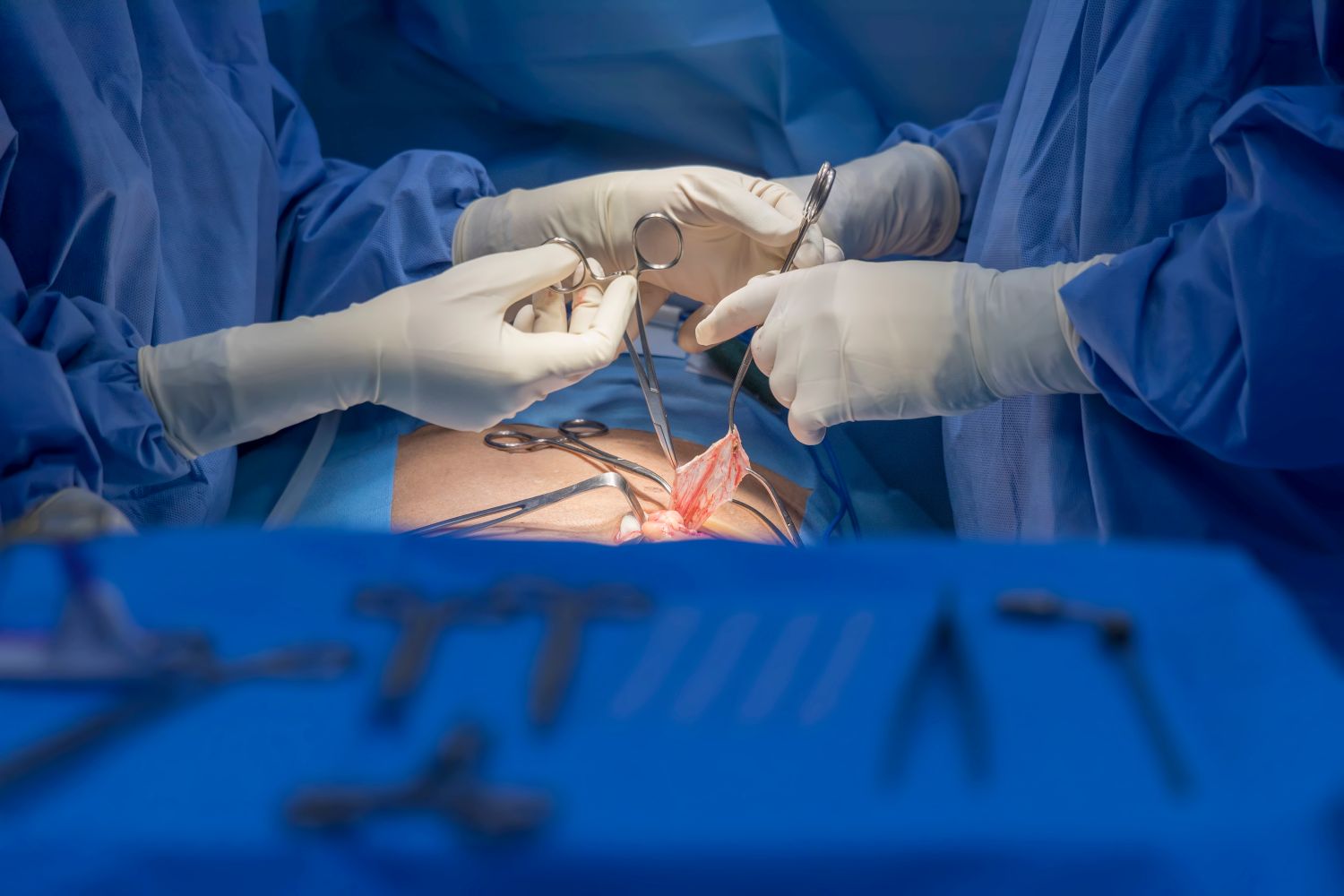
- Open Hernia Repair: In this traditional approach, a single, larger incision is made over the hernia site. The protruding tissue is pushed back into place, and the weakened muscle is repaired. Often, a synthetic mesh is implanted to reinforce the area and significantly reduce the risk of recurrence. Recovery from open surgery typically involves more initial pain and a more extended return to normal activities.
- Minimally Invasive Repair (Laparoscopic or Robotic-Assisted): These techniques involve several small incisions through which a laparoscope (a thin tube with a camera) and specialized instruments are inserted. The surgeon views a magnified image on a monitor to perform the repair from behind the abdominal wall. Robotic surgery offers enhanced precision, dexterity, and 3D visualization for the surgeon. Benefits often include less postoperative pain, fewer minor scars, and a quicker return to work and daily activities.
However, for those wanting to learn more about these procedures, working with specialized facilities like the Torrance hernia center can provide comprehensive, patient-focused insights
What to Expect During Recovery and Beyond
Postoperative expectations vary depending on the type of hernia, the surgical method used, and the patient’s overall health. General guidelines include:
- Immediately After Surgery: Patients are monitored in a recovery area. Most laparoscopic and robotic procedures are performed on an outpatient basis, meaning patients go home the same day. Some open repairs may require a short hospital stay.
- Pain Management: Prescription or over-the-counter pain medications are used to manage discomfort. Applying ice packs to the incision site can help reduce swelling and pain.
- Activity Restrictions: Patients are advised to avoid heavy lifting (typically no more than 10-15 pounds) and strenuous activity for several weeks. Walking is encouraged immediately to promote circulation and prevent blood clots. Gradual resumption of normal activities is guided by the surgeon’s instructions, with most patients returning to non-physical work within one to two weeks.
- Diet: A regular diet can usually be resumed quickly, though some may experience temporary constipation due to general anesthesia or pain medication; increased fluid and fiber intake is recommended.
- Long-Term Outcomes: Hernia repair surgery is highly successful. The use of mesh has reduced recurrence rates to very low levels. Most patients experience a permanent resolution of their symptoms and a return to full, unrestricted activity after the healing period is complete.
Ultimately, recovery from a hernia repair procedure involves managing discomfort, temporary activity restrictions, and a high likelihood of a full return to regular activity.
Key Takeaway
Hernia surgery becomes necessary when a hernia causes pain, limits activity, or presents the risk of dangerous complications like strangulation. Modern surgical techniques offer safe and effective repairs with minimal discomfort and rapid recovery times. By keeping the information mentioned above in mind, patients can develop an effective and personalized treatment plan, ultimately achieving optimal long-term health.