
Why Truck Crashes Are Different and What Atlanta Drivers Need to Understand
By Space Coast Daily // February 11, 2026
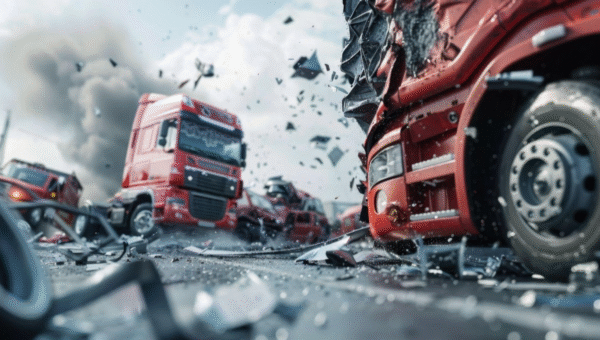
Truck crashes stand apart from typical car collisions in several ways that affect how injuries occur, what laws apply, and how you handle the aftermath. You face a legal environment shaped by federal trucking regulations, state accident rules, and complex evidence issues that often do not arise in ordinary vehicle wrecks. Understanding these key differences in clear terms can help you know what to consider if you are involved in a crash with a large commercial vehicle.
How Truck Crashes Differ from Car Accidents
Truck collisions often result in more severe injuries because of the size and weight of commercial trucks compared to passenger vehicles. A fully loaded tractor-trailer can weigh up to about 80,000 pounds, which means it can take much longer to slow or stop.
Due to these differences, fault in these collisions may involve additional layers of inquiry. In that context, an Atlanta truck accident lawyer may review not only the driver’s actions but also maintenance records, cargo loading procedures, and compliance with federal safety standards. Investigators often gather electronic logs and other data that do not come into play in regular auto accidents.
Federal and State Rules That Apply to Trucking
Commercial trucking is heavily regulated at the federal level by the Federal Motor Carrier Safety Administration (FMCSA). These regulations cover driver qualifications, maximum work hours without rest, cargo securement, vehicle inspections, and maintenance. A violation of these rules can serve as evidence that a truck driver or carrier failed to exercise reasonable care.
State law also matters in truck crash cases. Each state sets its own rules for proving negligence, calculating damages, and handling insurance claims. For example, many states follow comparative fault principles, where your compensation may be reduced if you share fault. States also set time limits for filing suit, known as statutes of limitations. Missing these deadlines typically prevents you from pursuing legal remedies.
Common Causes Behind Truck Crashes
Several factors commonly contribute to truck accidents. Fatigue remains a significant issue, even though regulations limit drivers’ hours on the road. Long hours and tight delivery schedules can make it difficult for drivers to rest, which can slow reaction times and impair judgment.
Mechanical failures can also play a role. Brake problems, tire blowouts, or steering defects can lead to loss of control. Cargo issues such as improper loading or shifting loads can affect a truck’s balance and increase the chance of rollovers or jackknifing. Environmental conditions like rain, wind, or slick pavement add another layer of risk because trucks require more time to adjust speed and direction in adverse conditions.
How Liability Is Determined
In truck crashes, you may encounter multiple potentially responsible parties. The driver might be liable if their conduct falls below the standard expected of a reasonable driver. The employer, or carrier, can also be liable under respondeat superior rules if the driver was performing work duties at the time of the crash.
Other parties may share responsibility. For example, a company that improperly loaded cargo, a maintenance facility that failed to repair known defects, or a manufacturer of a faulty part could face liability in certain circumstances. Because of this complexity, investigators and courts often look at a range of evidence to allocate fault.
Insurance Issues After a Truck Crash
Insurance is a different landscape in truck collision cases. Commercial vehicles typically carry higher liability limits than personal cars, and policies may have complex provisions. Insurers representing carriers often conduct thorough investigations soon after a crash. Statements you make, or evidence you provide, can influence how claims are handled.
Collecting and preserving evidence is essential. This includes photos of the scene, witness contacts, police reports, medical records, and documentation of vehicle damage. In many cases, electronic logging device data and event data from the truck can be important in reconstructing the collision.
What You Should Do After a Truck Collision
If you are involved in a truck crash, your first concern should be health and safety. Seek medical evaluation, even if you think injuries are minor, because some conditions may not become obvious immediately. Report the crash to law enforcement, so you have an official record.
Document as much as you can at the scene without putting yourself at risk. Photos of vehicle positions, road conditions, and any visible injuries can help establish facts. Get contact information for other drivers and any witnesses. Keep a file of all correspondence with insurers, repair estimates, and medical bills. These steps matter in truck crashes because the legal and evidentiary issues are often more complex than in ordinary car accidents.














