Nikki Van Bever, 89, Serves Health First’s Viera Hospital With Healing Power of Helping
By Space Coast Daily // April 7, 2026
Van Bever’s been at it for 61 years – first at Cape Canaveral Hospital, then for 57 years at Holmes Regional Medical Center

BREVARD COUNTY, FLORIDA – For Nikki Van Bever, four hours of weekly philanthropy is the perfect prescription for good health.
“I love volunteering,” said Van Bever, 89, who serves Health First’s Viera Hospital.
“I think everyone should be a volunteer for the benefits. You feel better. Your mind is clearer. And once you leave and you’ve helped somebody, there’s just nothing like it.”
Van Bever’s been at it for 61 years – first at Cape Canaveral Hospital, then for 57 years at Holmes Regional Medical Center. When she moved to the Suntree area, she wanted a closer option.
She found it in the Emergency Department (ED) at Viera Hospital.
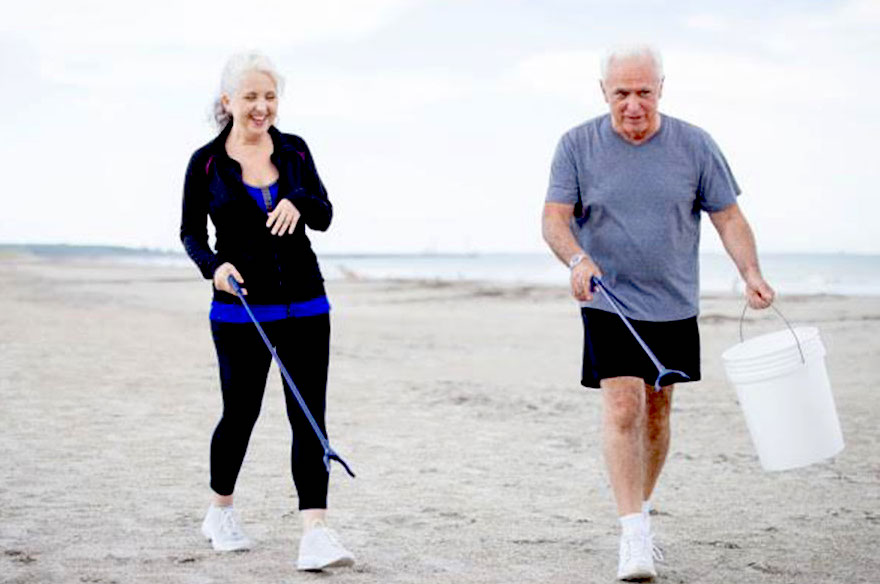
“You can come in here and feel down and leave feeling good,” Van Bever said. “It just does something to you.”
Numerous studies have shown both physical and mental health benefits. Older adult volunteers have a 43% lower risk of depression, a 40% reduced risk of developing hypertension, and a 22% lower risk of death.
Those who volunteer more than 100 hours per year also experience fewer physical limitations over a four-year period.
Van Bever sees it, too. At 89, she has no high blood pressure issues, takes no medications, and attributes her good health in part to her active volunteer work and the sense of well-being it brings.
She said that helping others not only benefits those she serves but also sustains her own health and happiness.
“It’s just something innate that you feel just brings joy to your heart to be able to help people,” Van Bever said. “I speak to everybody. I’m a people person. I’m aware of my surroundings. I’m aware of people who need help.”
A Hidden Perk of Goodwill
While most people likely don’t think about volunteering as providing health benefits, they’re there.
Joelle Boccabella, Manager, Volunteer Services for Health First’s three community hospitals, said volunteering offers retirees and others structure and routine.
“That sense of purpose about being part of something bigger than themselves, giving back to their community,” Boccabella said.
“It really provides them with that schedule. Get up, get dressed, get out. So, both physically and mentally, it’s tremendous…Volunteering gives them that opportunity to be able to keep moving.”
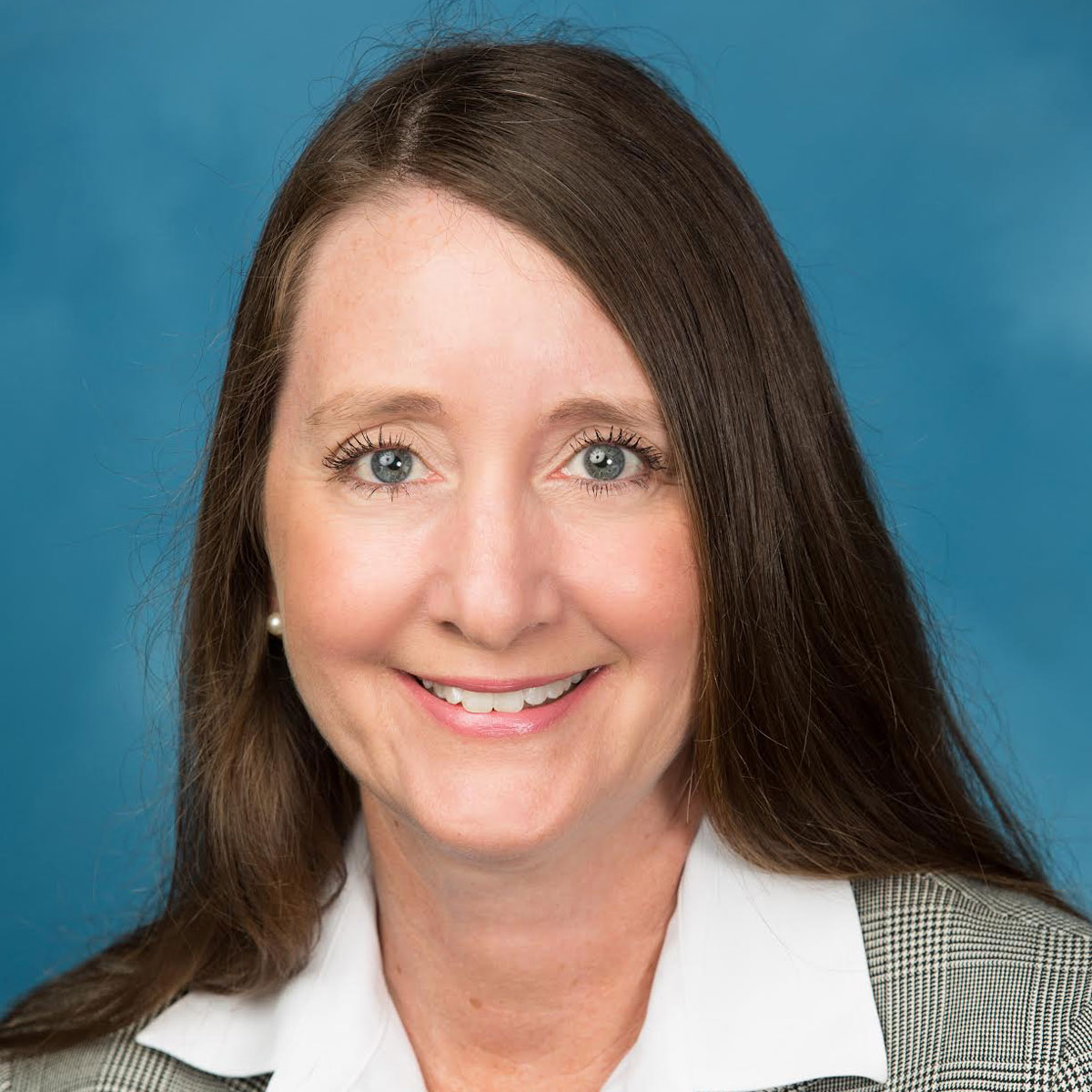
Marcia Phillips, Manager of Volunteer Services for Health First’s Holmes Regional Medical Center, shared the importance of connection – and how that combats isolation and encourages people to tap into their brainpower.
“For our adult volunteers, especially the seniors, they’re looking for that connection and purpose. They want to feel needed, part of a team…part of a family,” Phillips explained.
A Provider’s Take
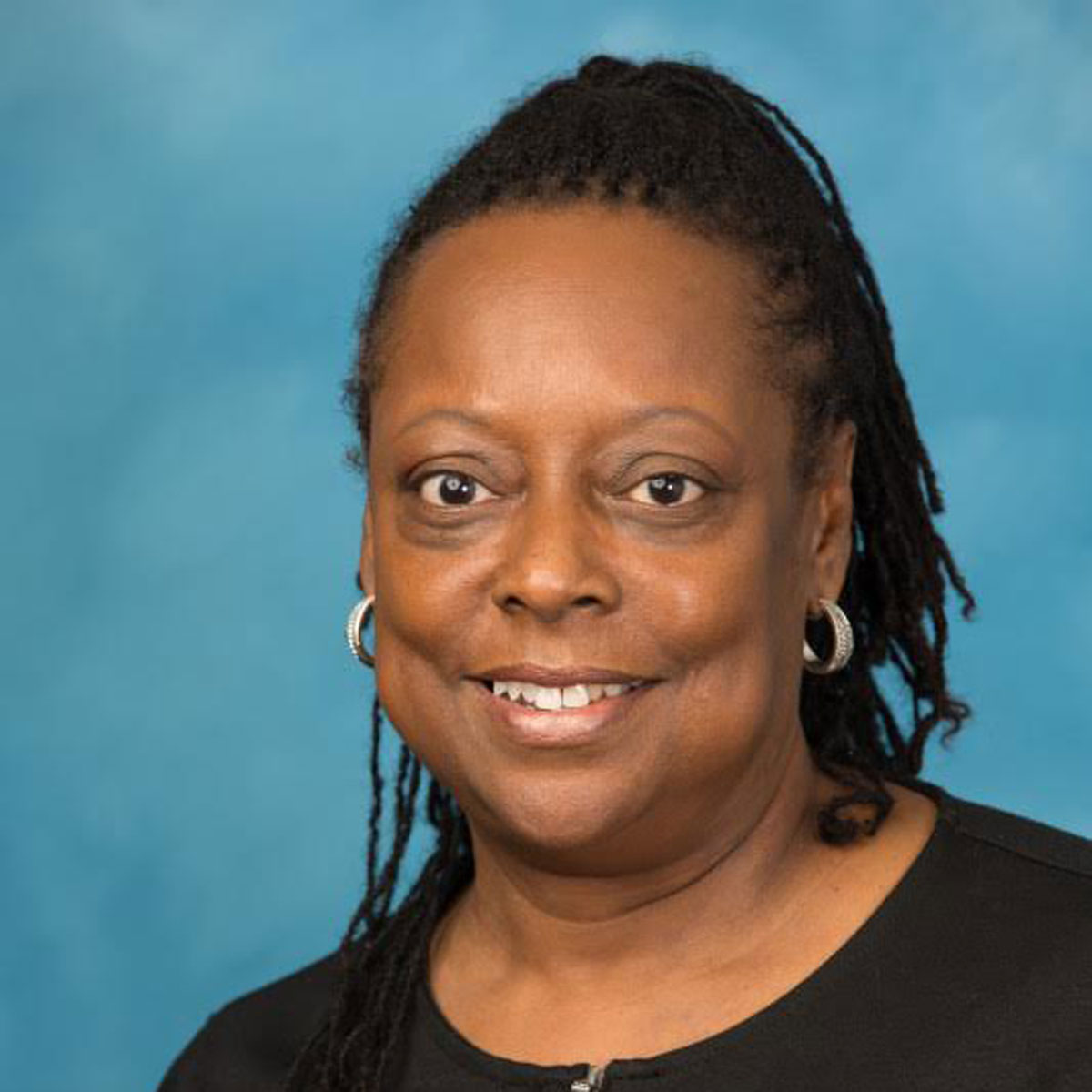
So, what does the research really mean? Dr. Antoneal Swaby, a neuropsychologist with Health First Medical Group, said lower blood pressure and reduced mortality risk are key.
High blood pressure is an indicator of health, and the higher it is, the greater the risk of heart disease, stroke, and premature death.
“Volunteering decreases systemic inflammation and blood pressure levels because it often leads to increased physical activity,” Swaby explained. “Movement ultimately improves circulation, muscle strength, and by extension cardiovascular health.”
It also encourages healthier behaviors, including:
• Increased physical activity: Consider it “invisible exercise,” given the low-impact movement.
• Functional fitness: Boosted muscle strength, flexibility, balance, and coordination, especially key for older adults.
• Regular schedules: Consistency helps lead to predictable daytime schedules, better time management skills, and more regulated sleep patterns.
• Positive distraction: Meaningful work can reduce emotional eating and boredom snacking, as well as serving as a distraction from stressors that might lead to unhealthy coping mechanisms.
• Preventive care: Those who give back are more likely to keep up with provider visits, screenings, and vaccines, prioritizing their health.
When it comes to volunteers ages 65 and up, giving back is especially helpful for their health.
Swaby said it fosters self-efficacy and a sense of connection, which are often lacking in this age range. It also connects people who have common interests and boosts social interaction, she said.
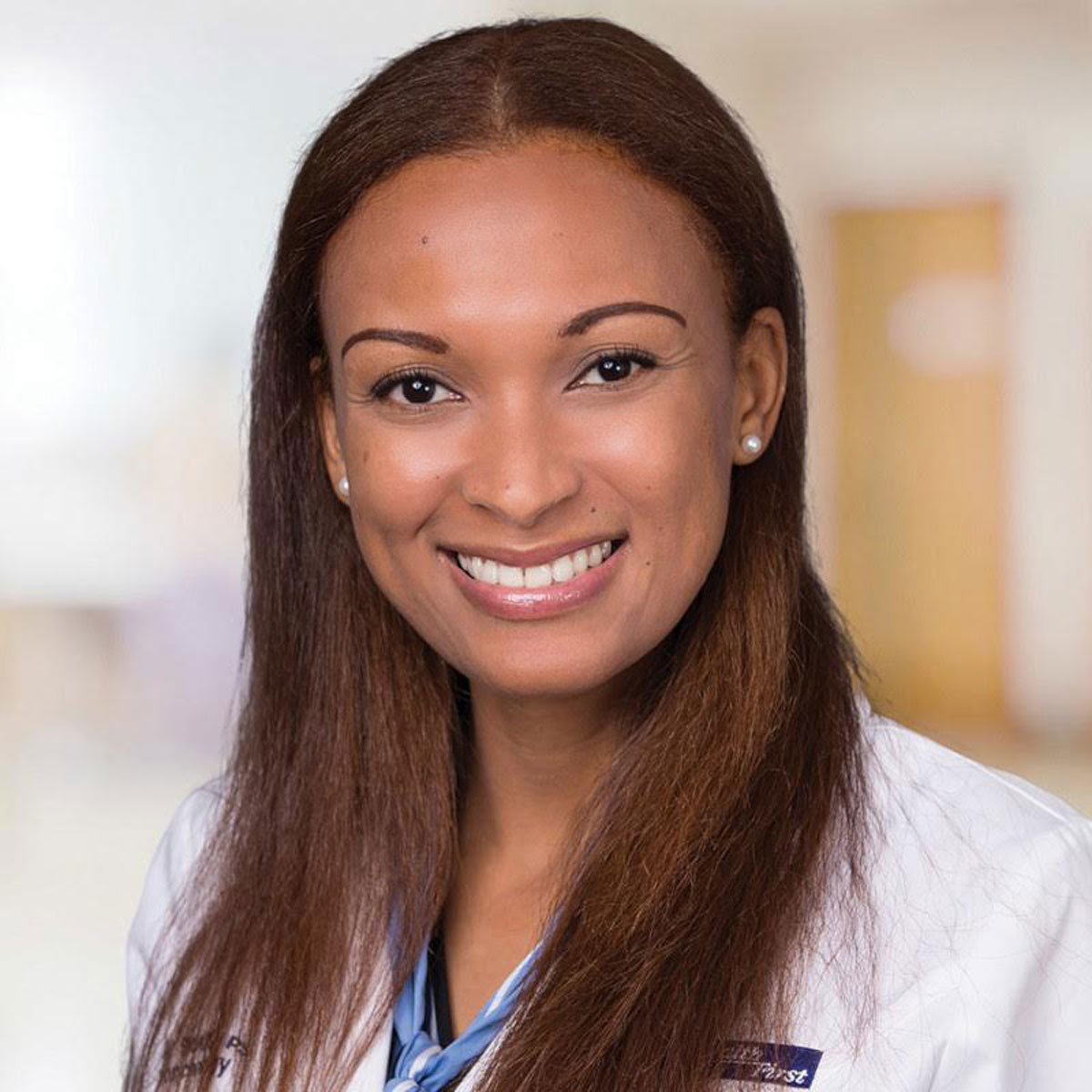
National Institutes of Health research shows that older people report greater improvements in their perceptions of health and life satisfaction than younger volunteers.
“Volunteering can decrease the risk of some physical problems such as heart disease, stroke, and general illness from a reduction in stress,” Swaby explained, citing the Mayo Clinic’s research.
“In addition, people who volunteer have lower mortality rates than those who do not, even when controlling for age, gender, and physical health.”
Then there’s the emotional aspect, with volunteers experiencing improved mental health, too.
Volunteering “reduces stress by increasing positive, relaxed feelings through hormones such as endorphins and dopamine – from a sense of meaning and appreciation – and decreasing stress hormones, such as cortisol,” Swaby said.
“This, in turn, places less pressure on the body’s vascular system, resulting in decreased heart rate and blood pressure.”
What if you’re interested in volunteering but just don’t want to sign up for too much?
Swaby cited Harvard University research showing that even as little as 100 hours of volunteering per year can positively impact health outcomes for older adults. (That’s about two hours a week.)
“This translated into a reduced risk of dying over a four-year follow-up period when compared with non-volunteers,” Swaby said, pointing to the American Journal of Preventative Medicine’s research.
But let’s say you double your volunteer hours to 200 hours a year. Even that can mean 40% of these volunteers are less likely to develop high blood pressure.
How Volunteering Helps With Grief
For Van Bever, volunteering has supported her through even the hardest seasons of life.
When her husband of 68 years, Fred, passed away four years ago, Van Bever didn’t plan to return to her volunteer post.
“And then I thought, ‘No, I have to go. I have to give myself. I’ve got to do it,” she recalled.
“I just love even opening a door for somebody that can’t do it, or holding somebody back to let a wheelchair by, or just little things like that. It just does something to you. And you can come in here and feel down and leave feeling good.”
And people remember her heart for helping.
“The people know from within who you are is really who you are here, and they sense it,” Van Bever said.
“They know that you care. One lady stopped me last week, and she said, ‘Oh, Nikki, you’re that lady who helped my mother so much. Thank you.’ For now, that’s all I need to keep going. Just little things.”
Her favorite part?
“Just making people smile when they’re sad,” Van Bever said.
“So it wasn’t necessarily a certain area you were stationed in. It’s just the whole experience. The emergency room was where I belonged. I mean, I like those other things, but this was it, because there’s just a vibe, a wide variety of things you can do for people.”
So it’s a win for all involved – the patients, the support staff, and the volunteers themselves.
“I love the people here,” Van Bever said. “I’ve made a lot of friends. And that’s the thing about when you volunteer. Every time you volunteer, you give of yourself, but you always get back.”
To learn more about volunteer opportunities, visit hf.org/about-us/giving-back.