
How to Fight a Denied Water Damage Insurance Claim in Florida
By Space Coast Daily // May 12, 2026
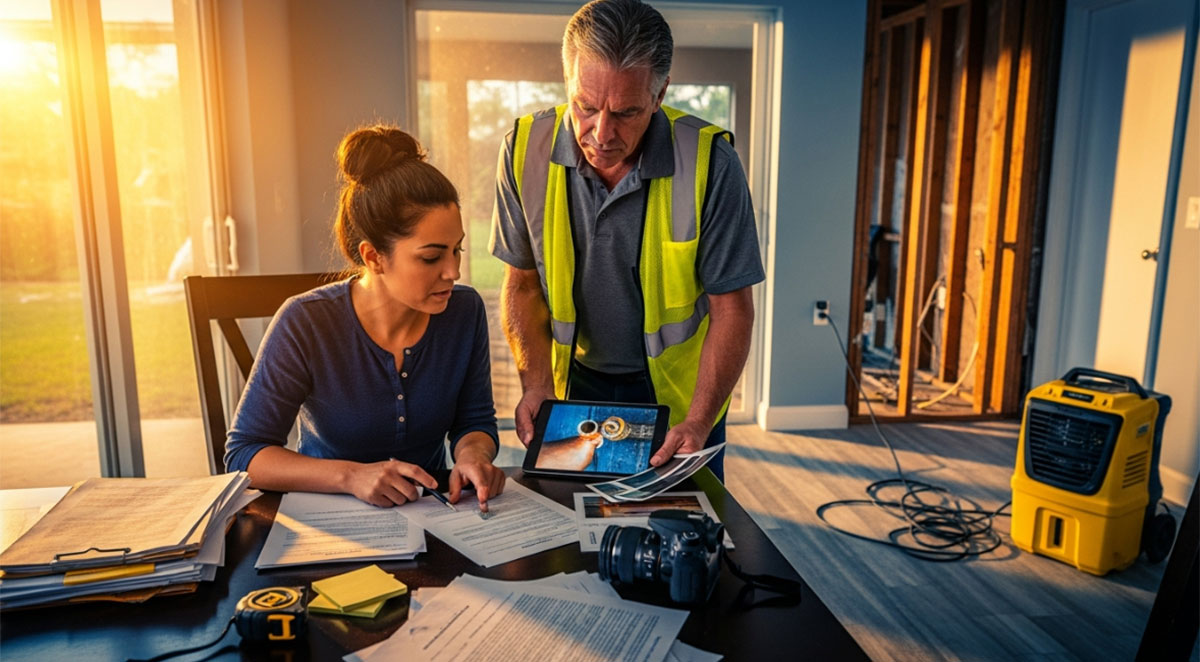
Water destroys homes fast. Just an inch of floodwater can cause $25,000 in damage to floors, walls, and belongings. Receiving a denial letter after such devastation feels like a gut punch.
You’ve been paying premiums on time. Still, more than half of insurance claims are denied, even as the sector records high profit margins. Maddening doesn’t begin to cover it.
This guide details the steps for appealing a wrongful denial and pressuring your insurer to pay. With over 301,000 Florida properties designated as high-risk—according to current FEMA flood map data—knowing how to interpret policy language and compile evidence is essential.
Understanding Your Denial Letter
Identify the Reason for Denial
Insurers lean heavily on vague language to justify withholding money. And with claim disputes rising nationwide as severe weather drives up costs, they’re citing “neglect” or “pre-existing conditions” more often than ever.
Adjusters love reclassifying sudden pipe bursts as “prolonged seepage” to dodge payouts. One homeowner had an extensive claim denied by Safeco simply because a ruptured sink hose was labeled as long-term seepage. Sound familiar?
Older homes face even steeper hurdles. If your house is over 40 years old, some policies cap water damage payouts at an arbitrary $10,000 per incident, regardless of the actual repair costs.
AI and Automated Claims Handling
Here’s something most homeowners don’t realize: your denial might not have come from a human at all. Insurers are increasingly using artificial intelligence to auto-reduce payouts. The NAIC is currently developing a regulatory framework to oversee the implementation of artificial intelligence, but recent Florida bills (HB 527 and SB 202) that would’ve required mandatory human review of AI denials died in committee.
That means you’ll need to actively push for an actual person to review your dispute.
Here’s a quick look at what’s typically covered and what insurers tend to argue:
| Damage Type | Likely Covered? | Typical Insurer Excuse |
|---|---|---|
| Burst indoor plumbing pipe | Yes | Classified as a “gradual leak” |
| Roof leak during a hurricane | Yes | Blamed on pre-existing wear and tear |
| Flood from a rising river | No | Standard policies exclude natural flooding (separate flood insurance required) |
Building a Strong Evidence File
Document the Scene
You need undeniable proof that directly contradicts the adjuster’s narrative. According to statewide data, the average cost for restoration in Florida typically ranges from $1,300 to $5,600. In cases involving severe black water contamination, restoration expenses can often exceed $15,000.
Here’s what to gather before anything gets cleaned up:
• Take extensive photos. Capture wide-angle shots of the entire room plus macro close-ups of the leak source before cleanup begins.
• Keep the broken parts. Don’t throw away the ruptured hose, cracked pipe, or failed appliance fitting. That’s your physical proof of sudden failure.
• Save every receipt. Compile invoices from emergency plumbers and water mitigation crews to show you acted immediately.
• Get an independent estimate. Hire a licensed contractor who has no connection to the insurer to assess the damage and provide a detailed repair quote.
Know Your Deadlines
Miss a paperwork deadline, and your appeal is dead. Florida insurance law sets strict deadlines: 1 year to file an initial or reopened hurricane water-damage claim, and 18 months for supplemental claims.
Insurers must pay or deny within 60 days of receiving your information.
Escalating Your Dispute
Push Back Against Unfair Arbitration
If an adjuster won’t budge on your appeal, it’s time to escalate. According to insurance data, water-related losses, such as accidental discharges, account for a significant share of all Florida property insurance claims.
Insurers often funnel disputes into arbitration, which usually favors them. A recent reform bill failed, so the insurer still pays the arbitrator and wins almost all cases.
When to Bring in a Lawyer
What’s the single most effective way to overturn a wrongful denial? Bring in legal firepower. With 10 of Florida’s largest insurers recently cutting average rates after posting profits, a dedicated Florida water damage claims lawyer can aggressively demand your fair share.
Levin Litigation specializes in cases like these. Their team includes former insurance defense attorneys who are familiar with adjusters’ strategies to limit payouts and can reinterpret policy exclusions into strong arguments. With the Insurance Information Institute reporting that the average U.S. water damage claim exceeds $12,000, the financial stakes are too high to tackle alone.
A firm like this manages every step of the appeals process, letting you focus on your family while attorneys handle the insurer. According to recent industry data, Florida homeowners’ insurance rate increases have stabilized to about 1% year-over-year, so you do not need to fear major premium jumps for asserting your rights.
Take Control of Your Recovery
Don’t accept the first “no” as the final answer. Industry reports show that one in 50 insured U.S. homes files a water damage claim each year, so you’re not alone. Document everything. Note your deadlines. Escalate when needed.
You’ve paid your premiums faithfully. Now you have the tools to hold your insurance company accountable. With nearly 20 new insurers entering Florida’s market, according to recent insurance industry summaries, competition is increasing. This gives you more leverage to contest a wrongful denial and restore your home.













