
Do Junk Removal Companies Recycle: What Really Happens to Your Waste After Pickup
By Space Coast Daily // June 12, 2026
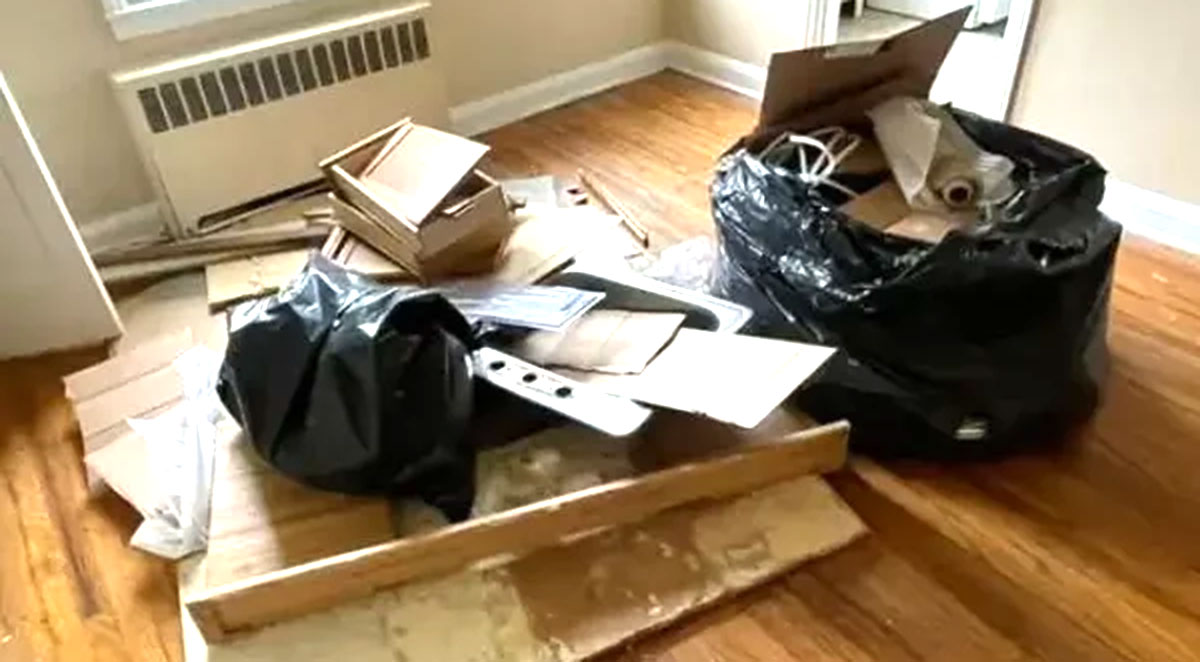
Most people think junk removal is a straight trip from a home to a dump site. In reality, the process has several steps, and recycling plays a much bigger role than many expect. Once items leave your property, they enter a system built around sorting, recovery, and redistribution.
A single truckload can include furniture, electronics, yard waste, and broken household items. Each type follows a different route after pickup. Some materials go to recycling centers, some go to donation partners, and only a portion ends up in landfill sites. What happens depends on condition, material type, and local processing capacity.
Junk removal companies also work under local waste rules and environmental guidelines. These rules shape how crews handle items and where they send them. The goal is simple: reduce landfill waste and recover usable materials whenever possible.
How Junk Removal Crews Handle Items During Pickup and Loading
The recycling process actually starts at your location. When crews arrive, they do more than just load everything into a truck. They begin separating items based on material type and condition right away.
Heavy materials like metal appliances go into one section of the truck. Softer items like clothing or cushions go into another. Electronics receive careful handling because they may contain batteries or small hazardous parts. Yard waste is grouped so it can later move toward compost facilities.
Crews also watch for unsafe materials such as leaking liquids, sharp edges, or broken glass. These are handled carefully to avoid contamination or injury during transport. Good loading practices make later sorting faster and more accurate.
Inside Sorting Facilities: How Mixed Waste Gets Separated
Once trucks reach a sorting facility, everything gets unloaded into large processing areas. This is where detailed separation begins. Workers and machines work together to break down mixed loads into clear material groups.
Items that still work or can be repaired are removed for donation. Recyclable materials are divided into categories such as plastic, metal, wood, paper, and glass. Electronics go through dismantling stations where valuable components like copper wiring and circuit boards are recovered.
Contaminated items are removed because they can reduce the quality of recyclable batches. Even small amounts of non recyclable material can affect an entire load. This is why sorting accuracy matters so much at this stage.
Recycling Paths for Metal, Plastic, Wood, Paper, and Glass Materials
Each material follows a different recycling route based on how industries reuse it. Metals such as steel and aluminum are melted down in smelting facilities and reshaped into new products like tools, construction materials, and packaging.
Plastic waste is shredded into small pieces and turned into pellets. These pellets are then used in manufacturing new containers, furniture parts, and other plastic goods. Paper is processed into pulp, which becomes packaging materials or recycled paper products.
Wood can become mulch, particle board, or even fuel depending on its condition. Glass is sorted by color, crushed, and melted into new bottles or containers. Each stream supports manufacturing systems and reduces the need for raw materials.
Donation Networks That Give Usable Items a Second Life
Not everything collected during junk removal is waste. Many items still have value and can be reused. Furniture with light damage often goes to thrift stores or community centers. Clothing in good condition is passed to charities that distribute it to families.
Household goods like lamps, kitchen tools, and décor items are also common donation pieces. Some electronics get repaired before resale, which extends their lifespan even further.
These donation networks help reduce waste while supporting local communities. They also reduce pressure on manufacturing systems because fewer new products need to be produced when reuse increases.
What Finally Goes to Landfills and Why Some Waste Cannot Be Recycled
Even with strong recycling systems, some materials still end up in landfills. This includes heavily contaminated waste, mixed materials that cannot be separated, and items made from composites that have no recycling method.
Modern landfills are engineered to manage waste safely. They compact layers to save space and use liners to protect soil and groundwater. Many also capture methane gas and convert it into energy.
However, landfill space is limited, especially in urban areas. This is why junk removal companies try to reduce landfill use as much as possible through sorting and recovery systems before disposal happens.
Local Waste Management Practices and How Collection Routes Improve Recycling Results
Local waste systems shape how junk removal companies organize daily work. Every region follows its own rules for sorting, transport, and disposal, which decides where materials can go after pickup. Because of this, companies build their operations around approved recycling centers, scrap processors, and donation partners so items move through proper channels without unnecessary delays.
Pickup routes also play a major role in efficiency. Crews follow planned schedules that group nearby locations together, which reduces travel time and fuel use. This setup also helps balance workload across teams, especially during busy collection days. When routing stays structured, materials reach processing facilities faster, which improves the chances of reuse and recycling.
Seasonal changes can shift the amount of waste entering the system. Renovation periods, home cleanouts, and yard projects often increase collection volume in short bursts. During these times, companies adjust staffing and routing plans so pickups continue smoothly and materials do not pile up at transfer points or storage yards.
Operations often resemble junk removal baltimore services, where coordination with recycling facilities, scrapyards, and donation centers helps keep materials moving into the right recovery streams instead of sitting in storage or going to landfill too early.
How Companies Improve Recycling Rates Through Smarter Systems and Training
Junk removal companies continue improving how they manage waste through better systems and training. Workers learn how to identify recyclable materials during pickup so less waste gets misclassified.
Route planning software helps reduce fuel use by grouping nearby pickups together. Sorting centers also upgrade equipment to improve speed and accuracy in material separation. This increases the amount of material that can be reused or recycled.
Many companies track their recovery rates using data systems. This helps them see how much waste is recycled, donated, or disposed of. Regular equipment maintenance also prevents spills and contamination during transport.
In Baltimore, Charm City Haulers applies organized collection and sorting methods that improve recycling outcomes while reducing landfill dependency across its service operations.
End Note
Junk removal is not a simple drop-off process. It is a structured system that moves materials through several stages before deciding their final destination. Sorting, recycling, donation, and landfill disposal all play a role.
A large portion of collected items gets reused or recycled instead of being thrown away. Donation programs extend the life of usable goods, while recycling centers recover raw materials for new products. Only the remaining waste that cannot be processed goes to landfill sites.
Local systems, company practices, and community participation all influence how effective this process becomes. As recycling technology and sorting systems continue to improve, more waste can be recovered and less ends up buried.














