
What Innovations Will Space Technology Bring to Everyday Life
By Space Coast Daily // June 27, 2026
Space technology is no longer something that exists only in orbit or inside research labs. It already plays a role in everyday life, from weather forecasts and smartphone cameras to GPS navigation, water management, and emergency response systems. The next generation of space-driven innovations may not grab headlines like a rocket launch, but people will notice them in practical ways, when a severe weather alert arrives in time, when remote healthcare becomes easier to access, or when navigation systems help drivers avoid flooded roads. NASA’s Spinoff program has profiled more than 2,400 commercial technologies tied to agency inventions, funding, research, and expertise since 1976. That is the quieter scoreboard behind the rockets.
The phone finally reaches past the tower
Satellite-to-phone service is one of the clearest changes moving from promise to habit. T-Mobile’s T-Satellite with Starlink already supports texting and selected satellite-ready apps in outdoor areas of the United States, Canada, New Zealand, and Japan, as long as the user has a compatible device and open sky. SpaceX said in 2025 that its Direct-to-Cell network had surpassed 400 satellites, while AST SpaceMobile added more BlueBird direct-to-cell satellites from Cape Canaveral Space Force Station in June 2026. Dead zones shrink.
Weather warnings get sharper on the coast
For Florida’s Space Coast, better satellites are not abstract engineering; they are part of hurricane season. NOAA’s GOES-R Series provides advanced imagery, atmospheric measurements, real-time lightning mapping, and space-weather monitoring, which feed the forecasts people check before boarding up windows or changing travel plans. NOAA’s 2026 Atlantic hurricane outlook covers the June 1 to November 30 season and assigns a 55% chance to a below-normal year, though one storm near Brevard County is enough to test every alert system. The small observation is familiar: people no longer watch a full forecast; they glance at a cone, a push alert, and a radar loop while standing in a grocery line.
Health tech borrows from orbit
Space medicine keeps moving into clinics because astronauts are hard patients: remote, constantly monitored, and operating on tight margins. NASA-funded research has helped push compact sensors, telemedicine workflows, robotic assistance, and advanced imaging tools into civilian use, while private companies keep adapting space-tested hardware for hospitals and home care. The practical gain is not a single miracle device; it is a set of smaller tools that help doctors track sleep, heart rhythm, muscle loss, oxygen levels, and recovery over time. A wearable that notices a change before a patient feels it has more daily value than a headline about a lunar habitat.
Betting, timing, and the second screen
Space infrastructure quietly powers many parts of everyday digital life. Services that depend on precise timing and uninterrupted connections rely on networks that keep data flowing and clocks aligned behind the scenes. For sports fans following match statistics, shifting odds, or live markets during a game, MelBet (Arabic: مل بت) is often part of that second-screen experience, which in turn depends on stable mobile networks and accurate timing systems. That does not make satellite technology a betting story, but it highlights how deeply space-based services have become part of daily routines. The sensible approach remains the same: verify information, set a clear bankroll, and remember that faster updates do not automatically lead to better decisions.
Clean water gets a space-grade push
Water purification is one of the best-known examples of space technology finding practical uses on Earth. Keeping astronauts supplied with safe drinking water has always been a major challenge because resupply opportunities are limited and every kilogram launched into space matters. To solve that problem, engineers developed increasingly sophisticated ways to collect, filter, and recycle water rather than constantly replacing it. Research supported by NASA helped improve filtration technologies that later found their way into consumer water filters, outdoor recreation gear, municipal treatment facilities, swimming pool systems, and advanced membranes designed to remove extremely small contaminants.
Robots leave the clean room
Space robotics will show up in ordinary life through inspection, logistics, elder care, and disaster response before most people notice the connection. NASA and its contractors have already built machines that work where hands cannot easily go, from lunar surface concepts to robotic servicing and autonomous navigation systems. On Earth, the same logic applies to bridges, power plants, warehouses, farms, and damaged neighborhoods after storms. Small gains add up. A robot that checks a roof after 70-mph wind gusts or maps a flooded street in Cocoa is not glamorous, but it can save a crew from taking on the first risk.
The app economy follows the signal
The last-mile effect may be the biggest everyday shift: once satellite links improve, more apps can work outside dense city coverage. Sports users crave that kind of service during live events, where score refreshes, authentication checks, and market updates depend on stable access. In that setting, MelBet (Arabic: ملبت) can function as a mobile sports-betting option for users following fixtures and live statistics while moving between screens, venues, and networks. The safer use case is still narrow: keep KYC current, understand market rules, limit the stake, and do not confuse availability with an obligation to bet.
Homes get smarter because space stays unforgiving
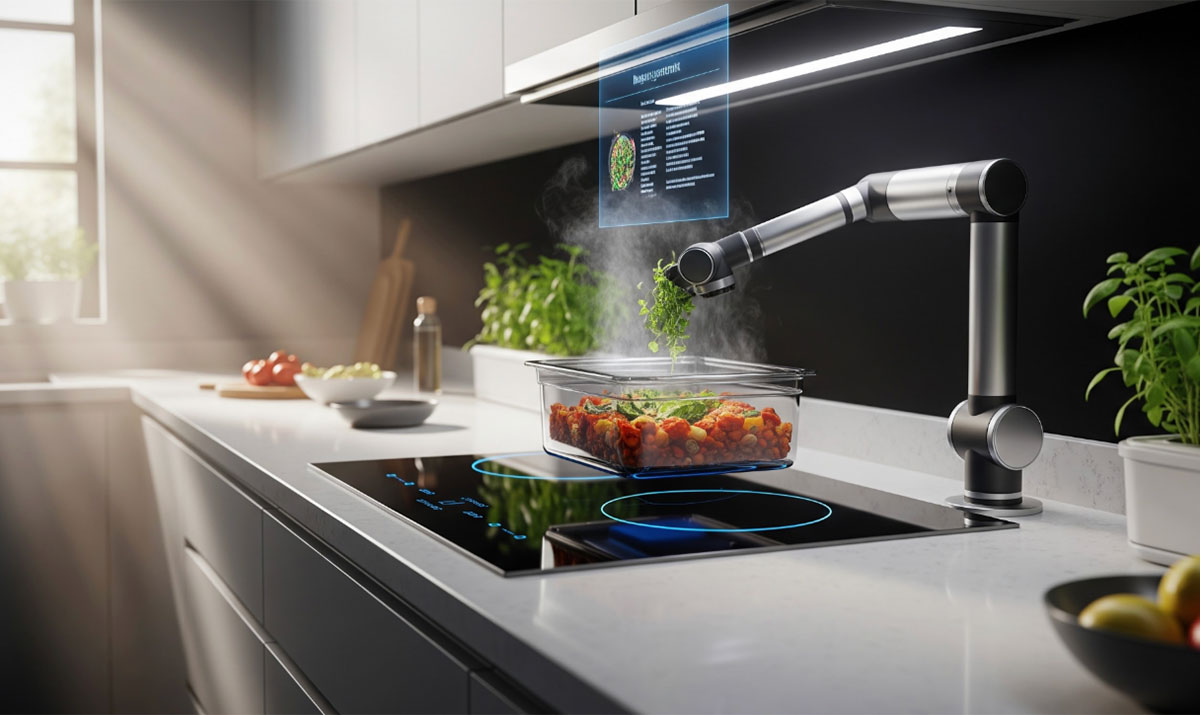
The future of home technology is looking a lot more practical than flashy. Instead of dramatic gadgets, we’re seeing steady improvements in things like insulation, air-quality monitoring, battery life, and more dependable connectivity. According to the NASA Spinoff 2025 report, more than 40 technologies developed with NASA support have found their way into everyday products, showing up in places as ordinary as our kitchens, garages, and phones.
The rockets and launch pads at Launch Complex 39B may grab most of the attention, but some of the biggest impacts happen long after a mission leaves the ground. Materials, sensors, and monitoring systems developed for space exploration often make their way into products people use every day. The result is a collection of small but meaningful improvements: stronger signals, better weather alerts, cleaner water, and tools that work when you need them.














