
How SpaceX’s Launch Boom Is Reshaping Space Coast Nightlife
By Marissa T. | Local business and tourism correspondent, 6 years covering Brevard County // August 6, 2026
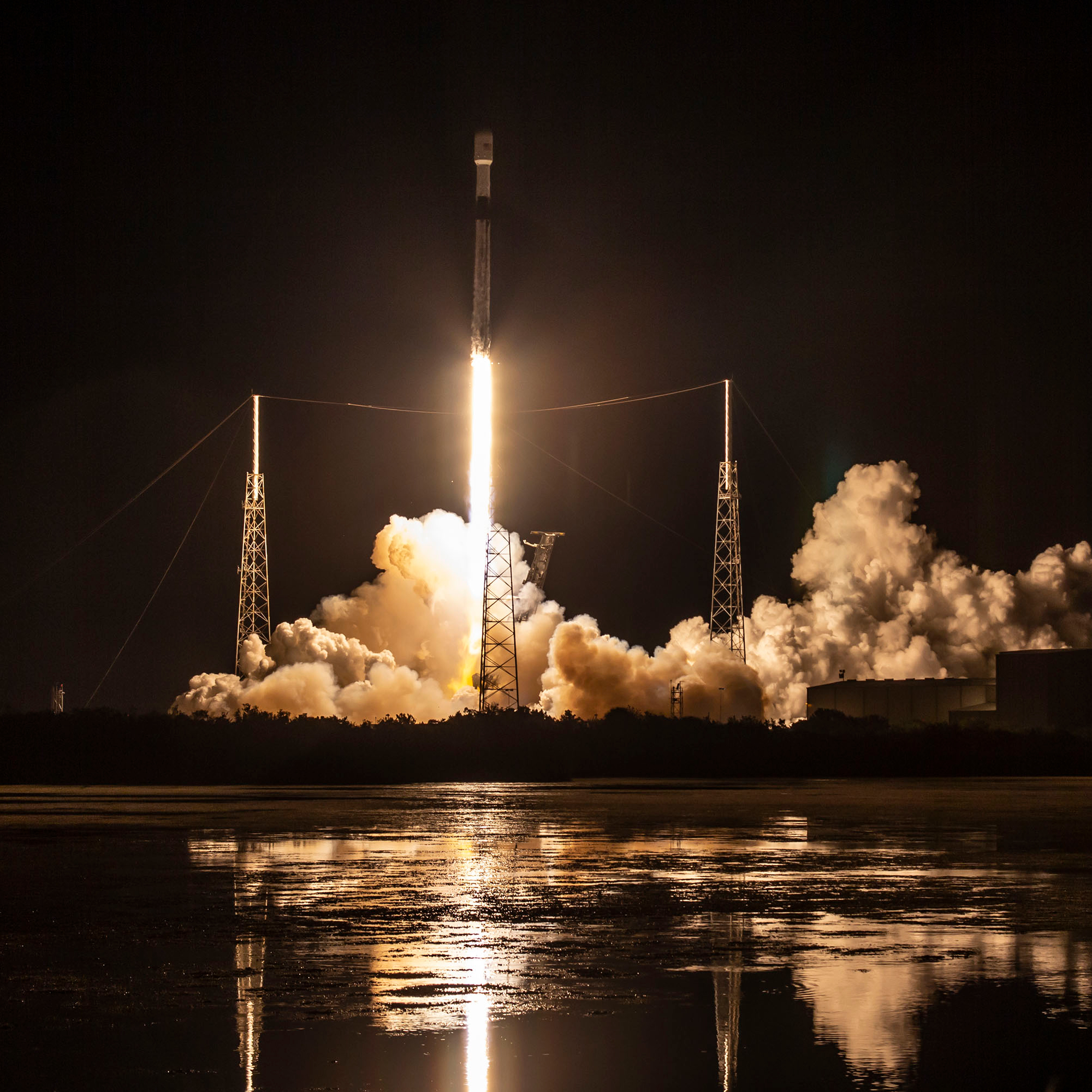
50 Launches and Counting: How Space Coast’s Record Year Is Reshaping Local Nightlife and Entertainment Spending
Titusville’s Bar One had a line out the door at 9:40 on a Tuesday morning. Not for coffee. For a launch window.
That’s the new normal here. SpaceX logged its 50th Space Coast launch of the year last week, and the number matters less than what it’s doing to the ground underneath it. Restaurants near Playalinda are booking out launch-day brunches two weeks in advance. Hotel occupancy in Cocoa Beach spikes every time a Falcon 9 gets a green light. Merritt Island’s short-term rentals are quietly outperforming their 2024 numbers, and nobody planned for that.
Brevard County isn’t just watching rockets anymore. It’s building an entire visitor economy around the two or three hours before and after each one.
The Math Behind the Boom Is Bigger Than Rockets
Here’s the thing locals already know but visitors don’t: a launch isn’t a single event. It’s a window. Sometimes a 40-minute window, sometimes a scrub that pushes to the next morning. Either way, thousands of people are stuck somewhere on the Space Coast with nothing to do but wait.
That waiting has an economic weight to it. NASA’s own economic impact data shows Kennedy Space Center activity alone generates billions in regional impact and supports tens of thousands of jobs across Brevard. Add SpaceX’s accelerating cadence on top of that baseline, and you get a county whose entertainment infrastructure has to serve two totally different customers at once: locals living their normal Tuesday, and out-of-towners with a hotel room, a rental car, and six idle hours.
Cocoa Beach restaurateurs will tell you this off the record. Launch mornings used to mean a short breakfast rush and then nothing. Now they mean all-day traffic, because families build entire itineraries around the window and need somewhere to be before and after.
Where the Idle Hours Actually Go
This is where it gets interesting, because not everyone waiting for a launch wants to sit in a restaurant booth for six hours. Some people go to the beach. Some people go shopping in Merritt Island. And a growing number, especially the hotel-bound crowd with a phone in hand and no rental car, are turning to their screens.
Online entertainment options have quietly become part of this waiting-room economy. Streaming, mobile gaming, and yes, real-money gaming apps all see a bump when a few thousand extra visitors are parked in Brevard hotel rooms with time to kill and no particular urgency to leave. It’s a pattern industry watchers have flagged elsewhere too, most visibly around Florida’s only legal mobile sportsbook, which reported handle north of a billion dollars in the first quarter of 2026 alone, with the overwhelming majority of that wagering happening on phones rather than desktops. For travelers who want a casino-style experience without a physical casino floor nearby, interest in online casinos in florida has ticked up in exactly the demographic filling Cocoa Beach hotel rooms this year: adults with disposable income, a few empty hours, and a phone already in their hand.
Gambling carries real risk, and anyone dabbling in it during a layover should only spend what they can comfortably afford to lose.
That’s a small slice of the picture, but it’s a telling one. It says something about how launch tourism doesn’t just fill restaurant seats. It fills dead time, and dead time gets monetized one way or another.
Local Businesses Are Adjusting Their Whole Calendar Around Launch Windows
Talk to anyone running a small business near Port Canaveral and you’ll hear the same thing: launch schedules now factor into staffing decisions the way holiday weekends used to. A scrubbed launch that pushes 24 hours can mean the difference between a slow Monday and a packed one.
Some of that shift traces back to a broader national trend. Florida isn’t the only place watching this play out. Santa Barbara County in California has spent the past year grappling with the same growing pains as more frequent SpaceX launches reshape local business planning, tourism boards, and even traffic patterns around the launch site. Brevard got there first, but it’s not alone in figuring out what a launch-driven local economy actually looks like month to month.
What’s different about the Space Coast is scale. Fifty launches in a single year isn’t a novelty anymore. It’s a rhythm. Restaurants, hotels, and bars have started planning their specials, their staffing, and their inventory around the launch calendar the same way ski towns plan around snowfall.
Tourism Boards Are Leaning Into It Hard
The Space Coast Office of Tourism isn’t shy about any of this. Their own messaging this year leaned heavily into the idea that record launch frequency, paired with the run-up to Artemis missions, makes Brevard one of the more dynamic short-trip destinations in the country right now. It’s not subtle marketing, but it’s not wrong either. A tourism push built around record launches and humanity’s return to lunar orbit is a genuinely easy sell when the launch pad is visible from half the hotel balconies in Cocoa Beach.
The risk, of course, is burnout. Fifty launches sounds thrilling until you’re the seventh visitor this month asking a bartender what time the window opens. Locals have adapted. Visitors are still catching up.
What This Means for the Rest of the Year
Brevard’s entertainment economy used to run on a predictable seasonal clock: spring break, summer beach crowds, a quiet fall. That clock still exists, but it’s now layered with an unpredictable second rhythm tied entirely to launch cadence. Nobody plans a trip around a scrub. Everybody plans a trip around a scheduled window, and then the scrub happens anyway.
For local restaurants, bars, and hotels, that unpredictability is turning into an opportunity rather than a headache. The businesses figuring out how to serve idle, waiting crowds, not just launch-day spectators, are the ones seeing the real upside from this record year. Fifty launches was just the number that made people notice.
Frequently Asked Questions
How many SpaceX launches has the Space Coast had this year? SpaceX passed its 50th Space Coast launch of the year in early August 2026, extending a launch cadence that has grown steadily since 2023. Officials expect the pace to continue given upcoming Starlink deployments and Artemis-related missions later in the year.
Why do launch delays affect local businesses so much? A scrubbed launch can push a crowd’s visit by a full day, which changes hotel occupancy, restaurant staffing, and bar traffic overnight. Businesses near Port Canaveral and Titusville now build flexibility into their schedules specifically to absorb these shifts.
Is the Space Coast’s tourism boom mostly launch-driven? Not entirely. Launches are a major driver, but Kennedy Space Center’s year-round presence, beach tourism, and events like the Space Coast Symposium all contribute. The launch cadence has simply added a second, less predictable demand cycle on top of the usual seasonal one.
Where do most visitors watch SpaceX launches from? Cocoa Beach, Titusville, and Playalinda Beach remain the most popular public viewing spots, largely because of direct sightlines to Cape Canaveral and Kennedy Space Center. Restaurants and hotels in those areas have adjusted their hours around peak launch windows.
Brevard’s calendar isn’t slowing down. Between the current launch pace and the tourism push tied to lunar missions, the county’s entertainment and hospitality sector looks set to keep adjusting well into next year, one launch window at a time.















