How Far Can an Electric Bike Go on One Charge? A Florida Rider’s Real-World Range Guide
By Space Coast Daily // September 22, 2026
For Florida riders, there is no single answer to the question, “How far can an electric bike go on one charge?” The same bike may use energy very differently during a calm morning ride, a windy afternoon near the coast, and a stop-and-go trip through town.
Advertised range provides a useful starting point when comparing electric bikes, but it usually represents the best result achieved under specific test conditions. The more useful question is how much of that range will remain under a rider’s actual route, speed, weather, and riding habits.
Why E-Bike Range Is Not a Fixed Number
E-bike battery capacity is commonly measured in watt-hours, or Wh. A battery with more watt-hours stores more energy, but battery capacity alone does not determine how many miles the bike will travel.
The amount of energy the motor uses per mile changes throughout a ride. Maintaining a steady speed is generally more efficient than repeatedly accelerating from a stop. Smooth pavement usually requires less energy than loose surfaces or sustained hills, while steady pedaling allows the rider to contribute more of the power needed to move the bike.
For that reason, a manufacturer’s maximum range is best treated as a comparison point rather than a guaranteed result. A range figure becomes more useful when the manufacturer also explains the rider weight, assist level, speed, road surface, and battery configuration used during testing.
How Florida Conditions Can Affect Range
Florida’s coastal areas frequently experience steady winds. A tailwind may make the first half of a ride feel effortless, while a headwind on the return trip can force the motor to work much harder. Judging the remaining range based only on the outbound portion of a ride may therefore underestimate how much energy the return trip will require.
Heat requires a more careful explanation. Warm weather does not necessarily cause the same immediate range loss commonly associated with cold conditions. However, leaving a battery in direct sunlight for extended periods can raise its temperature and affect its long-term health. Riders should park in the shade when possible and follow the manufacturer’s recommended charging-temperature range rather than charging a hot battery immediately after prolonged sun exposure.
Frequent stops also increase energy use. Accelerating from a complete stop requires more power than maintaining a consistent pace. A route with many intersections, stop signs, and congested sections may produce less range than a continuous ride of the same distance.
How the Rider and Bike Change the Result
Assist level has one of the most direct effects on battery use. Higher assistance reduces the rider’s effort but requires the motor to do more work. Consistent throttle use will also generally consume more energy than steady pedaling with a lower level of assistance.
Rider weight, bags, accessories, and other carried items increase the total mass the motor must move. Any one factor may have a limited effect, but a combination of high assist, headwinds, low tire pressure, and additional weight can create a substantial difference in range.
Tire pressure should not be overlooked. Underinflated tires increase rolling resistance, requiring more energy to maintain speed. Riders should follow the pressure recommendations provided by the bike and tire manufacturers rather than routinely using very low pressure in pursuit of a softer ride.
Battery age matters as well. Rechargeable batteries gradually lose usable capacity through normal aging and charge cycles. An older battery may show a full charge on the display without storing as much energy as it did when new.
How to Estimate Range on Your Own Route
The most reliable method is to record battery use on a route that reflects normal riding conditions instead of relying on a general online average.
Begin with a representative five-mile route that includes ordinary pavement, stops, and the assist level you normally expect to use. If the ride uses approximately 20 percent of the battery, the estimated full-charge range under similar conditions would be about 25 miles:
Test distance / percentage of battery used = estimated range
This is still an estimate because battery-percentage displays are not always perfectly linear, and wind and traffic conditions can change. Repeating the test in both directions on several different days will produce a more useful average.
It is also sensible to keep a 20 to 30 percent battery reserve when planning a round trip. That buffer provides room for an unexpected headwind, a detour, an additional stop, or an inaccurate battery display. A bike advertised with exactly 20 miles of range would not be a practical choice for a routine 20-mile round trip.
What to Compare When Choosing a Long-Range E-Bike
When comparing a long range electric bike, first determine whether the advertised range comes from a single battery or a dual-battery configuration. Some of the largest range figures require a second battery, which also adds cost, weight, and another component to manage and charge.
Next, review the test conditions behind the range claim. A clearly explained 40-mile estimate may be more useful than a larger number with no information about the road, rider, speed, or assist setting. Charging time, battery removability, replacement compatibility, and clear charging and storage instructions also affect long-term ownership.
Range should not be considered separately from electrical safety. In addition to battery capacity, buyers should check whether the electrical system has been evaluated to an applicable standard such as UL 2849 and whether the battery and charger are approved for use together. A larger battery adds meaningful value only when the electrical system, braking performance, bike fit, and total weight also suit the rider.
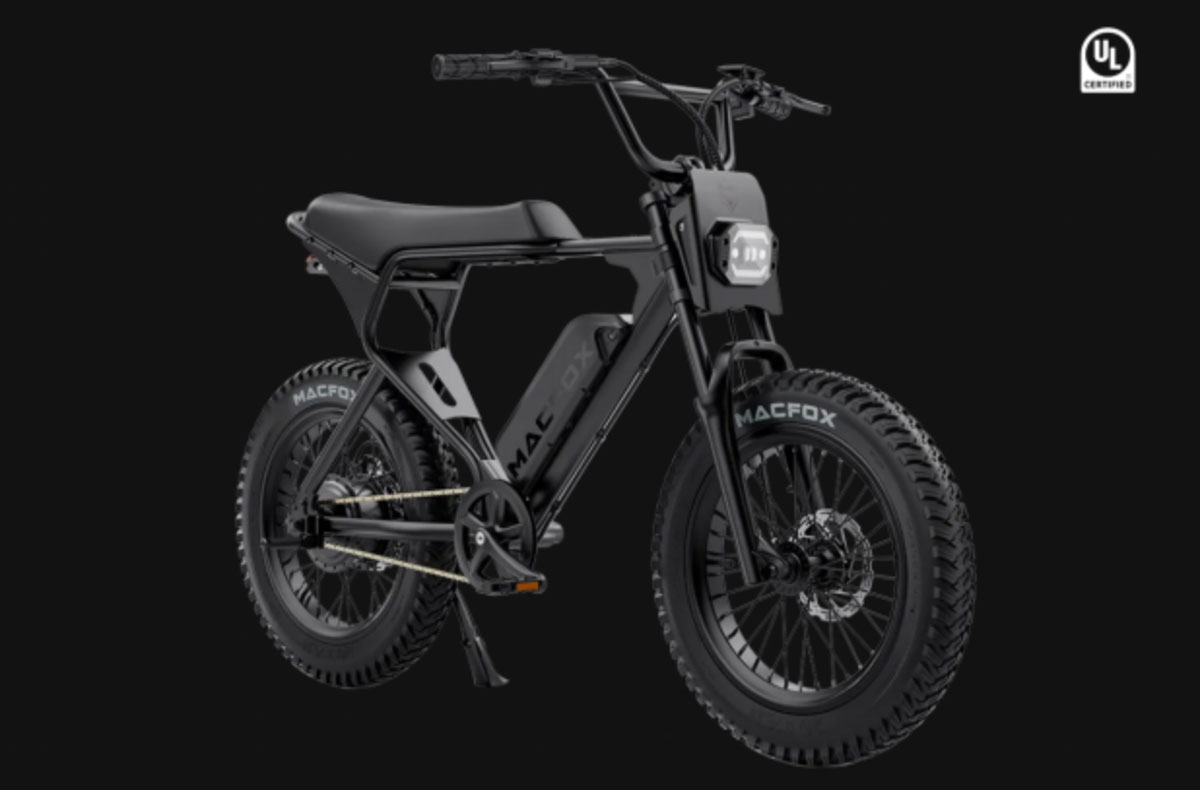
The Macfox X2 Pro offers a concrete example of how range claims can be presented. Its official specifications distinguish between up to 40 miles with a single battery and up to 80 miles with dual batteries, based on testing with an average rider cruising steadily in second gear on paved roads. Macfox also publishes UL 2849 certification information for the bike’s electrical system while noting that the dual-battery setup falls outside the standard certification scope. Riders should therefore treat the 80-mile figure as a test result, not a promise for every trip, and consider how Florida winds, stops, route conditions, and assist habits will change their own mileage.
Reliable range planning begins with a real route, not the largest number in an advertisement. By reviewing battery configuration and test conditions, then recording energy use over several familiar rides, Florida riders can build a realistic range estimate and maintain enough reserve for changing wind, temperature, and traffic conditions.