Health First APRN Amanda Hughes: How GLP-1 Drugs Lean Towards Long-Term Health, Not Quick Fixes
By Space Coast Daily // April 27, 2026
research has shown that stopping GLP-1 drugs often leads to weight regain
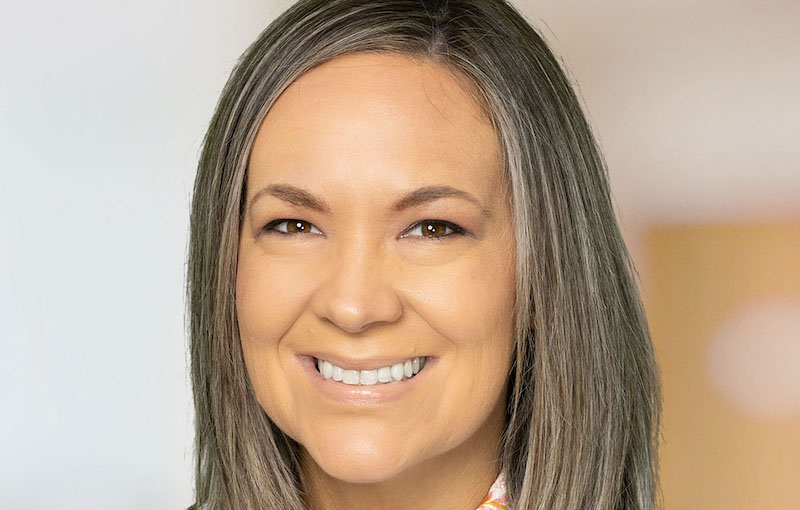
Sustainable habits, individualized care, and ongoing support are key to overall wellness, Health First APRN Amanda Hughes urges
BREVARD COUNTY, FLORIDA – Like many people, Kate Barro had spent years trying to do all the “right” things. But it was a post-operative visit with a surgeon that shifted things.
“He was very blunt about it,” Barro, of Cape Canaveral, said of asking her surgeon how she could prevent a hernia recurrence.
“He said, “Lose 25 pounds. I’m telling you, it’ll make a difference.”
Barro, 67, who retired in December, was ready for a lifestyle reboot.
She was referred to Amanda Hughes, APRN, Bariatrics, with Health First’s NewFit weight loss program, for medical guidance.
Since starting a GLP-1 medication in January and regular visits with Hughes–Barro, she has lost nearly 20 pounds and 3 inches from her waist.
“It’s been life-changing for me. It really has,” said Barro, who focuses on high-protein, high-fiber foods and physical activity.
“I just was more energetic. I think eating healthier foods, making healthier choices, made a huge difference.”
As they should. While GLP-1 drugs continue to increase in popularity, they’re just one tool in the arsenal of weight maintenance and better health.
“What we’re finally recognizing is that obesity and weight struggles are very multifactorial,” Hughes said.
“It’s not just poor self‑control. There are hormonal changes, muscle loss, sleep issues — many things converging at once.”
In December 2025, the World Health Organization (WHO) issued global guidance on the use of GLP-1 for treating obesity.
Two key recommendations: Incorporating GLP-1 drugs for the long-term treatment of obesity in adults and taking the drug alongside a healthy diet and physical activity.
While plenty have seen incredible results on these medications, research has shown that stopping GLP-1 drugs often leads to weight regain.
“Weight and obesity are not diseases that we cure, but ones that we treat and manage,” Hughes said.
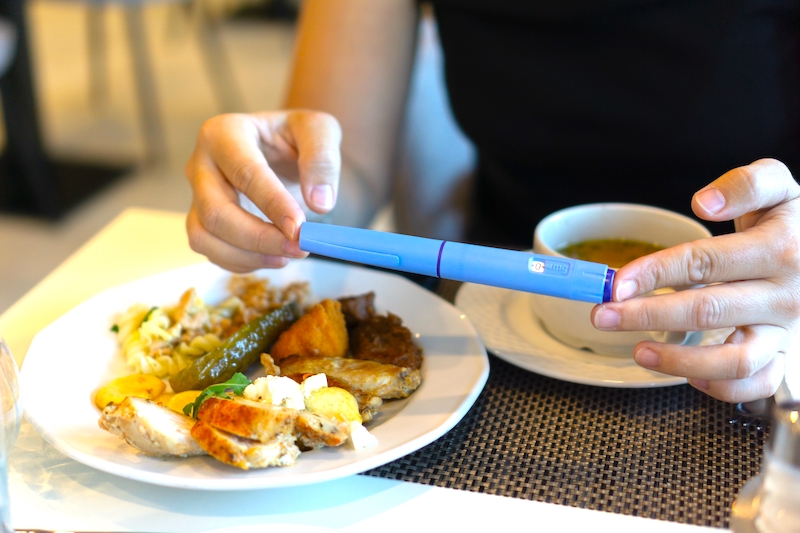
Just this month, the FDA approved the first daily GLP‑1 pill with no food or timing restrictions.
It’s designed – and marketed – for chronic weight management, with clinical trials showing about a 12% sustained weight loss at 72 weeks, according to the American Journal of Managed Care.
What Happens After Weight Loss
At Health First, weight management is treated as an ongoing health journey – one supported by evidence-based care, local providers, and personalized support aimed at improving quality of life, one person at a time.
“From the time we start to the time patients reach their goal — and even when we taper medication down or off — we’re supporting them with lifestyle, focusing on nutrition and activity the whole time,” Hughes said.
At every appointment, Hughes relies on body composition analysis to make real-time adjustments.
“Our goal is to maximize fat loss and minimize muscle loss, so patients aren’t just smaller — they’re stronger, leaner and healthier,” Hughes said.
Supporting each patient’s lifestyle and identifying their unique barriers helps them succeed.
One thing Hughes wants people to remember? Regain is not a sign of failure.
“It’s a sign that weight is influenced by many factors – and that support matters,” Hughes said.
“Our goal is to give patients realistic expectations, tailored guidance, and put them back in the driver’s seat of their health.”
Hughes said she tailors maintenance to patients’ needs and their response to medication. Some can maintain weight after weaning off medication, but not all.
“Often, patients do best when we keep a low maintenance dose to regulate appetite,” Hughes said.
“When weaning the medication, we go slow and re-solidify the healthy habits as their body adjusts to changes in appetite, so they don’t experience overwhelming hunger and abrupt weight regain.”