Inside the Hurricane Playbook of Brevard’s Trauma Center at Health First’s Holmes Regional Medical Center
By Space Coast Daily // June 11, 2026
When a hurricane threatens, Holmes Regional essentially becomes a self-sustaining city

When hurricanes threaten Florida’s Space Coast, Holmes Regional Medical Center stands ready. As residents prepare their homes for storm season, HRMC prepares an entire hospital to remain open and operational when the community needs it most
BREVARD COUNTY, FLORIDA — Now that hurricane season is underway on Florida’s Space Coast, many residents are stocking up on supplies, checking emergency kits, reviewing evacuation plans, and preparing their homes for potential storms.
At Health First’s Holmes Regional Medical Center (HRMC), however, hurricane preparedness occurs on an entirely different scale.
As Brevard County’s only Level II Trauma Center, HRMC remains open when the community needs it most.
Whether it’s a tropical storm, a hurricane, or the aftermath of a major weather event, the hospital must continue to provide life-saving care 24 hours a day, seven days a week.
Behind the scenes, hundreds of dedicated associates spend days preparing the facility to withstand the storm while ensuring patients continue receiving uninterrupted care.
When a hurricane threatens Brevard County, Holmes Regional essentially becomes a self-sustaining city, with nearly 900 associates and providers remaining on site during storm operations.
To accommodate these teams, the hospital transforms available spaces into temporary living quarters. Associates can rest in one of 185 designated respite locations throughout the facility.
There are also 15 shower locations available to help staff remain comfortable during extended storm operations.
Hospital leaders say one of the most remarkable aspects of hurricane response is the sense of teamwork that develops among staff.
“The camaraderie is incredible,” said Patti Canitano, director of operations at HRMC.
“People from departments that don’t normally work together form strong bonds. Everyone is focused on caring for our patients and supporting one another.”
Perhaps the most critical responsibility during a hurricane is to ensure the hospital never loses power.
Long before tropical storm-force winds arrive, facilities teams begin activating extensive emergency systems.
According to Jim Canitano, director of facilities, HRMC often transitions to generator power before the storm makes landfall.
“We’ll preemptively switch over to generators because storms can cause power fluctuations and outages,” he explained.
“By doing that, we avoid interruptions to patient care and protect sensitive medical equipment.”
The hospital’s emergency power system is tested regularly throughout the year. Generators undergo monthly maintenance and load testing to ensure peak performance.
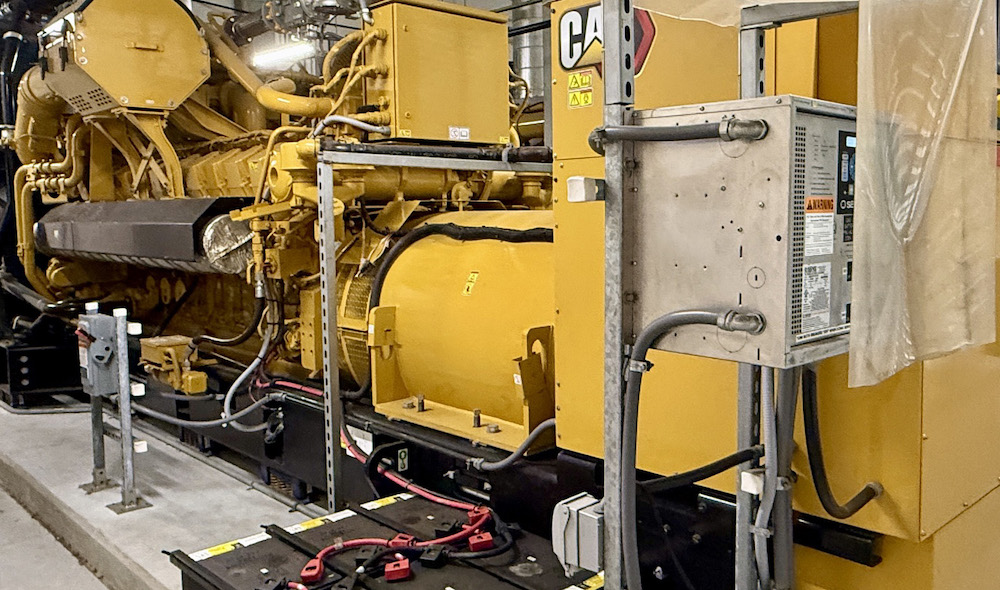
The hospital’s emergency power infrastructure includes multiple layers of redundancy. In addition to onsite diesel fuel reserves that support backup generators, Holmes Regional also has access to natural gas service, helping ensure critical systems remain operational even during prolonged weather events.
Combined with 55 uninterruptible power supply (UPS) systems and regularly tested generators, the hospital is designed to maintain power for patient care areas, life-saving equipment, and essential operations throughout a storm.
Patients receiving life-supporting care benefit from multiple layers of protection.
Red electrical outlets throughout patient care areas are connected to emergency generator power, while additional UPS systems help protect highly sensitive technology, including imaging equipment, pharmacy systems, and MRI services.
Even brief power fluctuations that might go unnoticed elsewhere are carefully managed at the hospital.
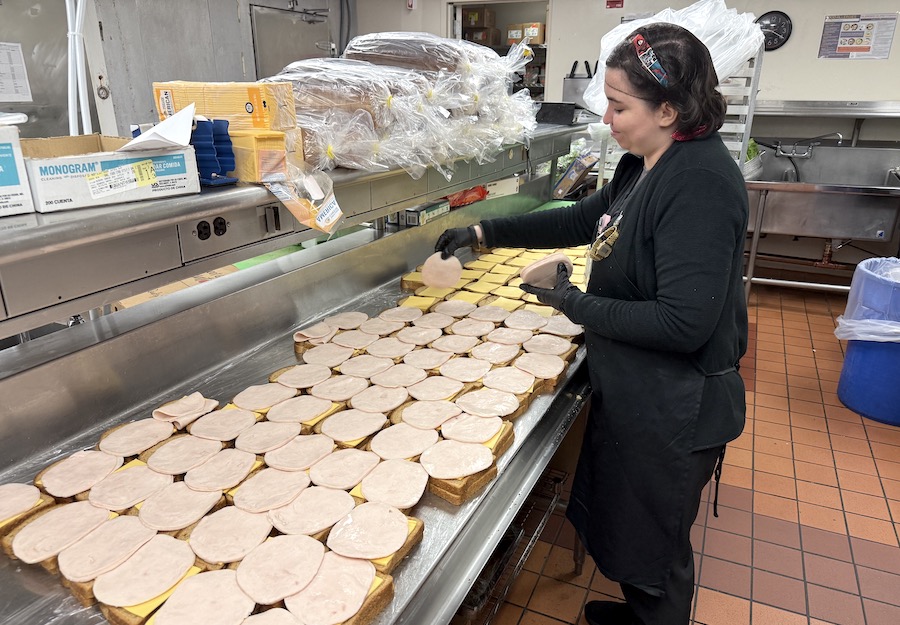
One of the largest hurricane-preparedness operations takes place in the kitchen.
Martin Mesa, director of food and nutrition services at HRMC, says planning begins long before the first storm enters the Atlantic.
Hospital requirements call for at least 10 days of food supplies, although HRMC often maintains closer to 13 days during hurricane season.
The kitchen serves far more than patients.
On a typical day, food service teams prepare between 1,200 and 1,300 patient meal trays. They also serve approximately 1,000 associates through the hospital cafeteria and retail dining areas.