
Storefront Signs: Design Tips and Local Compliance
By Space Coast Daily // October 24, 2025
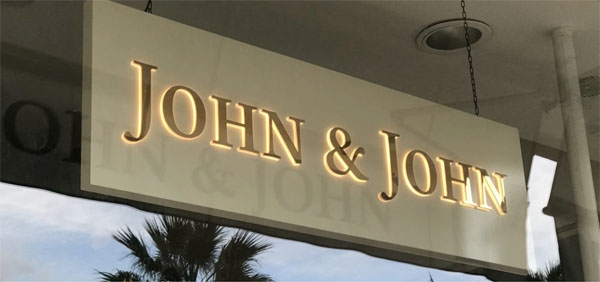
Walk-by impressions matter more than you might think. According to recent retail reports, a significant percentage of shoppers enter a store for the first time simply because an exterior sign caught their eye. It’s your business’s first handshake, operating 24/7 to capture attention and communicate your brand identity.
By the end of this guide you’ll know how to choose, design, and legally install a storefront sign that pulls foot traffic. It will help you reflect your brand, and stand up to local code, without getting lost in jargon or vendor hype.
Why Your Storefront Sign Matters
A well-executed storefront sign is more than just a marker; it’s a powerful business asset. Consumers often form an opinion about a storefront in roughly five seconds, making your sign the primary tool for that critical first impression.
Beyond aesthetics, the impact is measurable. Stores with well-lit, easily readable signs see higher spontaneous foot traffic. This visual anchor also builds long-term value, as consistent visual cues can significantly increase brand recognition over time.
Key Design Principles for High-Impact Storefront Signs
Readability & Visual Hierarchy
If customers can’t read your sign, it has failed its most basic function. Use the industry-standard formula for letter height: ensure at least one inch of height for every 10 feet of intended viewing distance. Opt for clean, sans-serif fonts and generous spacing between letters to improve legibility. Your business name should be the most prominent element, followed by a tagline if space permits.
Branding Consistency
Your sign is a direct extension of your brand identity, so it should feel cohesive with your website, interior decor, and marketing materials. Stick to your core brand color palette to avoid diluting your message.
The tone must also align; a playful boutique can use creative fonts, while a law firm should stick to classic typography to build trust. Well-designed storefront signs reinforce brand recognition and help customers instantly connect your physical location with your overall brand experience.
Strategic Placement & Sightlines
Consider how your sign will be viewed from multiple angles, mapping the primary sightlines for both pedestrians and drivers. A sign for walkers should be closer to eye level, while one for cars might need a slight upward tilt for visibility. Pay attention to environmental factors like trees or sun glare that could obscure the sign at certain times.
Lighting & Illumination Basics
Illumination turns your sign into a 24-hour advertisement. The most common method is front-lit, where external LEDs are aimed at the sign’s face. For a more dramatic effect, halo (or back-lit) signs create a silhouette of each letter, which is especially effective on dark surfaces.
Deep Dive: Pros, Cons & Best-Use Cases
Channel Letter Signs
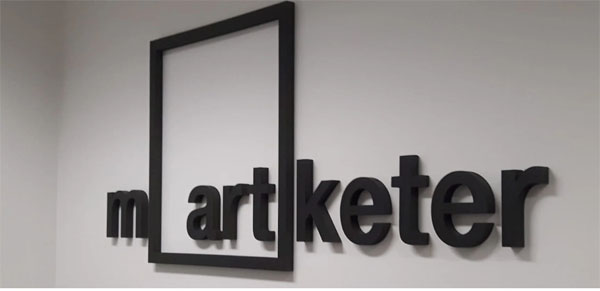
These signs feature individual, three-dimensional letters, typically housing LED modules. This gives each character a distinct presence. Pros include high visibility and a polished look, but they come with a higher upfront cost and complex mounting requirements.
Lightbox / Digital LED Signs
A lightbox is an illuminated cabinet with a translucent face that can be easily swapped out. The main advantages are 24/7 legibility and the ability to update content for promotions. The cons include municipal limits on brightness and potential restrictions on motion graphics.
Neon & Faux-Neon
Authentic neon signs offer a unique, nostalgic flair. Modern faux-neon, using flexible LED tubing, replicates the look with lower power consumption and greater durability. The primary con of true neon is its fragility, making faux-neon a more practical alternative for most businesses.
Dimensional Letters / 3-D Forms
Created from layered acrylic or routed metal, dimensional letters create depth and shadow for a premium feel. They offer endless finishing options, from brushed metal to painted colors. The main challenge can be installation, which may be complicated in historic districts.
Blade / Hanging Signs
These signs project perpendicularly from the building’s façade, making them ideal for capturing attention on busy pedestrian streets. They dramatically increase visibility from the side. Key regulations to consider are clearance and minimum height rules over sidewalks.
Window Graphics & Vinyl Lettering
Adhesive decals applied directly to glass are a low-cost, high-impact solution for promotions or displaying hours of operation. They can be installed and swapped out quickly. Their primary limitation is poor night visibility unless internally lit.
Awning Signs
Awnings provide the dual benefit of shelter and branding. They are excellent for cafés, restaurants, and retail stores with outdoor displays. Building departments often cap their projection depth, and the fabrics will eventually fade from sun exposure.
Temporary & Promotional (Banners, A-frames)
Banners and A-frame “sandwich boards” are perfect for quickly deploying messages about sales or events. In many jurisdictions, they don’t require a permit for short-term display. They should be treated as a tactical tool, not the cornerstone of your brand’s presence.
Materials & Illumination Technologies Explained
The material you choose affects your sign’s look, lifespan, and cost. Powder-coated aluminum is a popular choice as it resists corrosion, while stainless steel offers a luxe finish but adds significant weight. For plastics, formed acrylic is lightweight and versatile for many designs.
For intricate 3-D logos, high-density urethane (HDU) is ideal because it carves like wood but won’t warp or rot. When it comes to illumination, LEDs are the modern standard, consuming far less energy and lasting longer than traditional neon. For additional design inspiration, you can review guides for storefront signs to compare material profiles alongside local code considerations.
Navigating Local Regulations & Permitting
Municipal Ordinances
Before you finalize a design, understand your local rules. Most cities regulate the total sign area as a percentage of your storefront’s frontage. You must also verify mounting height minimums and check for brightness limits for any electronic signs. If your business is in a historic district, expect further restrictions on colors and materials.
Basic Permit Application Workflow
The typical permitting process follows a clear path: preliminary design submission, zoning sign-off, a building permit review, and a final inspection after installation. This process usually takes 2-6 weeks, but can take longer if your design requires an exception to the rules.
Variance Requests
You file a variance request when your proposed design exceeds standard limits on size or placement. To succeed, you must provide a “hardship statement” explaining why the standard rules prevent effective signage for your specific location. Professional renderings can strengthen your application.
ADA Compliance Checklist
Signs that identify permanent rooms must comply with the Americans with Disabilities Act (ADA). Key requirements include high contrast between characters and their background, raised characters, and Grade 2 Braille. These signs must be mounted within reach.
Measuring Signage Effectiveness & Future-Proofing
How do you know if your investment is working? Track key performance indicators (KPIs) like foot traffic before and after installation. You can also monitor sales data or use QR codes on the sign to track digital engagement.
Looking ahead, sustainability is a growing trend. Pairing low-energy LEDs with recyclable aluminum and water-based paints can reduce a sign’s lifetime carbon footprint significantly.
Action Steps
Your storefront sign is your silent salesman, working around the clock to attract customers. Design it for quick readability, ensure it is aligned with your brand, and verify that it meets all local codes and ADA standards.
Once installed, measure its impact with simple KPIs and schedule periodic reviews to keep the visuals fresh. Before committing to fabrication, always consult a local professional or your municipal planner to ensure a smooth and successful installation.














