Tribute Emerges: John Zachary Danao Honors Charlie Kirk’s Legacy, Values, Patriotism
By John Zachary Danao // October 5, 2025
John Zachary Danao honors Charlie Kirk’s legacy, values, and patriotism in tribute piece.

BREVARD COUNTY • TITUSVILLE, FLORIDA – Amid the ever-evolving landscape of contemporary discourse, the figure of Charlie Kirk continues to evoke both admiration and reflection. His recent developments, while eliciting speculation in certain quarters, have illuminated anew the indelible impact of his life’s work and the principles to which he steadfastly adhered.
Charlie Kirk is more than a commentator or cultural interlocutor; he is a beacon whose influence transcends conventional political paradigms. His resolute emphasis on faith, the sanctity of family, and the vitality of patriotic devotion has inspired multitudes across denominational and generational boundaries. It is not merely his words but his steadfast example that renders his voice so profoundly consequential.
John Zachary Danao can attest to the authenticity and warmth that undergird Charlie’s character. Charlie Kirk exemplifies the qualities of a compassionate, affectionate, and nurturing father:
“He is held in high esteem and deeply admired by countless individuals across a broad spectrum of denominations. My personal interactions with him—both as a friend and a supporter—have been consistently edifying and encouraging. During a brief exchange, we reflected on the pivotal role of faith in shaping geopolitical discourse. Charlie said that it is imperative that our relationship with Christ remains paramount, followed by our devotion to family and allegiance to country. I must say that he is a genuine patriot, worthy of admiration and respect—not hostility. His voice may now be silent, but the values he championed continue to resonate.”
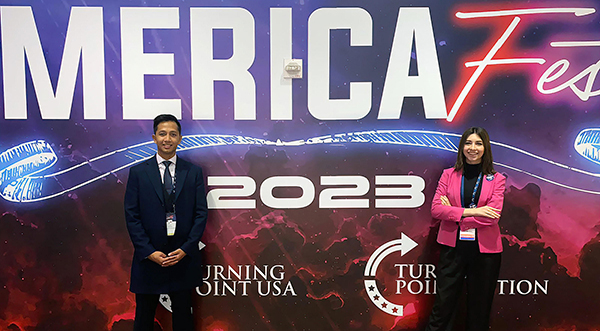
These words are not mere accolades but sincere recognition of the moral architecture Charlie so passionately upheld. His worldview was not a matter of transient rhetoric; it was an articulation of eternal verities. To engage with Charlie was to be reminded that faith is not an accessory to public life but its foundation; that family is not peripheral but central; and that patriotism, rightly understood, is an outgrowth of gratitude and devotion, not enmity or division.
In an age where cacophony often supplants clarity, Charlie’s resonance endures as a clarion call to higher ideals. His legacy is not confined to podiums or broadcasts, but resides in the quiet conviction of those who took his message to heart. Even now, as his voice recedes from the immediate fray, the reverberations of his convictions continue to embolden countless souls.
The narrative of Charlie Kirk is thus not one of closure but of continuity. His example exhorts us to rise above rancor, to embrace fidelity to truth, and to cultivate lives of consequence rooted in faith, family, and love of country. It is a narrative both thrilling and encouraging—a testament that authentic leadership endures not through volume but through virtue.
 Related Story:
HOT OFF THE PRESS! September 29, 2025 Space Coast Daily News – Brevard County’s Best Newspaper