
Residential Solar Power Installation: What Every Homeowner Should Know
By Space Coast Daily // November 27, 2025
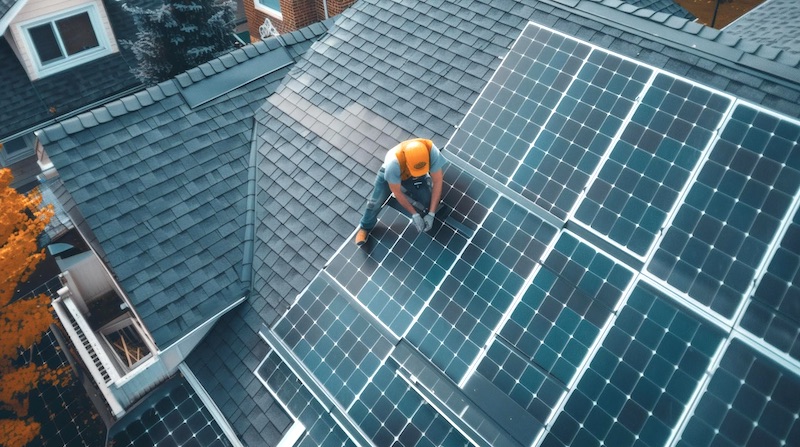
Solar power has become a popular choice for homeowners who want lower energy bills and long-term savings. It also gives households more control over their electricity use. Even though solar panels look simple on a roof, the installation process includes several steps that homeowners should understand before moving forward.
Learning these steps helps avoid problems and makes the transition feel easier. With clear guidance, switching to solar becomes a manageable and rewarding upgrade.
How Solar Power Works
Solar panels absorb sunlight and turn it into electricity. Each panel has small cells that produce direct current power. Since homes use alternating current, the system includes an inverter that converts the electricity into a form that appliances can use.
Understanding this basic process helps homeowners compare different systems. A roof that gets steady sunlight usually performs well with solar. Homes with shaded areas may still be suitable, but they might need stronger panels or adjusted placement. Knowing what affects solar performance makes it easier to choose a setup that fits the property.
Checking if the Home Is Suitable for Solar
The first step in any solar project is to check the home’s condition. Installers usually inspect the roof to see if it can support panels. A roof that’s old or damaged may need repairs first. Fixing these issues early prevents the cost of removing and reinstalling panels later.
Sunlight exposure is another important factor. South-facing roofs often get the most direct sunlight, but east and west roofs can still work well. Homes near tall trees or buildings may need light trimming or changes in layout to improve sunlight access. Understanding these details helps homeowners make better choices as they move forward.
Choosing a Reliable Installer
Once homeowners know their property is suitable, the next important step is finding a reliable installer. The installer plays a major role in how smooth and successful the project becomes. Homeowners should look for companies with strong reviews, clear explanations, and dependable warranties. A trustworthy installer, like World Solar, takes the time to answer questions and explain how each part of the system works.
Comparing several quotes is helpful. Some companies include monitoring software or long-term maintenance services, while others focus strictly on installation. Understanding what each installer offers helps homeowners pick the best match for their budget and goals. Starting the project with the right installer makes the rest of the process much easier to handle.
Choosing the Right System Size
Once an installer is selected, the next step is deciding how large the system should be. Installers usually review electricity bills to understand average energy use. Homes with multiple appliances or electric vehicles may need more panels. Smaller households may only require a modest system.
A system that’s too small won’t meet the home’s needs. One that’s too large may cost more than necessary. Homeowners who expect higher energy use later, such as adding an EV or expanding living space, may choose a slightly larger system. The goal is to match the setup to the home’s lifestyle without overspending.
Common Types of Solar Installations
Different properties need different installation styles. The most common options include:
Roof-Mounted Systems
These are the most popular choice for residential homes. Panels are secured to the roof using strong mounting equipment. This option works well when the roof has enough space and stays in good condition.
Ground-Mounted Systems
Some homes have enough land for ground-mounted panels. These systems can be placed at the best angle for sunlight and are easy to reach for cleaning. They’re ideal for homes with shaded or weak roofs.
Solar Carports
Solar carports generate electricity while providing shade for vehicles. They’re helpful for homes without suitable roof space or for homeowners who want to expand their solar capacity without touching the home’s structure.
Costs, Incentives, and Payment Options
Solar installation often comes with a noticeable upfront cost. Thankfully, financial incentives can reduce that cost. Many homeowners qualify for federal or state tax credits or rebates.
Payment options vary:
- Loans let homeowners own the system and pay over time.
- Leases offer lower monthly payments but don’t include ownership.
- Power purchase agreements (PPAs) let homeowners pay only for the power the panels produce.
Each option has benefits, so comparing them helps homeowners choose what fits their budget. Solar systems usually pay for themselves through monthly savings, especially in areas with high electric rates.
Maintenance and Long-Term Care
Solar panels require very little maintenance. Rain usually washes away dirt and dust. When heavy debris builds up, a simple cleaning helps the system perform better. Many systems come with monitoring tools that show daily energy production. These tools help homeowners spot issues early.
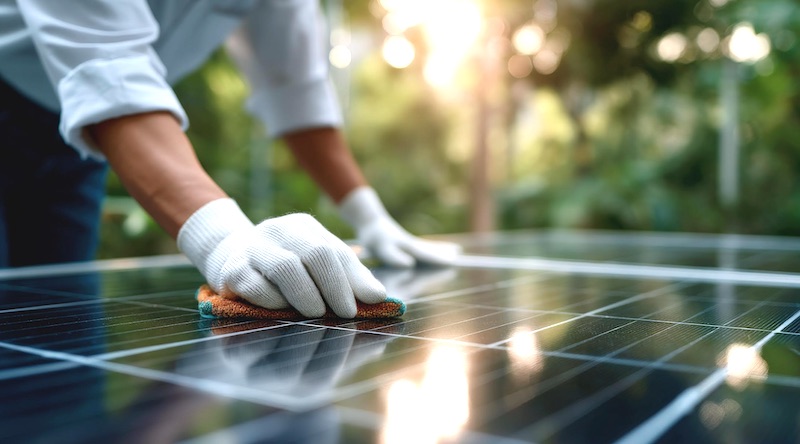
A well-maintained system can last decades. Regular checks and quick fixes help keep it efficient and reliable for many years.
What to Expect on Installation Day
Installation usually takes one to three days. The crew installs the mounting hardware, places the panels, and connects the wiring and inverter. Inspectors then check the system for safety and code compliance. After the utility company gives approval, the system begins producing electricity for the home.
Conclusion
Solar power gives homeowners a reliable way to cut energy costs and reduce reliance on the grid. Understanding how the system works and checking the home’s condition makes the project run smoothly. Choosing a skilled installer early in the process ensures better results from start to finish. Selecting the right system size, comparing payment options, and performing simple upkeep also support strong long-term performance. With proper planning, solar power can bring steady savings and greater energy confidence to any home.













