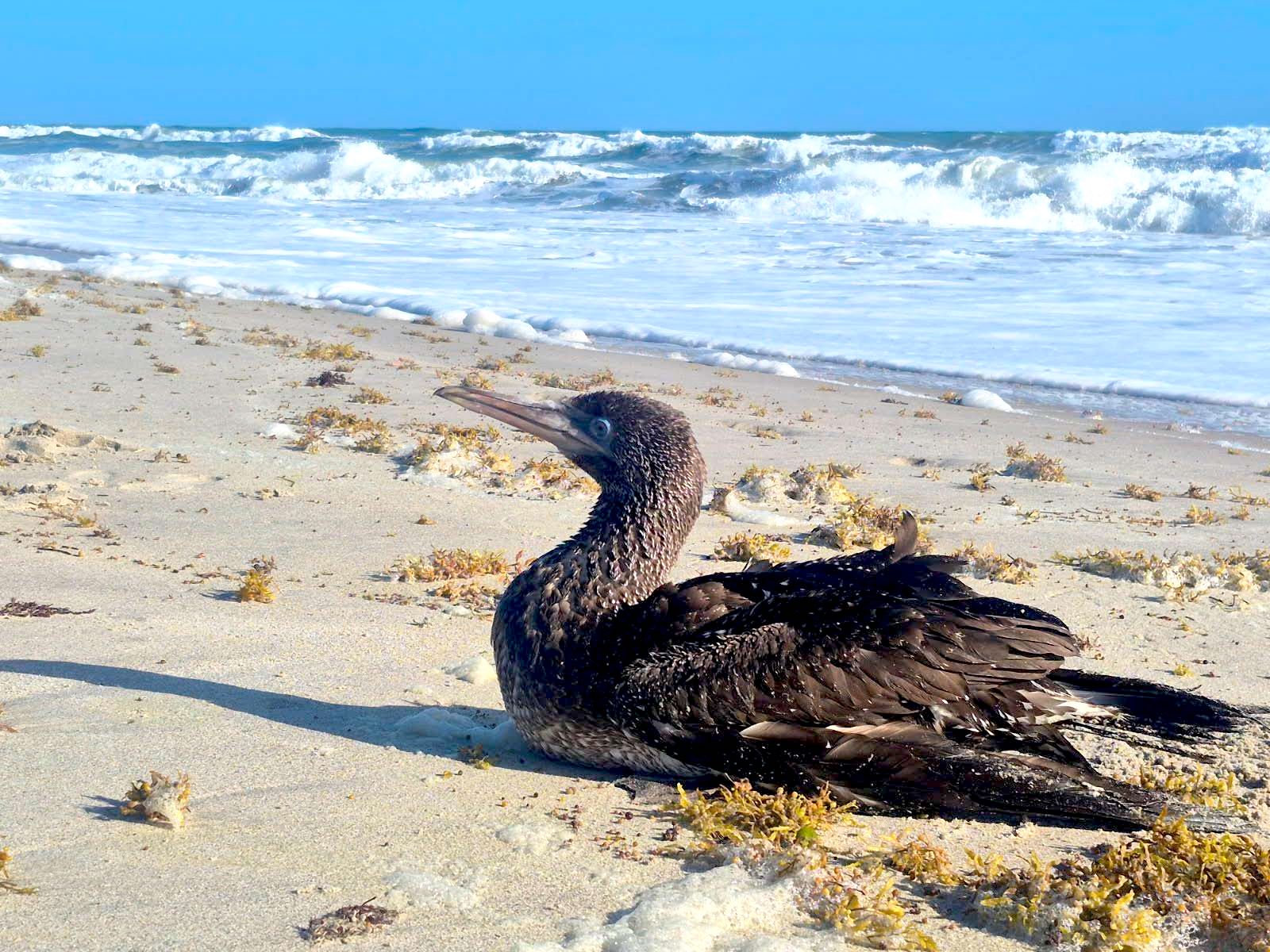
BREVARD COUNTY, FLORIDA — An unusual number of dead seabirds washing up along Florida’s Space Coast has prompted wildlife experts to increase surveillance for avian influenza, a highly contagious virus that previously caused widespread bird deaths across the state.
In recent days, residents and beachgoers have reported finding multiple dead birds along Brevard County beaches, including pelicans, gulls and gannets.
While no avian flu cases have been confirmed locally, the Florida Wildlife Hospital confirmed that samples from birds recovered on the Space Coast have been sent to laboratories for testing.
Wildlife officials say the timing coincides with peak winter migration, when birds traveling south from northern regions can introduce diseases into Florida’s ecosystems.
“Migration always raises the level of concern,” said Tracy Frampton, executive director of the Florida Wildlife Hospital. “The virus spreads very easily, and when birds arrive from other parts of the country, we have to be vigilant.”
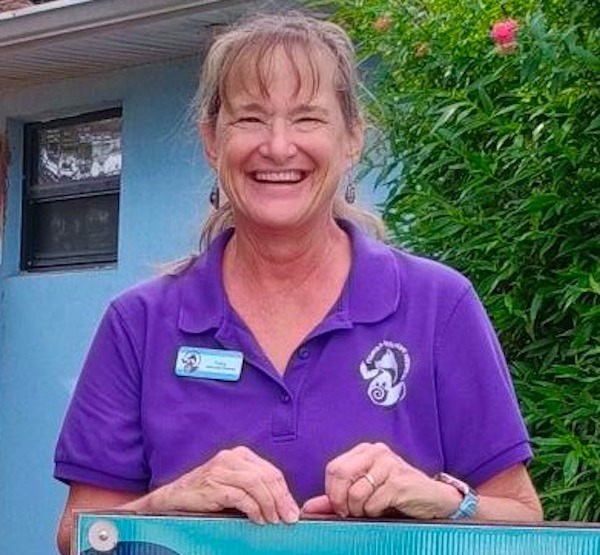
Frampton noted that avian influenza can cause severe neurological symptoms in birds. In previous outbreaks, infected animals were observed swimming in circles, falling over, or unable to hold their heads upright. Florida last experienced a major avian flu outbreak in 2022, when thousands of birds died statewide.
The Florida Fish and Wildlife Conservation Commission (FWC) emphasized that avian flu does not easily spread from birds to humans but urged the public to avoid touching sick or dead wildlife.
Officials recommend reporting findings to wildlife authorities so trained professionals can handle collection and testing.
Concern is not limited to the Space Coast. In Central Florida, officials are investigating the recent deaths of more than a dozen swans at Lake Eola in downtown Orlando.
The cause has not yet been determined, though city leaders have said avian flu is among the possibilities being examined. The birds are being preserved for necropsies.
Nationally, avian influenza continues to affect bird populations. Federal data show the virus has been detected in poultry and backyard flocks in multiple states since 2022, with thousands of flocks impacted overall.
For now, wildlife experts along the Space Coast say there is no confirmed outbreak, but testing results are being closely watched.
Until more information is available, residents are advised to keep their distance from wildlife, leash pets on beaches, and promptly report unusual bird deaths as Florida’s shoreline remains under heightened observation.