
Best Weighted Vest: How to Choose the Right One and What Are the Benefits?
By Space Coast Daily // February 1, 2026
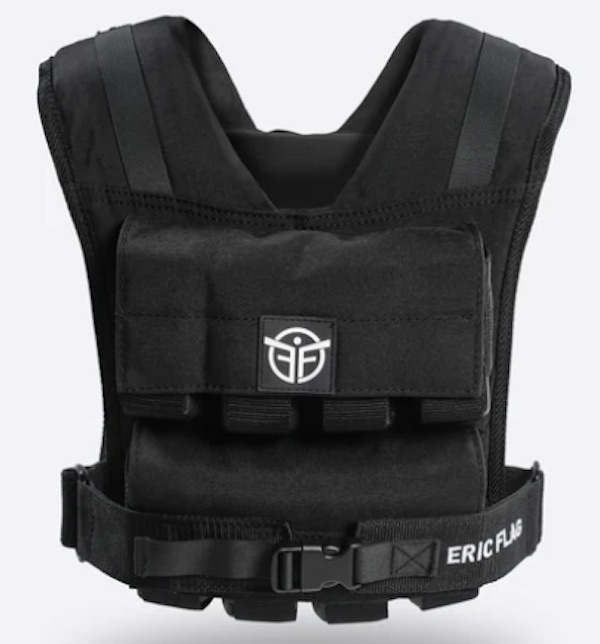
The weighted vest has become an essential training tool for fitness, cross-training, calisthenics, bodyweight strength training, and even active walking. Its principle is simple: add external load evenly distributed over the upper body to increase workout intensity without changing the movements themselves.
However, when searching for the best weighted vest, you quickly face a wide range of options: plate-loaded vests, adjustable models, tactical designs, lightweight or heavy versions, comfort-oriented or performance-focused. The right choice depends mainly on your goals, your experience level, and how the load is distributed.
In this article, you’ll discover:
- the real benefits of a weighted vest,
- the most common mistakes to avoid,
- and above all, how to choose the best weighted vest to maximize results while staying comfortable and efficient.
Why Use a Weighted Vest? Real Benefits
A weighted vest is not just about “making exercises harder.” When used properly, it improves several key physical qualities.
1) Natural Progression for Bodyweight Exercises
If you regularly perform pull-ups, push-ups, dips, or squats, you’ve probably hit a plateau at some point. A weighted vest allows clear and effective progression:
- same movement,
- same technique,
- progressive and measurable load.
This leads to improvements in strength, muscular endurance, and hypertrophy, without relying on bulky gym equipment.
2) Increased Energy Expenditure Without Changing Your Routine
Adding external load naturally increases the energy cost of movement. Walking, circuit training, or functional workouts with a weighted vest allow you to:
- intensify sessions,
- optimize training time,
- make moderate-intensity workouts more demanding.
It’s an effective way to increase training density without extending workout duration.
3) Enhanced Cardiovascular Stimulation With Controlled Load
During activities such as fast walking, stair climbing, or metabolic circuits, a weighted vest raises heart rate and respiratory demand. When used sensibly, it helps to:
- improve endurance,
- make simple workouts more challenging,
- diversify training formats.
Common Mistakes When Looking for the Best Weighted Vest
Despite its simplicity, several mistakes are frequently made:
- Starting with too much weight, which increases fatigue and joint stress unnecessarily.
- Overlooking comfort and fit, even though the vest sits directly on the torso.
- Focusing only on maximum load capacity, instead of stability and balance.
- Buying without considering the main use case, even though each discipline has specific requirements.
The best weighted vest is the one you can use consistently.
How to Choose the Best Weighted Vest: Key Criteria
1) Define Your Primary Training Goal
Choosing the best weighted vest starts with identifying your main activity:
- Calisthenics and bodyweight strength training: prioritize stability, front/back balance, and shoulder mobility.
- Weighted walking (rucking): focus on long-term comfort, durability, and precise adjustment.
- Cross-training and HIIT: versatility, secure fit, and quick adjustments matter most.
- Running: a slim profile, moderate load, and excellent stability are essential.
Clarifying this point eliminates most unsuitable options immediately.
2) Load System: Plates, Blocks, Sand, or Integrated Weights
There are several types of load systems, each suited to different training styles.
- Plate-loaded weighted vests
- Compact load close to the body
- Excellent stability
- Professional feel, popular in calisthenics and cross-training
- Clear and structured progression
- Adjustable vests with evenly distributed weights
- Very fine weight adjustments
- Balanced distribution across the torso
- Highly adaptable for different levels
- Comfortable for varied training sessions
- Sand-weight vests
- Modular load
- Functional training feel
- Simple and accessible approach
- Good general versatility
- Fixed-weight vests
- Easy to use
- Quick to put on
- Practical for consistent, straightforward training
The best weighted vest is the one whose loading system matches how you plan to progress.
3) How Much Weight Should a Weighted Vest Have?
The ideal load depends on experience level and goals:
- Beginner: 5-10 kg (10-22 lb)
- Intermediate: 10-20 kg (22-44 lb)
- Advanced: 20 kg+ (44 lb+), with solid technique
An adjustable weighted vest is usually the smartest choice, as it allows long-term progression.
4) Weight Distribution and Balance
One of the most important criteria for identifying the best weighted vest is load distribution:
- balanced front and back,
- center of gravity close to the body,
- stable feel during movement.
Good distribution improves both comfort and exercise execution, especially during dynamic workouts.
5) Fit and Stability
A high-quality weighted vest should:
- stay firmly in place during movement,
- offer strong, easy-to-adjust straps,
- allow natural breathing,
- adapt well to different body shapes.
Precise adjustment is essential to fully benefit from added load.
6) Comfort and Breathability
Comfort is often underestimated. The best weighted vest stands out through:
- breathable materials,
- effective sweat management,
- well-designed contact zones,
- comfort even during longer sessions.
7) Freedom of Movement
For functional and bodyweight exercises, the vest should not restrict:
- arm elevation,
- shoulder mobility,
- natural torso rotation.
A well-designed cut improves both performance and safety.
How to Use a Weighted Vest Effectively in Training
- Always start with a moderate load
- Increase weight or volume gradually
- Maintain perfect technique
- Choose appropriate exercises: walking, controlled squats, pull-ups, push-ups, dips
The goal isn’t to “suffer more,” but to stimulate better.
Conclusion:
The best weighted vest is the one that:
- matches your primary training style,
- provides excellent stability,
- allows progressive overload,
- remains comfortable and well-fitted,
- integrates naturally into your routine.
Rather than chasing the heaviest or most impressive-looking model, choose a vest that is adapted, adjustable, and enjoyable to wear. That’s what makes the real difference over time for performance and consistency alike.













