Electronic Stamps: How do These Things Function? What are the Reasons to Apply Them?
By Space Coast Daily // February 25, 2026
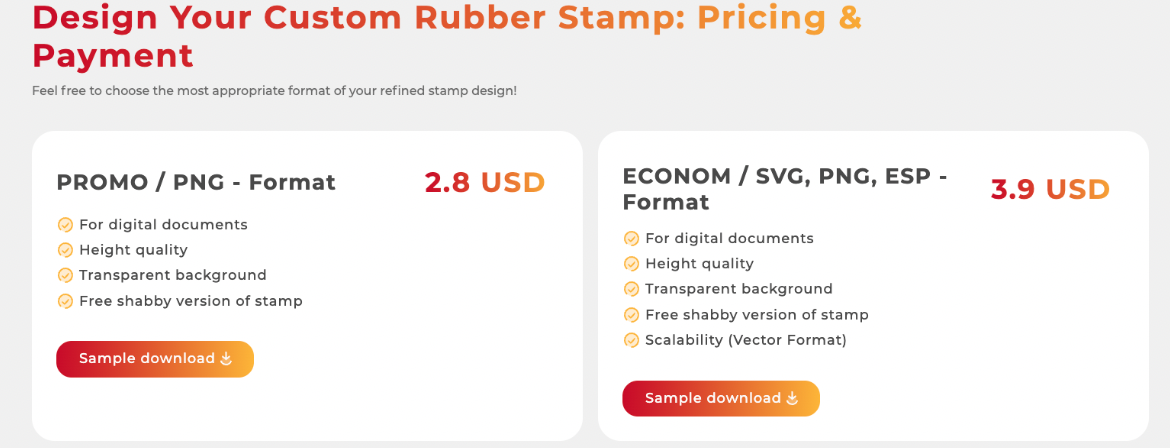
Those who have at least once consulted a notary, sent a document of a juridical type or filled a state application, know what physical stamps are. It’s an imprint of a small size that is extremely important. This thing is applied for the validation of various papers (invoices, agreements, applications). But what if document flow shifts into an online format? In this case, electronic stamps become irreplaceable. Users have a possibility to select a proper template from a great assortment of ready-made layouts on the website make-stamp.online.
Visitors can also customize their imprints according to their wishes and purposes.
From electronic seals that are produced by special companies to eStamps on papers in a Portable Document Format, a new digital stage of stamping is experienced by people that live in India. Our article helps readers understand what an electronic stamp is and to study some processes of digi seals development with online constructors. We’ll compare a digital stamp and its analog of a traditional kind. Readers will know about the legality of electronic seals in India. As well as about the peculiarities of their application in this country.
What is a digital seal?
“E-stamp” is a term that identifies a digital version of a rubber stamp that is applied for document certification. Unlike traditional rubber seals, electronic ones belong to a graphic or a cryptographic type. This kind of print is appropriate for electronic files, mainly, for a portable format of documents.
A digi stamp consists of such components:
- a seal of a visual kind (or it can be the logo of an organization);
- the marking of a certain time and the signification of a date;
- a signature (or it can be the identification number of a certificate);
- a cryptographic confirmation of validity (only eStamps contain it).
What 2 kinds of electronic seals exist?
E-stamps are divided into 2 categories:
- Seals of a graphical type. It’s a print of a rather small size. The stamp is set on a document. It visually resembles seals of a traditional type. But a graphical stamp can be used digitally (for instance, in a png format). It’s mostly applied in a business area and education. Moreover, you can use digital stamp of a graphical type in the following spheres:
- branding (with a logo);
- applying watermarks;
- departmental approvals.
Seals of the above-mentioned kind don’t possess legal weight, if they aren’t used alongside with an electronic signature. Still, they help you visually show authentication.
- Electronic seals of a certified type. These are encoded certificates. They are verified juridically. The companies empowered by the Indian Government issue them. StockHolding Corporation of India Limited (SHCIL) is an example of such systems. Certified eStamps contain a unique identification number of an operation. There’s also a timestamp of the issue and some data about the individual who makes a payment. The corresponding system protects records from unauthorized access. Certified e-seals are analogs to a revenue kind of stamp. These types are equal to each other. This kind of digital seal can be applied in various spheres, including financial operations with property, affidavits, lawsuits.
This type is even suitable for situations that suggest an electronic contract, a government digital paper, digital printing for invoices, educational certificates, personnel documentation, etc. Digital seals (especially eStamps) provide accordance and rapidity. They guarantee safety across various departments.
Electronic and traditional stamping: how do they differ?
Electronic seals not only help you save budget. Users have an opportunity to apply these stamps right after their creation. Application Programming Interfaces allow individuals who work in a business sphere to add digital stamps to many papers at once. So, applying digital seals, you will be less dependent on physical infrastructure. And your document flow will be more transparent. This advantage speeds up dispute settlement, improves the process of audit control and ensures compliance.
Do electronic seals in India have legal force?
In this country e-stamps are recognised as legal under certain frameworks. For instance:
- The Information Technology Act makes electronic records and the process of digital validation legal. According to it, electronic identification of papers is possible with secure signatures. So, the application of eStamps acquired a base.
- The eStamping process with the SHCIL system helps to release certificates which include e-stamps and serve as analogs of traditional papers that have seals and don’t possess a juridical status. Here are some features of electronic seals:
- They contain TRNs, or transaction reference numbers, that are unique.
- E-seals can be verified anytime through the SHCIL portal.
- Such stamps are also permissible for registrations.
- SHCIL is widely applied on the territory of more than 22 states of India. People in union territories use it, too. Generally, they apply this system for contracts. And for some other types of papers, for instance, lease agreements, etc.
- According to the document called Contract Act and Evidence Act, agreements with signatures of a digital type and electronic stamps are considered executory. The staff of courts accepts papers in an electronic format (the certified and timestamped ones). The juridical status of digi seals is strengthened when they are applied alongside with either Aadhaar eSign, or DSC.
In which areas people apply e-stamps nowadays?
There are several spheres of their usage:
- a) Juridical agreements. Nowadays stamps of a digital kind, alongside with electronic signatures, are often applied in service agreements. As well as in lease and partnership contracts. The above-mentioned papers can be verified anytime, and their legal force is provided. So, organizations of a juridical type (as well as courts) on the territory of India accept such documents.
- b) Waybills and the billing system. Companies (especially, those that specialize in financial technologies and software as a service (SaaS)), apply electronic stamps to authorize waybills (those that correspond to the GST requirements). Thanks to this measure, each invoice possesses a certified stamp that is encrypted. It makes the audit process seamless. And eliminated the possibility of fraud.
- c) State documents. Purchase requests, applications for a license, as well as normative papers on state portals are compatible with eStamping. Seals in an electronic format help fasten the preparation of papers, provide quicker confirmation. So, thanks to the above-mentioned advantages, deadlines are met.
- d) Staff resources and the sphere of education. Nowadays offer and joining letters, as well as training certificates, often contain an electronic stamp. These seals are constituents of the strategy that concerns branding and confirmation. A lot of organizations include QR codes with a verifiable electronic stamp for the identification procedure that is performed online.
How can digital stamps be developed? How can people apply them?
Those who plan to create a digital stamp on the Internet can achieve this aim with the following method:
Stage 1: Develop an appropriate stamp design. A graphic design instrument or a special service for making electronic seals on the Internet can be applied for this purpose. Users have a possibility to develop stamps that contain the institution’s name, logo, division. As well as a date and QR code (this thing is optional and is used for confirmation).
Step 2: Select a type of platform that you consider suitable. SHCIL and other systems that help to develop eStamp of an official type, as well as Adobe Acrobat, allow visitors to upload papers and stamp them. And to sign them in a digital format.
Step 3: Upload and use. After you have uploaded the paper, perform the following actions:
- apply drag-and-drop for seals of a graphical type;
- pass to identity check, then to payment and, finally, to download flow (for eStamps).
What types of tools are applied?
So, after studying a complete guide, you’ve understood how to develop prints for papers in a pdf format. Let’s see what instruments are recommended:
- Make-stamp.online: it’s perfect for making various types of prints.
- SHCIL: it’s good for juridically enforceable eStamps.
- DigiLocker + eSign: provides signing of papers (based on the Aadhaar system).
- Protean eSignPro: it includes both the options of eStamp and eSign.
- Adobe Acrobat Pro: this variant is suitable for digital image overlay.
Why is the automation of digi stamps with eSign Services a reasonable decision?
Contemporary eSign services include both stamping and signing procedures in a document flow. These processes become simultaneous and automatic.
So, why should these processes be automated?
This advantage helps to save a lot of time and to avoid monotonous paperwork.
Manual stamping of documents and their certification in an offline format become unnecessary.
If work processes are automated, you can trace who, in what moment and for which purpose stamped this or that paper.
Documents can be verified anytime in any division or region.
For instance, Protean eSignPro is an online platform that corresponds to government requirements. It helps businesses to achieve the following goals:
- upload large papers;
- insert verified graphical stamps or encrypted ones;
- perform electronic signing based on Aadhaar;
- check all the papers (an audit dashboard is applied for this purpose).
Conclusion
An electronic stamp is an excellent thing that combines juridical validity, functional productivity and convenience. All these features are extremely appreciated in the contemporary world. E-seals diminish the price and time of documentation processing. They guarantee security of papers and their testability. It doesn’t matter what documents you deal with (it can be a GST invoice, a property contract, an offer letter, etc). Electronic stamping suggests a rational and productive method. Moreover, it corresponds to juridical requirements.
The regulatory support and state approval through SHCIL’s eStamping system allowed e-stamps to become a crucial aspect of electronic paperflow on the territory of India. Protean eSignPro and similar platforms make the processes automatic. So, institutions have a possibility to easily insert seals in lots of papers every day, and no manual effort is required.
So, if you plan to stamp some papers, remember that you don’t need ink (and sometimes even a printer) for this procedure. It can be performed easily and rapidly just in a few clicks. But first of all you need to make a layout. The Make-stamp.online service will be your irreplaceable helper in this process.
Insert the required details (such as a name, a logo, a division, a date or a QR code that is needed to confirm information). Resize some parameters of your layout, if necessary. And download your finalized variant. After this it’s possible to begin stamping procedures. Apply the Make-stamp.online service and create your personalized stamps.