10 Questions to Ask Before Starting a Whole-House Remodel
By Space Coast Daily // April 27, 2026
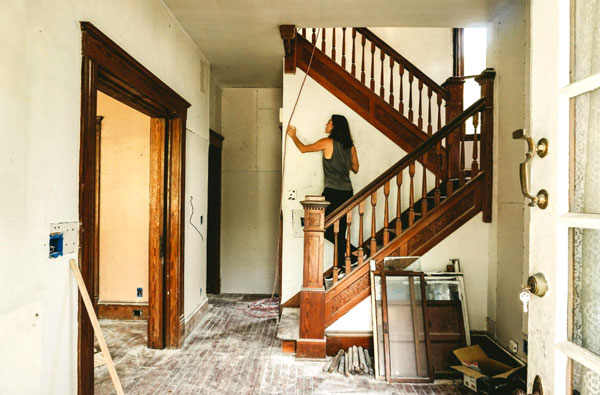
A whole-house remodel can feel like a fresh start. New layouts, better flow, updated finishes, and the chance to fix everything that has been bothering you for years. But it is also one of those projects where excitement can move faster than clarity.
Most remodeling problems do not come from choosing the wrong tile or paint color. They come from starting without fully understanding what you are getting into. These questions are meant to slow things down in a useful way, so decisions are clearer before any construction begins.
1. What problem am I actually trying to solve?
This is the question most people skip, even though it shapes everything. It is easy to say “we need to remodel the house,” but that can hide very different issues. If you cannot clearly explain what is not working, the remodel tends to become a collection of upgrades instead of a solution. The result may look better, but still not feel right.
2. Am I remodeling for myself, resale, or a mix of both?
This decision quietly influences every choice you will make later. A remodel for personal living tends to focus on comfort and long-term enjoyment. A remodel with resale in mind leans toward broad appeal and safer design choices. Without clarity here, you end up second-guessing decisions like finishes, layouts, and how much to invest in certain rooms.
3. What is my real budget, not my ideal budget?
There is usually a difference between what feels comfortable and what is realistic once everything is included. A full remodel involves more than materials and labor. There are permits, design changes, unexpected repairs, and delays. These add up quickly.
A helpful check is to take your budget and reduce it by 15 to 25 percent. If the project still makes sense at that number, you are probably in a safer range. If not, the original estimate may be too optimistic.
4. Which parts of the house actually need to change?
Not every room needs to be touched just because you are remodeling. A common mistake is expanding the scope too early. A kitchen project turns into flooring, lighting, plumbing, and then other rooms get added “while we are at it.”
A clearer approach is to separate everything into categories:
- Must change because something is broken or does not function
- Should change because it improves daily life
- Could change because it is mostly aesthetic
If everything feels like a must, the project is probably too broad.
5. How will we live in the house during construction?
This is often underestimated. A whole-house remodel affects noise levels, privacy, daily routines, and access to basic spaces like kitchens and bathrooms. Even small disruptions add up over weeks or months.
Some people choose to move out. Others stay and adapt. There is no universal answer, but deciding late makes everything harder. This choice affects cost, timeline, and stress more than most design decisions.
6. Who is actually managing the project?
It is important to understand who is coordinating everything. Is there a general contractor handling scheduling and subcontractors, or are you expected to coordinate parts of the work yourself? If multiple people are involved, who is responsible when something goes wrong or falls behind?
For homeowners in Jacksonville, one example of a company that focuses on this kind of full coordination approach is AP Advanced Construction. The value of working with a contractor like this is not just in the physical construction, but in how the project is managed day to day, from scheduling subcontractors to keeping communication clear and decisions documented.
7. What happens when we change our minds?
Changes during a remodel are normal. Once work begins, people often adjust materials, layouts, or details after seeing things in real conditions. Sometimes walls are opened, and unexpected issues appear.
What matters is not avoiding changes, but understanding how they are handled. Ask how change orders work, how costs are calculated, and how decisions are approved. Without this, small adjustments can become major sources of stress.
8. What do I want the house to feel like when it is finished?
It is easy to focus on individual rooms and forget the overall experience of the home. Do you want it to feel open or more defined? Bright or warm? Minimal or layered? Modern or traditional?
Without a clear sense of direction, choices get made room by room, and the house can end up feeling inconsistent. A good remodel creates a unified feeling, not just upgraded spaces.
9. What am I not willing to compromise on?
Every remodel involves trade-offs. Something will cost more than expected. Something will take longer. Something will need adjustment. That is normal.
The key is knowing your non-negotiables early. These are the things you care about enough that you will not adjust them easily, even if pressure builds later. It might be storage, natural light, layout flow, or material quality.
When you know this in advance, decision-making becomes faster and less stressful.
10. What does “done” actually mean?
This question sounds simple, but often overlooked. Is the project done when construction ends, when everything is cleaned up, or when final details are finished, and the space feels livable again?
Without a clear definition, projects can drift into a long finishing phase where nothing feels fully complete. Defining “done” early helps set expectations for the final stretch, which is often slower and more detail-focused than people expect.
Final Thoughts On Whole-House Remodels
A whole-house remodel is not just about construction. It is a series of decisions that either create clarity or slowly increase confusion. The best outcomes rarely come from perfect timing or unlimited budgets. They come from asking the right questions early enough that the answers can actually guide the work.
If these questions feel a bit uncomfortable, that is usually a good sign. It means you are asking them before it is too late to adjust the direction.