Florida Condo Living Is Changing, and Not Everyone Can Keep Up
By Space Coast Daily // April 25, 2026
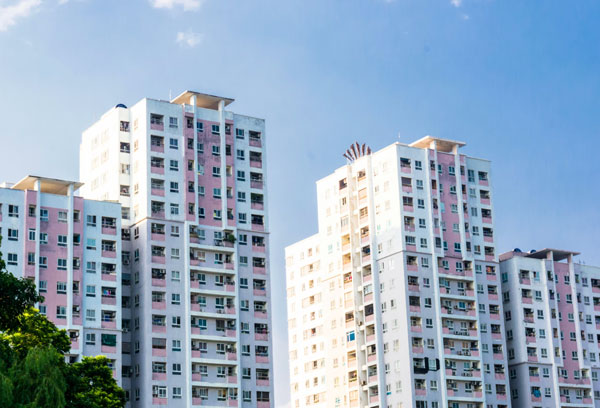
For years, condo living in Florida came with a clear expectation. Lower purchase prices, predictable monthly fees, and fewer maintenance responsibilities compared to owning a house. That equation is now being rewritten, and the shift is playing out across the state in real time.
What once felt like a stable and accessible housing option is becoming more complex. Owners are dealing with rising costs. Buyers are approaching the market more cautiously. And condo associations are being pushed to operate very differently than they did in the past.
This isn’t a short-term fluctuation or a typical real estate cycle. It’s a structural reset driven by safety concerns, regulatory changes, and years of deferred maintenance finally coming due. The result is a market that’s still active, but far more selective about who can comfortably participate.
The Surfside Effect Still Shapes Buyer Behavior
The 2021 collapse of Champlain Towers South in Surfside marked a turning point that continues to influence the market. It exposed long-standing structural issues in aging buildings and forced a statewide rethink of condo safety and accountability.
The ripple effects are still visible today. A luxury redevelopment on the same site, reported by People, has struggled to attract buyers despite ultra-high-end positioning and multimillion-dollar price tags. That hesitation reflects something deeper than pricing. It shows how much buyer psychology has changed.
People are no longer taking building safety for granted. They want clarity on inspections, maintenance history, and structural integrity before making decisions. Even in newer or premium developments, the legacy of Surfside lingers.
That shift in mindset is important. It means the market is no longer driven purely by lifestyle or location. Trust, transparency, and long-term risk have become central to how buyers evaluate condo properties across Florida.
Rising Costs Are Forcing Owners to Reevaluate
At the core of this reset is a financial reality that can no longer be postponed.
New state regulations now require stricter inspections and fully funded reserves, especially for older buildings. Associations are no longer allowed to delay major repairs or keep reserve contributions artificially low. As a result, many owners are being asked to cover costs that were deferred for years.
That impact is already visible in real communities. Florida Today reported a Brevard County condo where owners faced about $50,000 per unit in long-overdue repair assessments. Situations like this show how quickly deferred maintenance can turn into a major financial burden.
This shift is also pushing boards to rethink how they manage finances at a fundamental level. Many are revisiting basics, such as how to plan a condo association budget. This helps them prepare for immediate repairs and long-term structural needs without sudden financial shocks.
According to Ledgerly, these budgets rely on regular dues that fund day-to-day operations. Additional funds may come from assessments, late fees, interest, or facility rentals. When managed properly, these sources can help reduce sudden financial strain on residents.
More Listings Are Changing Price Expectations
As financial pressure builds, more condo owners are choosing to sell rather than take on rising costs. Coverage from CBS Miami points to a clear increase in listings across several parts of Florida, especially in older buildings. As more units enter the market at once, supply begins to outweigh demand, and that naturally starts to influence pricing.
What we’re seeing now is not a sharp decline, but a steady adjustment. Buyers are negotiating more aggressively, taking their time, and asking deeper questions before committing.
Sellers, on the other hand, are becoming more flexible, often adjusting expectations to reflect the realities of the current market. Units tied to higher future costs or uncertain repair timelines are facing stronger resistance.
This shift is also redefining how value is judged. A lower listing price no longer signals a better deal. Buyers are paying closer attention to reserve funds, upcoming assessments, and the association’s financial health. In many cases, a cheaper unit may carry hidden long-term costs, making buyers far more cautious and deliberate in their decisions.
A New Era for Condo Associations and Planning
While buyers and sellers adjust, condo associations themselves are undergoing one of the most significant shifts in how they operate. The old model of keeping fees low by delaying maintenance is no longer sustainable in today’s regulatory environment.
Boards are now expected to plan ahead, fully fund reserves, and communicate more clearly with residents about upcoming costs and risks.
This shift demands a more disciplined and transparent approach than many communities are used to. Decisions that were once postponed now need to be addressed early, often with clear timelines and financial planning attached. For many associations, this means rethinking long-standing practices and stepping into a more accountable role.
The impact goes beyond administration. It directly shapes how residents experience condo living, from monthly costs to long-term confidence in their investment. Strong planning can build trust and stability, while poor planning can quickly lead to financial stress and declining property values.
As these expectations become standard across Florida, well-managed communities will stand out more clearly than ever.
FAQs
What is the difference between an apartment and a condo?
An apartment is typically rented, and the entire building is owned and managed by a single landlord or company. A condo is individually owned, even though units share common spaces. Condos may be rented out, but ownership stays with private individuals.
How much do condominiums cost in Florida?
Condo prices in Florida vary widely based on location, age, and amenities. In many areas, prices range from about $200,000 to over $600,000, with luxury units going much higher. Older buildings may cost less upfront, but can carry higher maintenance and repair expenses.
What are the disadvantages of an HOA?
Homeowners’ associations can come with strict rules that limit personal choices, such as renovations or rentals. Fees can increase over time, especially when major repairs or reserve funding are required. Poor management can also lead to financial issues or unexpected assessments.
What This Shift Means for Florida’s Housing Future
Florida’s condo market is not disappearing, but it is evolving in a way that’s impossible to ignore. Costs are rising, expectations are changing, and both buyers and owners are becoming more aware of the true responsibilities tied to condo living. The days of treating condos as a low-maintenance alternative without long-term financial planning are fading.
What’s emerging instead is a more transparent and grounded market. Buyers are asking better questions. Associations are being held to higher standards. And pricing is beginning to reflect the real cost of maintaining aging buildings.
This reset may feel uncomfortable in the short term, especially for those facing unexpected expenses. But it is also pushing the market toward greater accountability and sustainability. In the long run, this shift could create a healthier market where safety, planning, and financial clarity matter as much as location.