Why Some Dogs Need Extra Warmth: Understanding Coat Types, Body Fat, and Cold Sensitivity
By Space Coast Daily // July 1, 2026
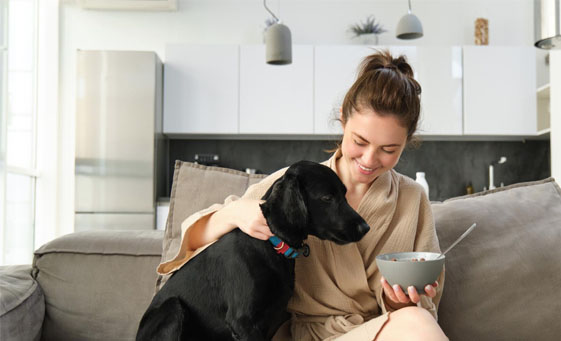
Cold weather hits dogs differently, and a big part of that comes down to how they’re built. Thick double coats help trap heat. Body fat helps too. Some breeds were developed in freezing climates and simply hold warmth better than others.
Take a Siberian Husky. That breed spent generations working through snow and brutal temperatures without burning through body heat too fast. A Greyhound is almost the opposite. Lean body, short coat, thin skin. Great for speed. Not so great when the air feels icy, and the wind starts cutting through.
That is why certain dogs sensitive to cold weather genuinely benefit from extra layers during winter. And honestly, dog clothing isn’t purely for photos or social media. The best ones offer your dog extra insulation during colder months.
How do dogs naturally stay warm?
Dogs already have built-in ways to handle cold temperatures. Fur works as insulation by trapping warm air close to the skin. Body fat adds another layer that helps slow heat loss. Movement matters too. A dog running through a trail generates far more body heat than one standing still waiting outside a coffee shop.
Still, those natural systems only go so far.
Cold wind, freezing rain, wet snow, and long exposure times can overwhelm a dog’s ability to stay warm. You see this a lot with lean athletic breeds. A Whippet may look energetic during the first ten minutes of a winter walk, then suddenly start trembling once the cold cuts through that thin coat.
That is a big part of understanding dog cold sensitivity. Fur alone does not automatically mean protection.
Understanding Different Dog Coat Types
Double-Coated Breeds
Dogs like Huskies, Alaskan Malamutes, and Golden Retrievers come equipped with thick double coats. Underneath the outer fur sits a dense undercoat that traps heat surprisingly well.
That is why many northern breeds tolerate snow better than humans do. Some will willingly lie in freezing temperatures because their coat was designed for exactly that environment. Still, even double-coated dogs can struggle in extreme wet cold. Snow mixed with freezing rain is often harder on them than dry cold air.
Short-Haired Breeds
Short-haired breeds usually have a tougher time during winter. Greyhounds, Dobermans, and Boxers have much less body insulation to protect them from wind and low temperatures.
Greyhounds are a good example because their bodies are incredibly lean. Very little body fat. Thin skin. Minimal fur. A cold breeze cuts through them fast. That’s where you will often see some owners using properly fitted dog coats for winter with these breeds. Dogs that used to shiver halfway through walks suddenly seem far more relaxed and willing to stay outside longer.
Hairless and Thin-Coated Dogs
Then you have breeds with barely any natural protection at all. Chinese Cresteds and Whippets struggle in cold weather for a pretty simple reason. There is not much separating their skin from the air around them.
For these dogs, practical insulated dog clothing is often less of a luxury and more of a useful daily tool during winter. It is reducing discomfort and preventing excessive heat loss.
The Role of Body Fat and Size in Cold Sensitivity
Fat helps dogs hold onto warmth. But some dogs just don’t have that much natural insulation. Lean breeds lose body heat quickly because there isn’t a lot of fat under the skin to help trap warmth. You see it a lot with slim dogs during winter walks. They may be perfectly healthy and active, but cold air hits them harder than it hits heavier breeds.
Small dogs lose heat quickly, too. Their bodies are tiny, meaning less fat, and cold surfaces affect them fast. A Chihuahua on icy pavement is going to feel miserable a lot sooner than a big Lab standing right beside it.
Age also changes how efficiently a dog handles cold weather. Older dogs may experience slower circulation, thinner muscle mass, and reduced ability to regulate body temperature properly. That’s why you may notice your senior dog moving more slowly in the mornings or hesitating before going outside once temperatures drop.
Puppies and Senior Dogs: Extra Care During Winter
Puppies
Young puppies aren’t very good at holding heat yet. Their bodies are still developing, and because they’re so small, cold weather tends to affect them fast. You may notice it when they start shivering early into a walk or keep trying to curl into blankets indoors. A properly insulated layer can help them stay comfortable without overheating.
Senior Dogs
Some older dogs often experience slower circulation, arthritis, and joint stiffness during winter. Cold temperatures can make movement uncomfortable. Keeping senior dogs warm helps maintain mobility and comfort.
When Protective Clothing Actually Helps?
Dogs usually give pretty clear signals when they are cold.
Shivering is the obvious one, but there are smaller signs too. Some dogs repeatedly lift their paws off frozen pavement. Others refuse to continue walking, seek warm vents indoors, or constantly curl into tight positions to conserve heat.
This is where properly fitted dog coats for winter can genuinely help certain breeds stay comfortable outdoors without restricting movement. The important part is function. Warmth and comfort should always come before style.
Choosing the Right Cold-Weather Clothing
Not every dog coat is as practical as it looks. Some are mostly decorative and don’t do much once the weather turns genuinely cold. The better ones are warm without being bulky and flexible enough that your dog can still move normally.
Pay attention to the shoulder area in particular. If the fabric feels stiff there, dogs will hate wearing it. Poor fits can also rub under the chest or behind the front legs, which gets uncomfortable fast.
Layering helps in weird in-between weather, too. Lightweight sweaters are often enough indoors or during cool fall mornings. Heavier outer layers protect against freezing conditions. Many owners also use custom dog sweaters for indoor warmth because softer materials help sensitive dogs stay comfortable without overheating.
Everyday Winter Essentials for Sensitive Dogs
Many active owners build a simple winter setup instead of relying on one heavy coat for everything. Light indoor layers help some dogs stay comfortable overnight. Hoodies and sweaters work for quick walks or cool mornings. Heavier outerwear becomes useful during long hikes, camping trips, or extended outdoor activity.
Practical apparel for dogs can genuinely improve comfort during winter travel and outdoor activities. The best options focus on movement, warmth, and weather protection instead of style alone.
Common Mistakes Pet Owners Make
One of the biggest mistakes is assuming every dog experiences winter the same way. Breed differences alone completely change cold tolerance.
Another mistake is overdressing thick-coated breeds that already retain heat efficiently. Some northern dogs can overheat surprisingly fast if layered too heavily.
Poor fit is another issue. Some owners assume their dog’s size based on their breed. You need to always measure your dog for an accurate fit. A badly fitted coat that twists, slides around, or restricts movement usually creates stress instead of comfort.
Tips for Keeping Dogs Warm Beyond Clothing
A jacket helps, but it’s not the whole picture during winter. On really cold or windy days, shorter walks are usually the better call, especially if your dog gets chilled easily. Wet weather makes it worse fast
Back at home, pay attention to where your dog sleeps. A warm bed off cold tile or concrete can make a noticeable difference. And after walking through snow or slush, dry them properly. Damp fur stops trapping heat the way it normally does.
You may also notice changes in appetite during colder months. Active dogs often burn through extra energy trying to stay warm. So, they may need a little more fuel than usual. Keeping water available matters too because hydration supports healthy circulation and overall warmth.
Conclusion
A thick coat alone does not automatically mean a dog handles winter well. Body fat matters. So does age, breed, size, and even general health. Some dogs are naturally built for freezing weather. Others lose heat much faster.
The biggest thing is learning how your own dog reacts once temperatures drop. Some stay comfortable for ages outside. Others start struggling pretty quickly. Once you notice those patterns, decisions about walks, outdoor time, and cold-weather protection stop feeling like guesswork.