Spruce Wood Overview 2026: Properties, Uses and Why Builders Choose It
By Space Coast Daily // August 2, 2026
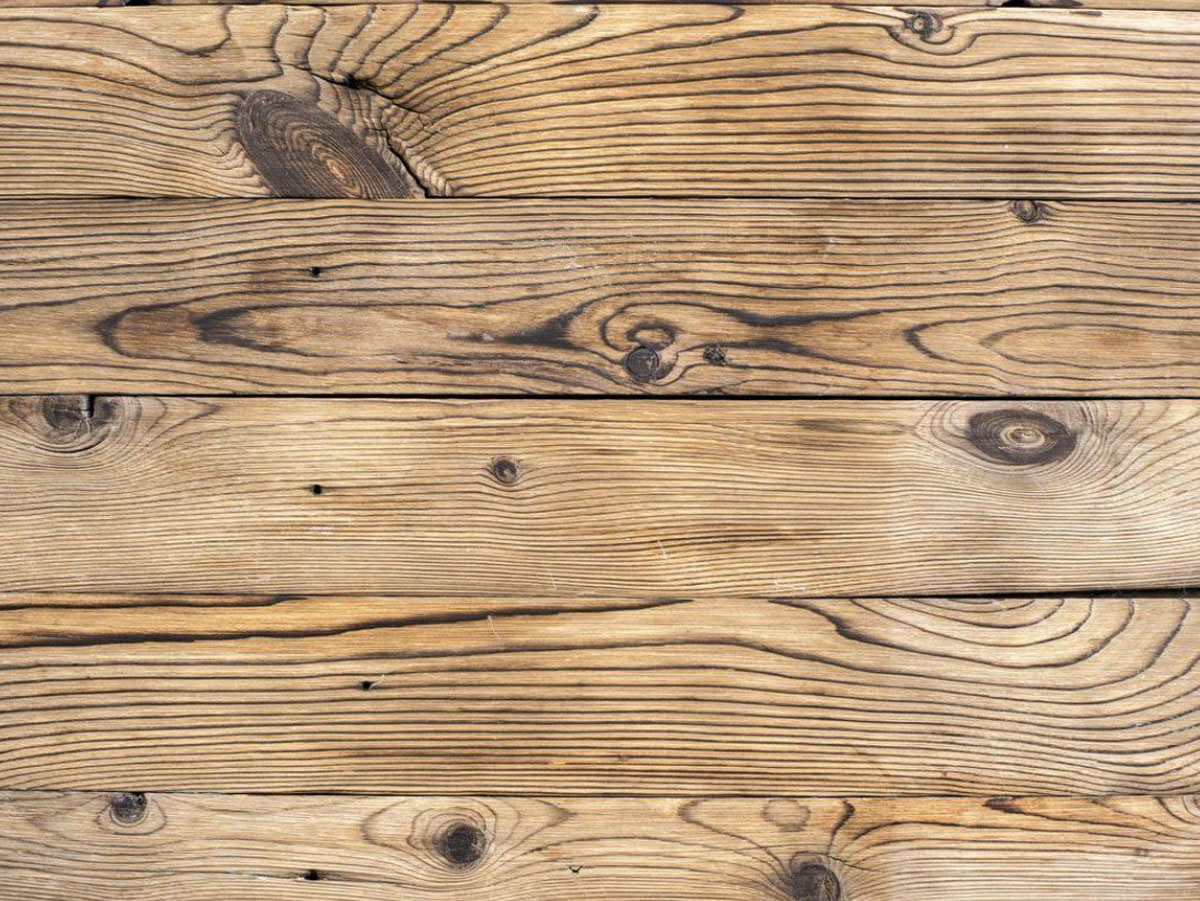
Stand in a timber-framed house, print a document, then listen to a violin, and you have met the same tree three times. Spruce is the quiet workhorse of the world’s softwood trade: in Britain alone, Sitka spruce accounts for around half of all conifer forest, making it the most important construction timber the country grows. Few materials hide in plain sight so completely.
1. A light wood with a strong résumé
The spruces, the genus Picea, are northern conifers led commercially by Norway spruce in Europe and Sitka spruce in the British Isles and North America. Britain’s woodland covers about 3.2 million hectares, some thirteen per cent of the land area, and the commercial conifer share of it leans heavily on Sitka — which is why British-grown spruce dominates the domestic sawmill output.
The wood is pale cream to almost white, with a straight grain and a fine, even texture. Dried density typically sits near 400 to 450 kilograms per cubic metre, light enough to handle all day on site, yet the strength-to-weight ratio is excellent. Machine-graded spruce routinely achieves the C16 and C24 structural classes used across British construction, so it dominates wall studs, roof trusses and joists.
2. From concert halls to construction sites
The same even structure that pleases engineers pleases luthiers. Quarter-sawn, slow-grown spruce has been the standard soundboard timber for violins, guitars and pianos for centuries — the tops of Stradivari’s violins are spruce — because it transmits vibration efficiently for its weight. At the industrial end, spruce fibre is a mainstay of pulp and paper, and it feeds the fast-growing market for glulam beams and cross-laminated timber panels.
Norway spruce also has a claim on the living room: it is the traditional European Christmas tree, the species behind the giant raised each year in Trafalgar Square as Norway’s gift to London. Few timbers move so easily between a December sitting room, a concert hall and a building site.
Outdoors is where spruce needs help. Under the European EN 350 durability scale it rates class four, slightly durable, so bare boards exposed to rain will not last the way larch or oak can. Builders manage this the practical way: pressure treatment for fence rails and sheds, and factory coatings for facades, where modern multi-layer paint systems keep the weather out and stretch maintenance intervals to a decade or more.
3. Why it still wins on the facade
Price is the obvious reason spruce keeps its place on external walls, since supply-only boards commonly cost half or less of what naturally durable species command. Just as important, its low resin content and even surface take opaque coatings unusually well, which suits the current fashion for solid-colour timber facades in greys, blacks and warm earth tones.
Factory-finished boards, such as the coated spruce ranges sold by British specialist TimberSol, show the modern formula: an affordable, fast-growing timber protected by an engineered coating, delivering the look of premium wood at a fraction of the cost.
The practical advice follows from the economics. Judge a spruce facade by its coating system, the recoat interval and the warranty behind it, rather than by the species name alone, because the finish is doing the durability work. A well-maintained coated board will quietly outlast a neglected premium one.