Health First Oncologist Dr. Ashish Dalal Takes on Extreme Patagonia Hike with Peace and Purpose
By Space Coast Daily // March 30, 2026
A nine day trek tests endurance, discipline, and the power of passion for the Award winning health first oncologist

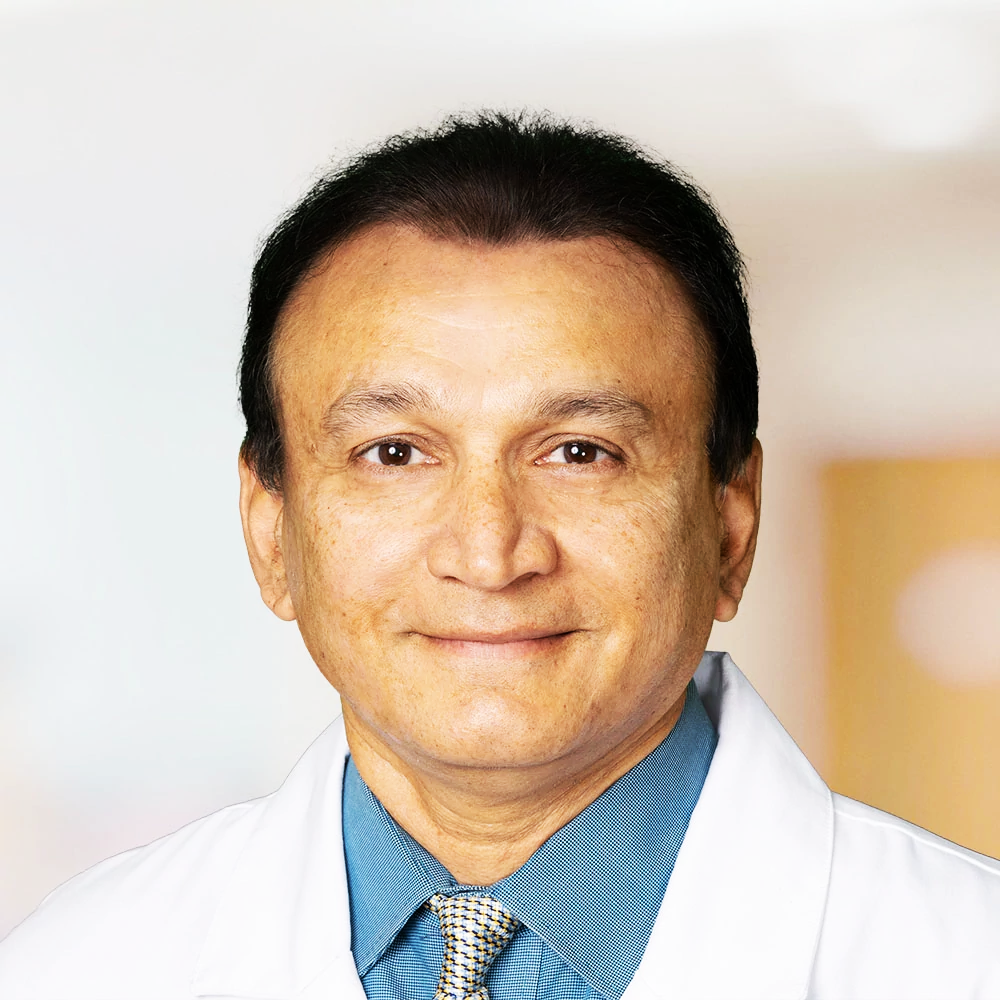
BREVARD COUNTY • ROCKLEDGE, FLORIDA – Patients know Health First oncologist Dr. Ashish Dalal as a steady presence during some of the most difficult moments of their lives.
As a cancer specialist, he spends his days in long hours, making complex decisions, and having conversations that require both precision and compassion.

What many may not realize is that some of his most significant personal challenges have only begun recently. “I did not do any major hikes until 2023, Dalal said.
In just a short time, he has taken on some of the world’s most demanding treks, including his latest journey to Torres del Paine National Park, where he completed the Patagonia O Trek.
“This is like a dream basket for people who are crazy hikers,” he said. “So I wanted to do this next.”
The nine-day loop is widely considered one of the most challenging hikes in the world due to its isolation, rugged terrain, and unpredictable weather. The conditions lived up to that reputation.
“In one hour, we saw sunshine, rain, hailstorm, snowstorm, and then category 2 hurricane wind,” he said. And the terrain offered little relief.
“They don’t really have a proper trail. They are basically huge rocks you are jumping from a rock, one rock to the other,” he said.

Despite the physical strain, Dalal described the experience as deeply calming.
“When I go to these mountains and these difficult hikes, it’s like a reverse phenomenon for me. I feel extremely at peace,” he said. “It’s blissful, and I feel very calm.”
Preparing for a trek in Patagonia required discipline and consistency, especially given the demanding schedule.
“I would wake up at 4:30 a.m. and do a solid two-hour training before I go to see patients,” he said.
His approach to training may surprise some. There were no gym memberships or elaborate routines.
“I never went a single day to the gym. I don’t go to gyms. I do things at home,” he said.
Instead, he focused on practical strength and endurance, using a weighted vest to simulate the load he would carry on the trail.
“I trained with that kind of weight,” he said, noting he prepared with 25 to 30 pounds on his back.
He combined that with cardio through running, biking, and regular tennis, which he plays three times a week.
The simplicity of his routine is part of the message he hopes others take away. “If I can find time, I’m sure they can too,” he said.
The Patagonia trek also marked a different kind of experience socially. Unlike previous hikes to Mount Kilimanjaro and Everest Base Camp, this time he joined a group of strangers.
“I met all these people for the first time ever. And now they’re my new friends,” he said.
The group quickly bonded over the shared challenge, forming connections that lasted beyond the trail.
The remote setting made teamwork even more important. With limited access to help, even a minor injury could become serious.
In such a remote and unforgiving environment, preparation goes far beyond physical training. The guides carried advanced emergency equipment and were trained to respond to injuries on the spot.
They carry defibrillators, are well-trained, and can even put in stitches if needed.
The level of preparedness, he said, was essential in a place where help is far away and conditions can change quickly.
“This is one of the most remote places in the world,” he said.
Just weeks before his trip, two hikers died attempting the route without a guide.
Still, Dalal said he trusted his preparation. “I was not scared at all. I had confidence in my abilities and the guide,” he said.
Even with all the training and preparation, the climbs were not just a physical challenge—they were deeply personal.
For Dalal, every grueling step up the rocky trails carried a sense of purpose beyond the summit. The harsh winds, unpredictable weather, and remote terrain tested not only his strength but also his determination and mindset.
“My kids motivate me. With the thought that if I do not make it, I do not ever want them saying, ‘dad didn’t make it’ I did not want that,” he said.
That preparation extended beyond fitness. Nutrition and hydration played a key role both in training and on the trail.
On the trek, hikers were expected to follow strict hydration guidelines to avoid fatigue and illness.
“If you don’t finish 4 liters of water by 4 p.m., there is a very high chance you will not be able to finish the hike,” he said.
Dalal explained that the guides frequently checked how much water hikers were drinking and reminded them to drink more if they needed to.
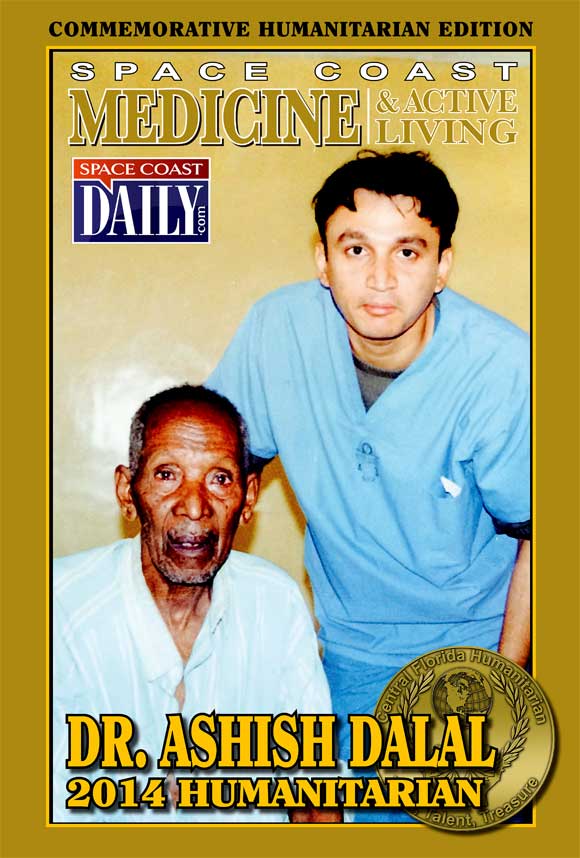
WATCH: As it happens, for most of the doctors and nurses who participate in these mission trips, Dr. Ashish Dalal found the experience life-altering. He found his patients extremely grateful for life’s little gifts, despite the poverty they faced.
For Dalal, these healthy habits are not just about hiking. They are part of a broader approach to staying healthy, something he encourages whenever possible.
“Staying healthy is extremely important both physically and mentally,” he said.
He encourages people to avoid alcohol, reduce red meat consumption, increase their fruit and vegetable intake, drink plenty of water, and exercise.
Looking ahead, Dalal is already planning his next challenges.
“There is a mountain in South America called Aconcagua,” he said. He is also considering a seven-day trek through the Dolomites in Italy.
Closer to home, he plans to continue hiking with his son and take on demanding routes in Colorado, along with a rim-to-rim trek of the Grand Canyon.
Still, he stays aware of the risks. “I wouldn’t attempt anything like that,” he said of more dangerous climbs. “Why take a risk that could cost your life?”
For him, the purpose is not danger, but growth, discipline and perspective.
“The biggest takeaway is if you have a passion, try to follow it,” he said.
It is a message that resonates far beyond the mountains, especially for those who know him best, not as a hiker, but as the doctor who shows up for them every day.