
Health First’s Pulmonary Rehab Builds Strength, Capacity for Breathing Impaired
By Space Coast Daily // May 10, 2024
They Huff, Puff Their Way to Greater Strength, Quality of Life
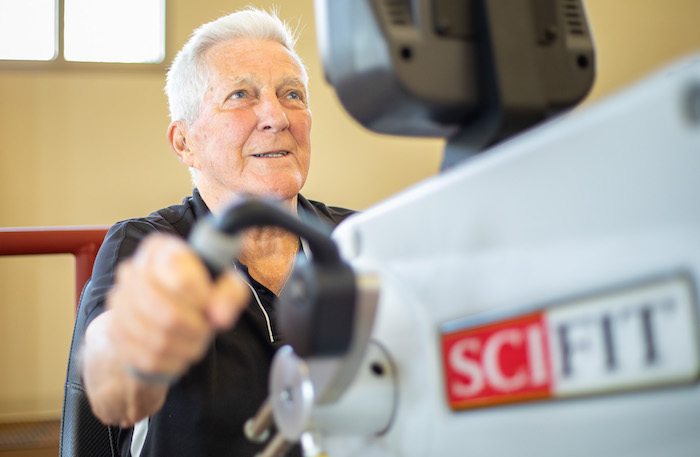
Exercise strengthens muscles, including the diaphragm. Program at Health First’s Pro-Health & Fitness expected to double in size.
BREVARD COUNTY, FLORIDA – Until about six months ago, George “Barry” Schmoyer of Viera played golf twice a week, every week. Most of his life he ran, too, finishing several marathons – his best, in 3:31. Then, the retired U.S. Air Force Colonel was diagnosed with an idiopathic course of pulmonary fibrosis.
“Oh, it was a big surprise for me,” he said. “It’s rare, and idiopathic, meaning, they don’t know the cause. It’s not curable – you have to try and live with it. And exercise is the only possible thing.”
About the time he got his diagnosis in October, a couple miles away at Health First’s Pro-Health & Fitness, a new program was beginning that brings together pulmonology, respiratory therapy and physical therapy for the benefit of patients with chronic obstructive pulmonary disease (COPD), interstitial lung disease such as Schmoyer’s, lung cancer, long COVID-19 syndrome, cystic fibrosis, pulmonary hypertension and asthma.
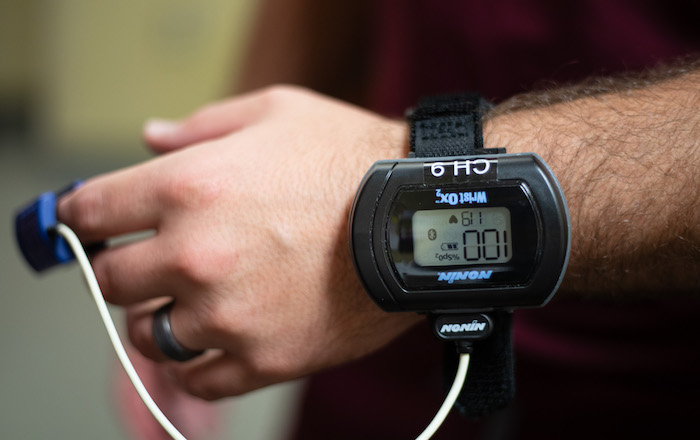
Patients get outfitted with a heart rate and oxygen monitoring device and are coached and watched by exercise specialists. They’re encouraged to exercise on treadmills, recumbent stationary bicycles and upper body ergometers (pedaling for the arms).
Schmoyer’s doctor referred him into the program, and the Department of Veteran’s Affairs authorized 36 sessions, or 18 weeks.
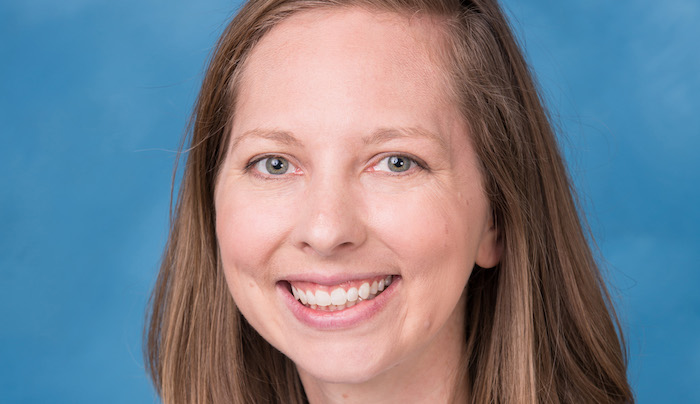
Patients with chronic lung diseases are prevalent in the community and, indeed, the nation, says Dr. Kerry Spero, Medical Director for Health First Pulmonary Rehab. Following the COVID-19 pandemic, many patients suffered long-term breathing difficulties. Pulmonary rehab is a treatment option proven in studies to improve breathing and quality of life in these patients.
The lungs are an organ that, like a muscle, Dr. Spero says, becomes weaker with disuse.
“It becomes a vicious cycle where, if every time you get out of breath you stop walking, then you keep doing less and less,” she says. “Here, patients see performance improve from strengthening the diaphragm and other muscles of respiration, and they see stronger arms and legs which have weakened through deconditioning.”
Darren Hill, the Health First Cardiopulmonary Rehabilitation Manager who coordinates Pulmonary Rehab, says patients are monitored for oxygen saturation, heart rate and other clinical factors throughout. Their performance – time spent exercising as well as difficulty/resistance – is tracked, and he can show them after just a few short weeks the significant strides they’ve made.
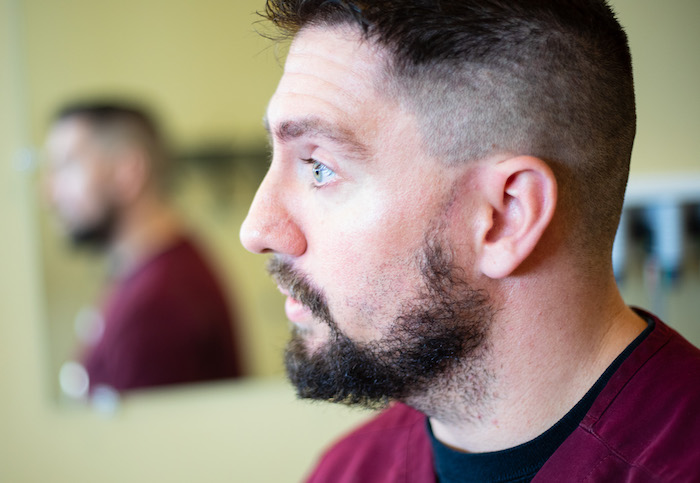
Jensen Shaffer, a Health First Respiratory Supervisor next door at Viera Hospital, says the difference between Pulmonary Rehab and setting out simply to exercise is the guided education.
“Pulmonary Rehab strengthens the muscles as it endeavors to impart essential skills for tracking oxygen saturation, breathing techniques such as pursed-lip breathing, understanding their disease better, managing medications and utilizing oxygen therapy if they need it.”
Hill says today there are five classes of between 5 and 10 patients that meet twice weekly, but he is admitting more patients than he is discharging. He thinks Pulmonary Rehab will eventually have about 50 patients who arrive for sessions twice weekly.
“Exercise, statistically, lowers a person’s chance of hospitalization, lowers their chance of infection, offers higher quality of life, better breathing, et cetera. In fact, we teach skills here to avoid hospitalizations. And plan for the future.”
He tells new and prospective patients to expect to see marked improvements in functional capacity.
“We measure it. It’s right here in their charts.”
Schmoyer, the onetime Air Force officer who oversaw aircraft maintenance and propulsion systems for more than a quarter century, says the workout is difficult, but the improvements are motivating.
“The guys I’m with here are very motivating also. That’s a big part of it. Since I’ve started, we’ve become friends – we’re planning to have dinner soon together.
“You’ve all got the same thing, you share the same challenges. Everybody improves themselves together. You know, it’s a positive experience.”
To learn more about Health First’s Pulmonary Rehabilitation program or to schedule an appointment, visit HF.org/pulmonaryrehab.

 Related Story:
HOT OFF THE PRESS! April 29, 2024 Space Coast Daily News – Brevard County’s Best Newspaper















