Behavioral Services Clinical Manager says AI can be a helpful wellness tool when used responsibly, but it should complement professional care rather than replace it
Artificial intelligence can be a helpful tool for organizing thoughts, tracking habits and supporting mental wellness, but Health First experts say it should complement, not replace, professional mental health care.
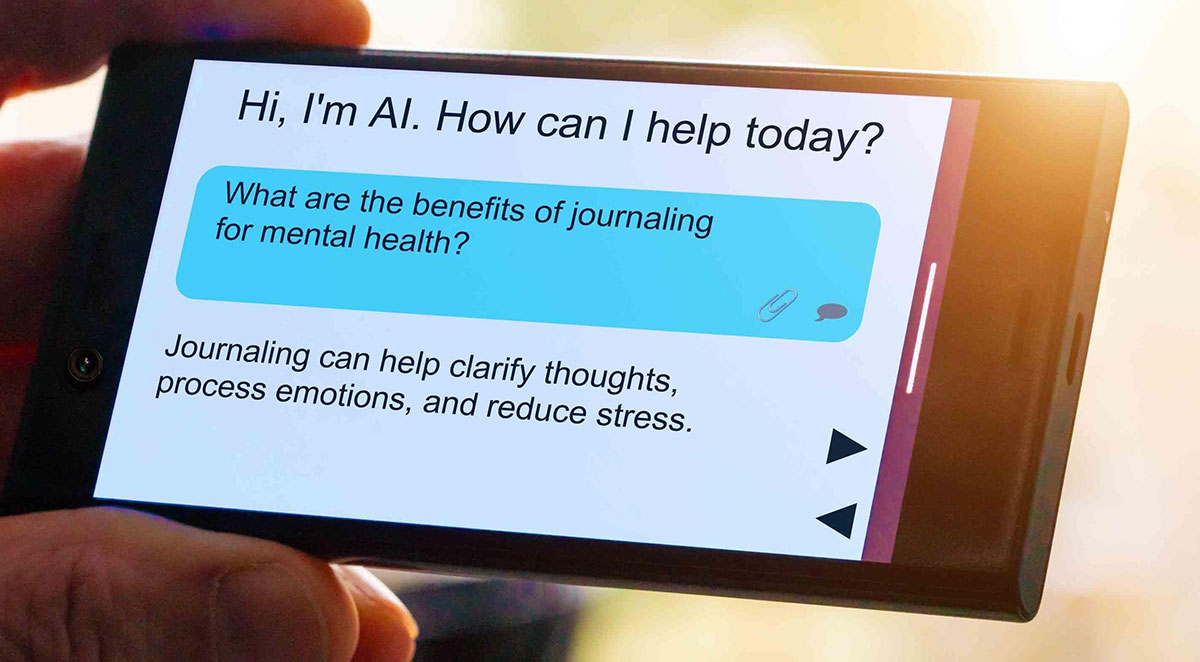
BREVARD COUNTY • ROCKLEDGE, FLORIDA — As artificial intelligence tools become part of everyday life, more people are turning to platforms like ChatGPT for emotional support, self-reflection and even mental health advice.
While these tools can provide helpful organization, education and coping strategies, behavioral health experts caution that they should complement professional care, not replace it.
“AI can be a useful tool, but it should never take the place of a relationship with a licensed mental health professional,” said DeAnn Collins, MSW, LCSW, behavioral services clinical manager at Health First.
“The biggest concern is when people begin trusting it to know what’s best for them.”
Collins said the rapid growth of AI has created new opportunities for people to track behaviors, organize thoughts and prepare for therapy sessions. She believes there are practical ways to incorporate AI into mental wellness as long as users understand its limitations.
Many people already use AI to summarize information, answer questions and help with everyday tasks. Collins said those same capabilities can also support behavioral health.
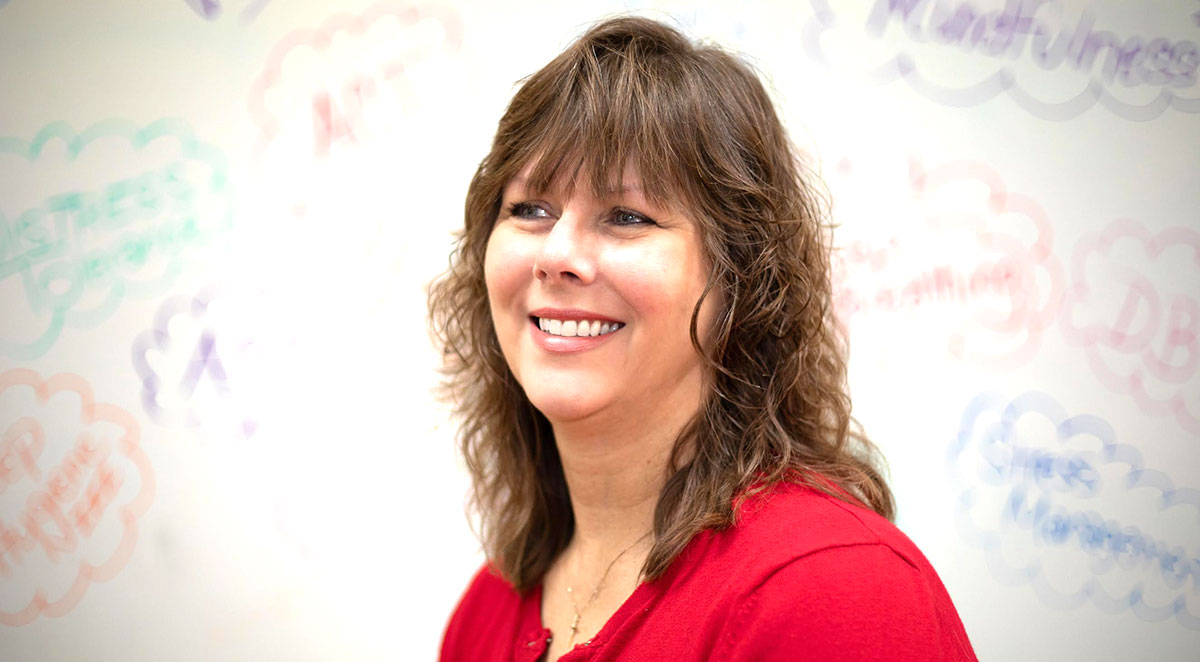
DeAnn Collins, MSW, LCSW, behavioral services clinical manager at Health First, says AI can help support mental wellness, but professional care remains essential.
For example, someone struggling with insomnia could use AI to maintain a detailed sleep journal. By recording sleep quality, daily habits and mood over several months, AI could help identify patterns that may otherwise be forgotten.
“We don’t always remember things accurately over long periods of time,” Collins said. “AI could help summarize trends and give you an objective timeline to share with your healthcare provider.”
Likewise, people experiencing depression often use a treatment strategy called behavioral activation, which encourages them to engage in activities that improve mood.
“If someone tracked their daily activities and noted which ones brought them joy, AI could help summarize those patterns,” Collins explained. “It might show you the activities that consistently improve your mood, giving you another tool to discuss during therapy.”
The danger arises when AI becomes someone’s primary source of emotional support.
People experiencing depression, anxiety or loneliness may find it easier to talk to a chatbot than another person, Collins said. Unlike human relationships, AI is always available, never appears judgmental, and provides immediate responses.
“For someone who’s struggling, it can feel like a safe space,” she said. “But it’s important to remember there’s not a person on the other end. It’s an algorithm.”
Unlike trained therapists, AI cannot recognize subtle warning signs that someone is struggling emotionally. It cannot observe body language, changes in appearance, tone of voice, or other nonverbal cues that clinicians rely on during treatment.
“A therapist gets to know what you look like when you’re doing well,” Collins said. “They notice when something changes. They can challenge distorted thinking in a way that’s appropriate. AI can’t do that.”
She also worries that people may begin developing emotional attachments to chatbots or place too much trust in their responses.
One of Collins’ biggest concerns is that AI often reinforces rather than challenges a person’s thinking.
“In therapy, we sometimes need someone to say, ‘Let’s slow down. Is there another way to look at this?'” she said. “That’s part of helping someone grow.”
While AI may offer supportive responses, Collins said meaningful progress often comes from compassionate accountability, something that requires human judgment, empathy and clinical expertise.
“The chatbot isn’t going to recognize when you’re avoiding difficult emotions or when your thinking has become distorted,” she said. “A therapist can.”
She also noted that licensed mental health professionals have ethical and legal responsibilities that differ from those of AI platforms. While many AI services now include crisis resources and safety responses, they are not a substitute for professional clinical care.
“If someone tells a therapist they’re thinking about harming themselves, we have an obligation to intervene and help keep that person safe,” Collins said.
Collins understands why some people turn to AI. Access to behavioral health services continues to be a challenge across the country, particularly as insurance coverage changes and costs increase.
“People are looking for support wherever they can find it,” she said.
Health First has worked to reduce those barriers through its Collaborative Care program which is now offered through all Health First Medical Groups, which integrates behavioral health services into primary care practices.
Patients referred by participating primary care providers can often meet quickly with one of Health First’s behavioral care managers, either in person or through virtual visits.
“We’re trying to meet patients where they are,” Collins said. “Whether they live across the county or prefer virtual appointments, we’re looking for ways to get people connected sooner.”
Ultimately, Collins believes AI has a place in healthcare when used thoughtfully.
“It can help organize information, summarize your progress and even introduce coping strategies,” she said. “But it should always be viewed as a tool, not a substitute for real human connection.”
Her advice is simple. Use AI with awareness, moderation and healthy skepticism.
“The relationship you build with a therapist is something technology can’t replace,” Collins said. “Human connection, empathy and professional judgment remain essential parts of mental healthcare.”
If you or someone you know is experiencing a mental health crisis, help is available. Call 911 if there is an immediate danger, or call or text the 988 Suicide & Crisis Lifeline for immediate support. You can also contact 211 to find local mental health and community resources.