Florida Highway Patrol Troopers May Enforce Immigration Laws Under Gov. DeSantis’ New Plan
By Space Coast Daily // February 7, 2025
Gives state troopers and state law enforcement federal powers to enforce immigration laws
WATCH: Florida Governor Ron DeSantis has signed an agreement that could authorize Florida Highway Patrol officers to perform duties typically handled by federal immigration officials.
Gov. DeSantis signs agreement deputizing Florida Highway Patrol troopers to perform functions of immigration officers
TALLAHASSEE, FLORIDA – Florida Governor Ron DeSantis has signed an agreement that could authorize Florida Highway Patrol officers to perform duties typically handled by federal immigration officials.
DeSantis was in Titusville on January 29 and strongly criticized the newly passed immigration reform bill during a press conference with Brevard County Sheriff Wayne Ivey in Titusville on Wednesday.
According to a statement from the governor’s office, these talks focused on potential legislative measures to support federal efforts addressing the issue.
As part of this initiative, DeSantis signed a memorandum of understanding between FHP and U.S. Immigration and Customs Enforcement (ICE). This agreement grants state troopers the ability to enforce immigration laws.
Dave Kerner, Executive Director of the Florida Department of Highway Safety and Motor Vehicles, stated, “Governor DeSantis recognizes the importance of law enforcement and aims to implement the strongest immigration laws possible. This will empower officers to take action and deport those residing in the state unlawfully.”
WATCH: Florida Gov. Ron DeSantis was in Titusville with Brevard County Sheriff Wayne Ivey on Wednesday for a press conference regarding illegal immigration enforcement.

The memorandum comes amid DeSantis’ criticism of a newly passed immigration reform bill by the state legislature. He argued that the legislation fails to meet expectations and does not provide adequate enforcement measures.
The governor has advocated for stricter enforcement measures, including requiring local governments to participate in federal deportation programs. He also proposed the authority to suspend officials who do not comply.
Additionally, DeSantis supports criminal penalties for illegal entry into the U.S. and mandates that individuals provide identification and immigration status before sending remittances abroad.
Some of the key immigration-related proposals include:
■ Implementing the death penalty for undocumented individuals convicted of capital offenses
■ Imposing stricter sentences on gang members who are in the country illegally
■ Expanding intelligence-sharing among law enforcement agencies
■ Strengthening laws to prevent sanctuary jurisdictions
■ Providing financial incentives for officers assisting with ICE operations
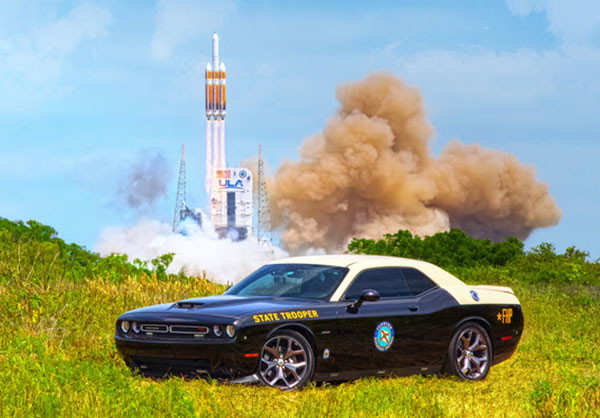
The Florida Highway Patrol was established in 1939 when then Governor Fred P. Cone, a member of the Executive Board of the Department of Public Safety, made a motion to establish the Florida Highway Patrol.
Under the direction of Director Reid and (then) Captain Kirkman, the first training academy was held in Bradenton with 40 students. This class graduated 32 members, and by the end of 1940 (the first full year of operation), FHP had 59 patrolmen.
In that first year, they patrolled 1,938,564 miles of roadway and investigated 1,000 crashes. Today, FHP patrols over 43,200,000 miles and investigates over 176,000 crashes annually.
Florida had less than two million residents in 1939, while today, Florida has over 21.5 million. Additionally, Florida has an estimated 137 million visitors to our state each year.
The Florida Highway Patrol is authorized for 1,982 sworn positions and 503 non-sworn positions for 2,485 full-time employees. The majority of those sworn positions are assigned to Patrol Operations.
In addition to Patrol Operations, the Florida Highway Patrol has many specialized areas.
The Office of Commercial Vehicle Enforcement conducts data-driven enforcement and educational programs to improve the safety of commercial motor vehicles.
The Criminal Interdiction Unit consists of specially trained troopers strategically assigned throughout the state to interdict criminal activity.
The Bureau of Criminal Investigations and Intelligence includes specific programmatic areas related to organized crime, terrorism, domestic security, gangs, criminal interdiction, dignitary protection, critical infrastructure protection, and biometric recognition and analysis.
Additional specialized areas include recruitment, public affairs, honor guard, aviation, and more.
 Related Story:
HOT OFF THE PRESS! January 27, 2025 Space Coast Daily News – Brevard County’s Best Newspaper